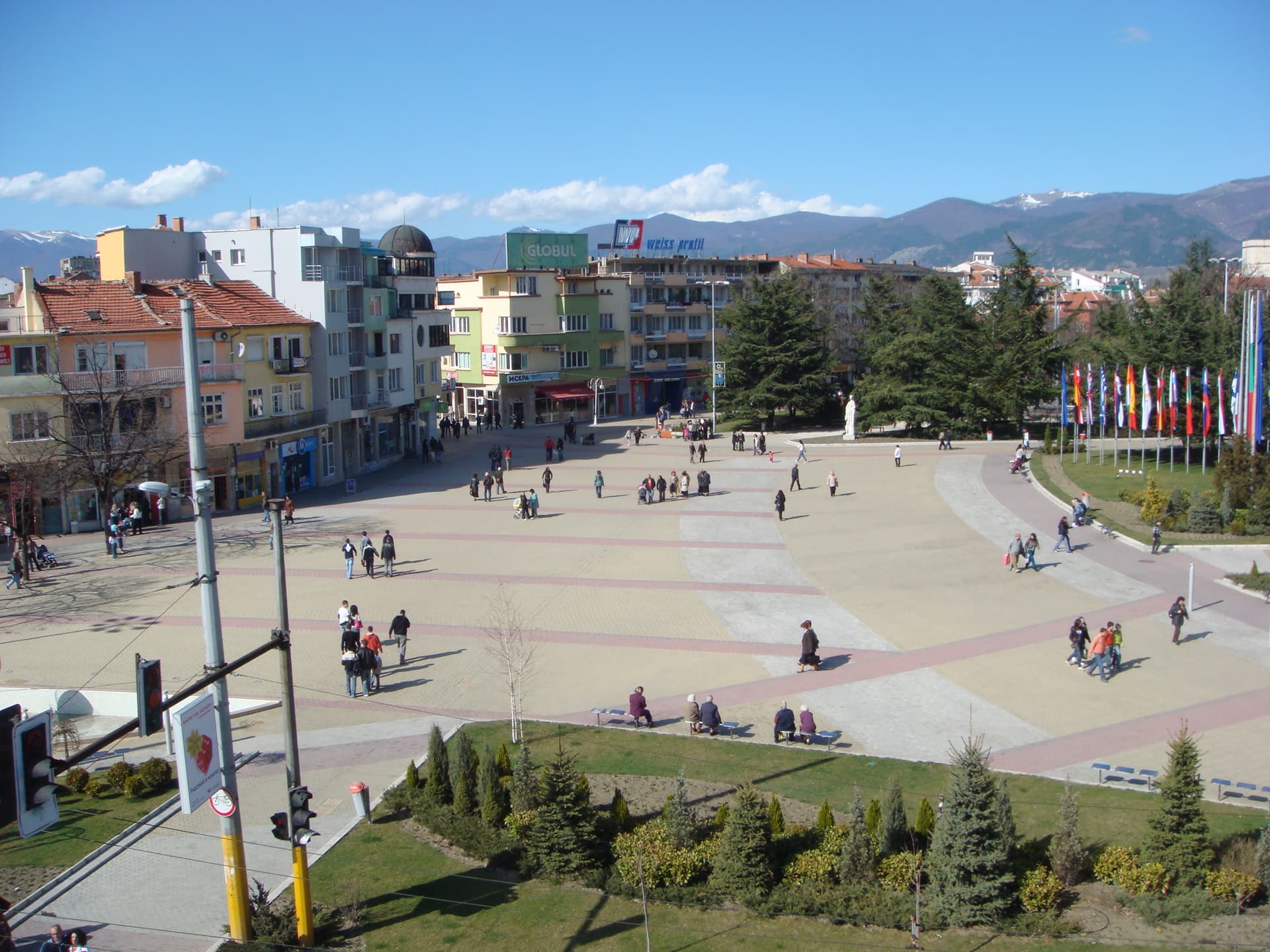
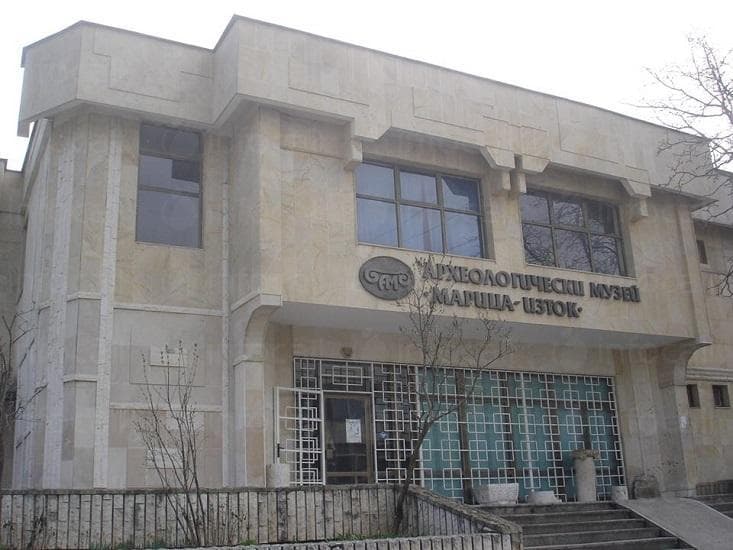
The Iskra Historical Museum in the city of Kazanlak ranks among the oldest, richest, and most famous regional museums in Bulgaria. Founded in 1901 by the patriotic local citizen Petar Topuzov, today the museum stands as a leading institution for preserving, researching, and promoting the vast cultural heritage of the Kazanlak region. The museums archive houses over 50 000 original exhibits reflecting the material and spiritual culture of the area from deep antiquity to modern times.
The museum protects and manages all archaeological monuments in the region, including the magnificent Thracian tombs that earned the area its global reputation as the Valley of the Thracian Kings. Its treasures are organized across several specialized departments.
Main Departments and Museum Exhibitions
The archaeological collection traces human civilization through the Neolithic (New Stone Age), the Chalcolithic (Copper Age), and the Early Bronze Age. Visitors can explore:
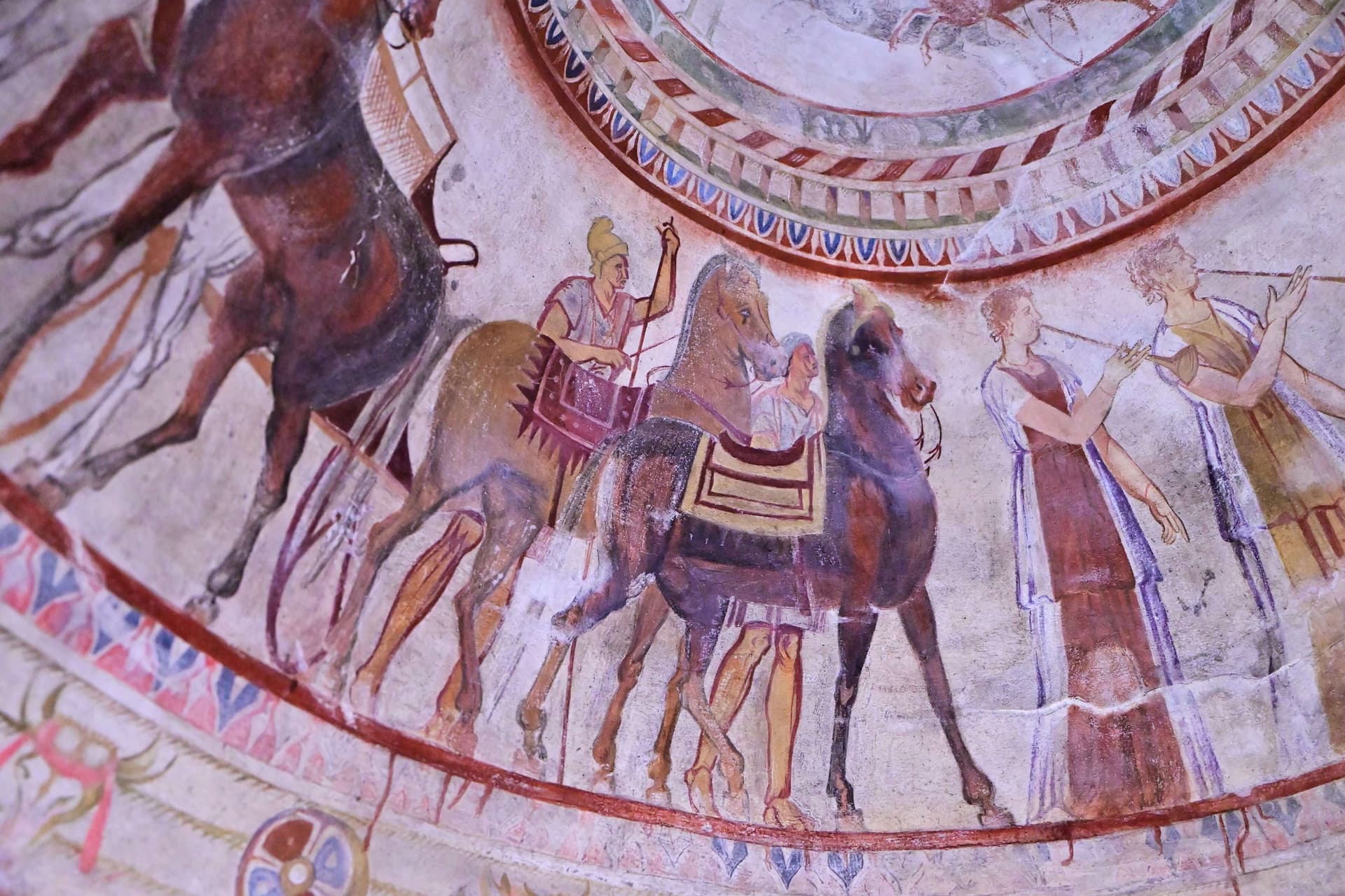
The department showcases findings from the extensive excavations of the ancient Thracian capital of Seuthopolis (studied between 1948 and 1956 during the construction of the Koprinka Reservoir), alongside artifacts from the world-famous Thracian Tomb of Kazanlak (discovered on April 19, 1944).
The specially secured Treasury Hall displays elite gold, silver, and bronze masterpieces discovered within the burial mounds near Kazanlak (such as Golyamata Kosmatka, the Maglizh Tomb, and others). The absolute highlight of the exhibition is the unique golden laurel wreath belonging to the Thracian king Seuthes III, alongside his bronze helmet, greaves, complete silver and gold horse trappings, and a premium collection of ancient coins.
This exhibition illustrates the traditional lifestyle, crafts, and culture of the local Bulgarian population during the 18th and 19th centuries. The ethnographic collection features exquisite traditional jewelry, authentic regional folk costumes, and everyday items that highlight the golden era of local craftsmanship and rose oil production.
This section covers the history of the city and its surrounding territory from 1889 to 1944. Highlights of great tourist interest include archival photographs, personal documents, medals, and orders from the conflicts of the 20th century. The museum proudly preserves invaluable musical assets, including the original score of the very first Bulgarian opera, Siromahkinya, composed by Emanuil Manolov (premiered in Kazanlak in 1900), as well as original music sheets by another legendary Bulgarian composer, Academician Petko Staynov.
This exposition focuses on the recent history of the valley and honors the participation of the legendary 23rd Shipka Infantry Regiment in World War II. Visitors can also explore a detailed photographic display documenting the massive engineering and construction history of the Koprinka Dam, located just 7 km from the city of Kazanlak.
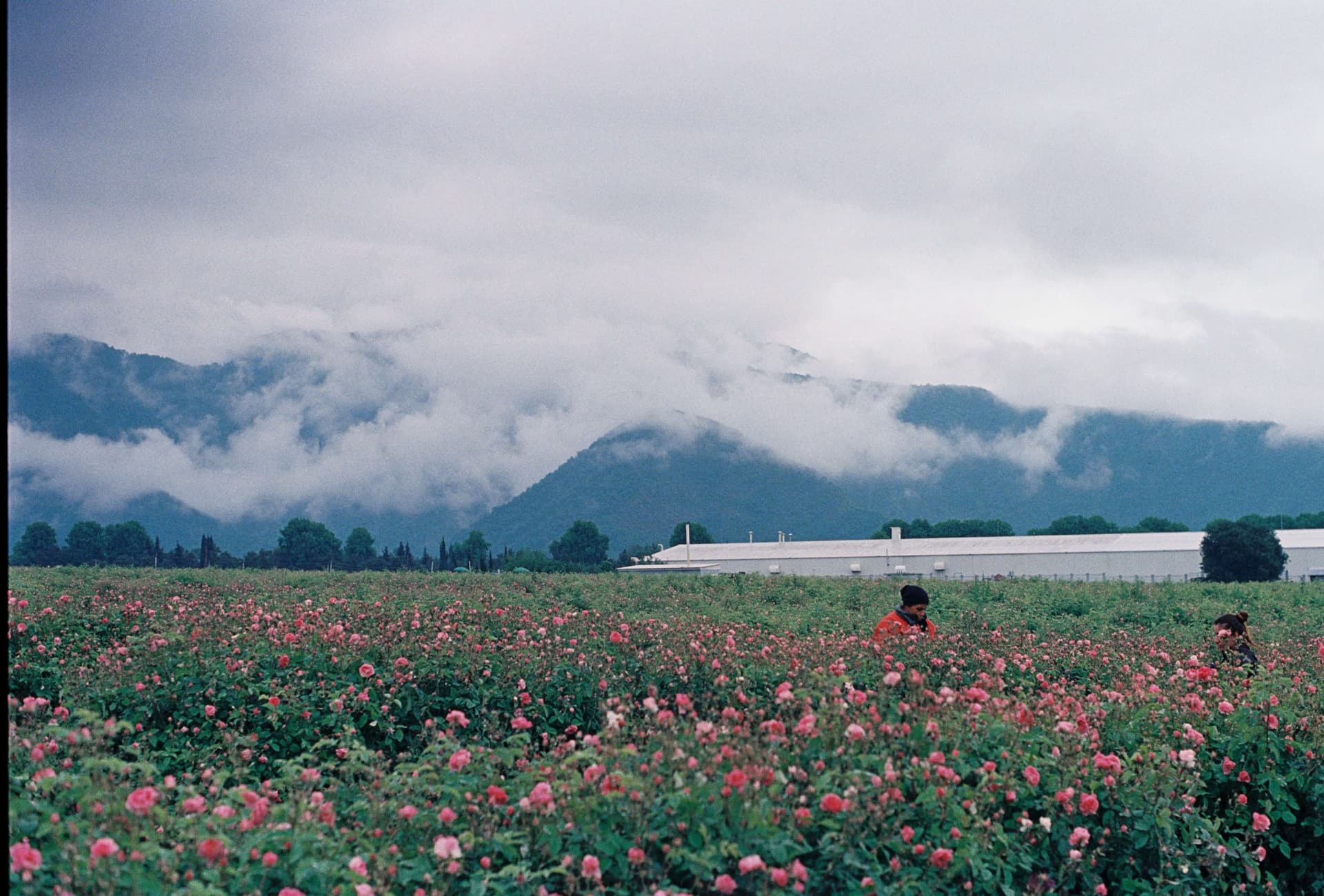
Plan your trip to Kazanlak and the Rose Valley. Discover the flexible dates for the Rose Festival, the unique Rose Museum, Mount Shipka, and Buzludzha.
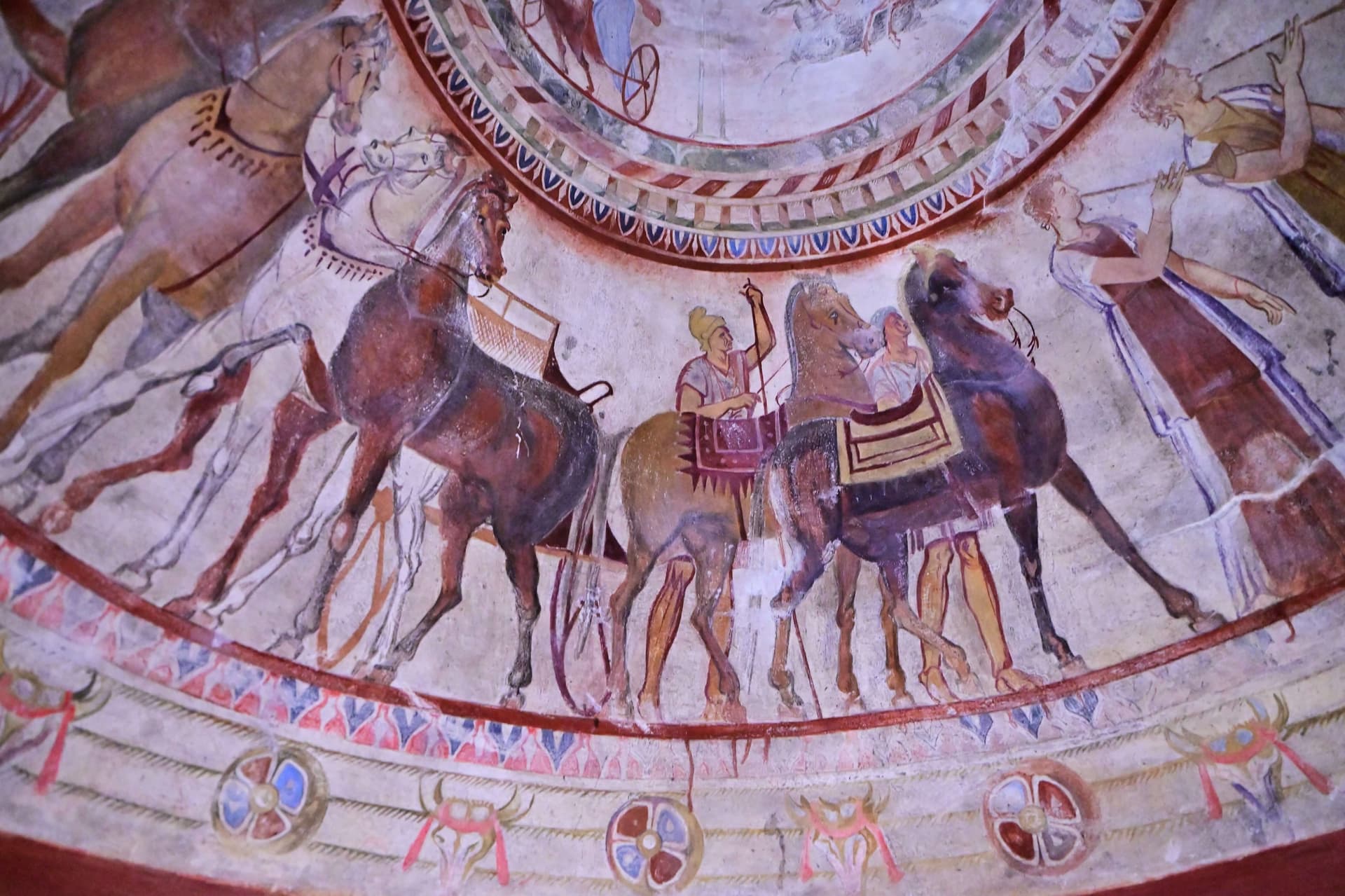
Explore the Valley of the Thracian Kings in Kazanlak: Discover the UNESCO Kazanlak Tomb, Golyama Kosmatka, the sunken city of Seuthopolis, and ancient gold treasures.
Iskra Historical Museum is located in Stara Zagora, Bulgaria.
Iskra Historical Museum is most easily reached by car. Use the coordinates above to navigate, or open the location in OpenStreetMap or your preferred maps app for turn-by-turn directions. Public transport options vary by region — for remote destinations a rental car gives the most flexibility.
Iskra Historical Museum can be visited year-round. Verify current opening hours directly with the museum before your visit, as schedules change seasonally and on public holidays.
Opening hours and admission fees vary, and most Bulgarian museums close one day per week (commonly Monday). Verify current schedules and prices directly with the museum or the local tourist information office before visiting Iskra Historical Museum, especially on public holidays.