


Boyana Church
The Boyana Church of Saint Nicholas and Saint Panteleimon, situated in the Sofia neighborhood of Boyana, stands as one of the most precious and world-renowned monuments of Bulgarian culture and history. This medieval temple owes its global prestige to its exceptional and perfectly preserved frescoes, recognized by art historians as a pinnacle of Eastern Orthodox art and an early forerunner of the European pre-Renaissance painting style.
Architectural Layout and Church Structure
The temple features a distinct three-part building layout, protecting invaluable artistic layers created across a broad historical timeline spanning from the 11th to the 17th century:
- The central hall (naos).
- The inner narthex.
- The entrance vestibule, positioned on the ground floor.
- The private chapel, located on the upper second floor of the building.
The largest surface area and highest artistic value belong to the brilliant painting layer completed in 1258 and 1259. Among the highlights within the shrine are the iconic donor portraits capturing Sebastocrator Kaloyan and his wife Desislava, alongside official portraits of the Bulgarian ruling family of that epoch - Tsar Konstantin Tikh Asen (who ruled from 1257 to 1277) and Tsarina Irina.
Archaeological Discoveries and Scientific Research
Scientific interest in the monument dates back to the mid-19th century, when the first formal archaeological descriptions were conducted by researchers Viktor Grigorovich, Stefan Verkovic, and Konstantin Jirecek. Between 1844 and 1847, the Russian scholar Viktor Grigorovich discovered two invaluable written records of the Bulgarian Middle Ages inside the church:
- The Boyana Roll (Boyanski Pomenik) of Bulgarian Tsars.
- The Boyana Palimpsest.
The first comprehensive study of the church lasted four years and concluded with the publication of a fundamental monograph in 1924. It was written by the prominent French archaeologist and Byzantinist Andre Grabar, who designated the Boyana Church as undeniably the most valuable monument of Old Bulgarian art.
Chronology of Conservation and Fresco Restoration
The technical condition of the historical building and its fragile wall paintings long worried generations of experts. Since the early 20th century, high humidity, the appearance of surface salts, and accumulated soot began covering and damaging the frescoes. The preservation of the temple passed through several critical restoration phases:
- Year 1912: Dr. Bogdan Filov, acting as the Director of the National Museum, commissioned the first professional restoration to the Austrian painter Joseph Bala.
- Years 1914-1915: Under the guidance of the same museum, the Bulgarian artist Marin Georgiev finalized the consolidation works initiated by the Austrian expert.
- Year 1934: A new urgent intervention became necessary, which was entrusted to the prominent Bulgarian professor Kiril Tsonev.
- Year 1944: The expert Karl Yordanov performed a comprehensive cleaning of the medieval frescoes.
- Year 1977: Due to structural deterioration, the Boyana Church was closed to public visits. Major conservation, architectural, and structural reinforcement works began, managed by the National Institute for Cultural Monuments. These operations were halted following extensive academic debates around the year 2000.
Following a highly complex and precise scientific restoration process, the Boyana Church officially reopened its doors to the public in 2006. Thanks to modern technologies, the 17th-century frescoes, painted directly over the older 12th-century layers, are now clearly visible. Among them is the oldest preserved historical portrait of Saint Ivan of Rila. The works of the mysterious Boyana Master are considered closely linked to the Palaeologan Renaissance style.
The Rescue of the Monument and the Royal Park
Situated immediately south of the church structure is the final resting place of Tsarina Eleonora of Bulgaria, the second wife of Tsar Ferdinand of Bulgaria. Tsarina Eleonora holds a vital historical role as the savior of the Boyana Church, personally intervening to prevent the historic structure from being demolished in the early 20th century by local residents who wished to build a larger parish temple. Furthermore, by direct royal initiative in the early 20th century, a park was developed around the church grounds, which today fascinates travelers with its soaring, majestic giant sequoia trees.
Conservation Status and International Tourism
The Boyana Church was formally declared a national antiquity and placed under strict state protection in 1927, remaining an active parish temple until 1954. In 1979, the monument received premier global recognition, being designated a UNESCO World Heritage Site under number 42. Since 2003, this cultural asset has operated as a specialized branch of the National History Museum in Sofia.
Today, it ranks among the absolute most visited landmarks in the Bulgarian capital, welcoming more than 200 000 domestic and foreign travelers annually. Currently, visitors can access the entire ground floor of the monument, which includes the naos, the narthex, and the entrance vestibule. The second-floor chapel remains closed to tourists due to long-term conservation activities.
Practical Information for Visitors
- Address of the facility: Sofia city, Boyana neighborhood, 3 Boyansko Ezero Street.
- Public Transport Access: The monument can be easily reached by taking bus number 64, dropping off at the Boyanskoto Hanche stop on Sborishte Square, or by taking bus number 65, which stops directly at the Boyana Church bus stop.
7-day forecast
Weather data from MET NorwayNearby Places

More to explore
Read more in our travel guides
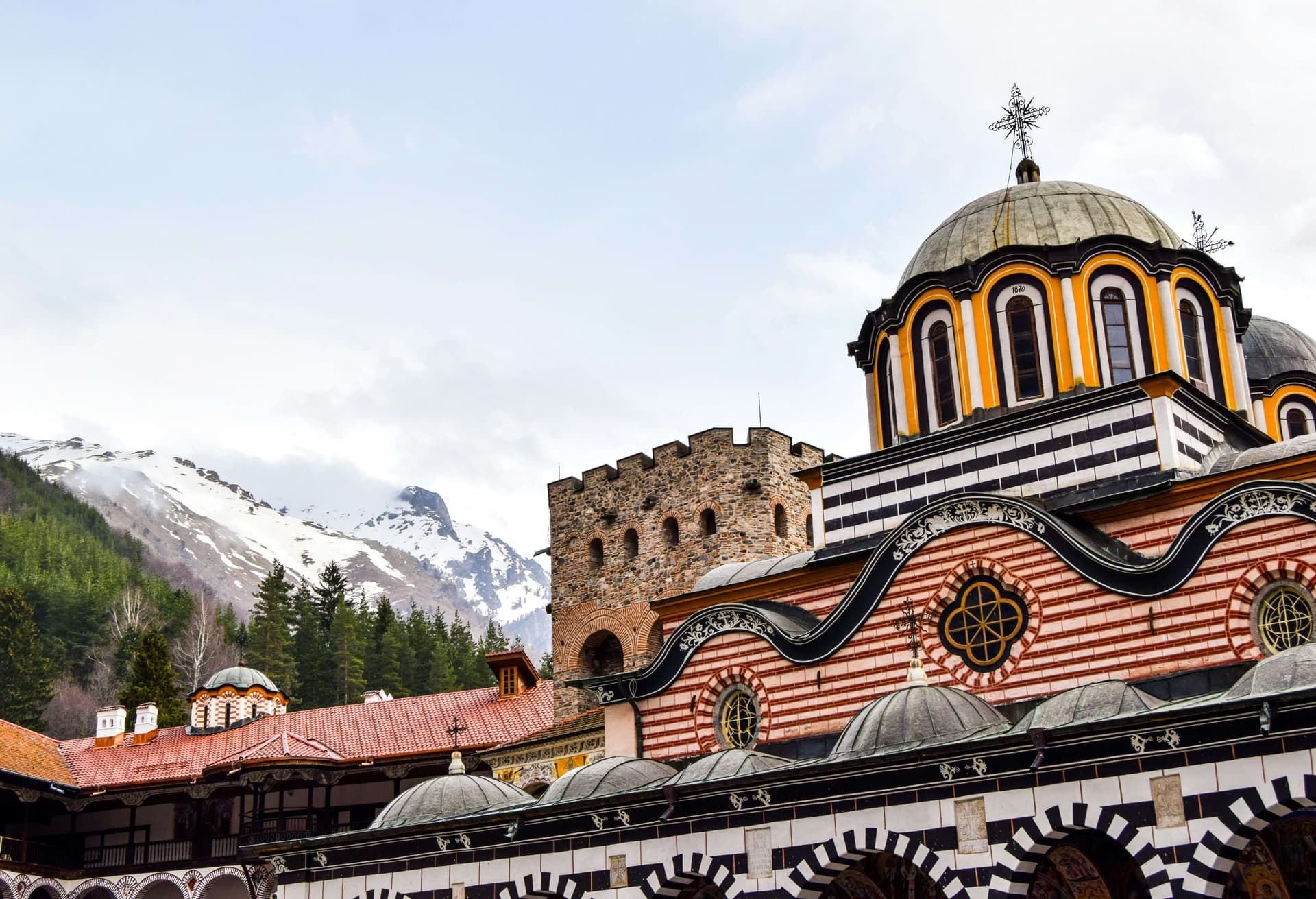
Best Day Trips from Sofia: 9 Great Escapes
The best day trips from Sofia: Rila Monastery, the Seven Rila Lakes, Vitosha, Koprivshtitsa, Plovdiv and more — with distances, travel times and how to go.
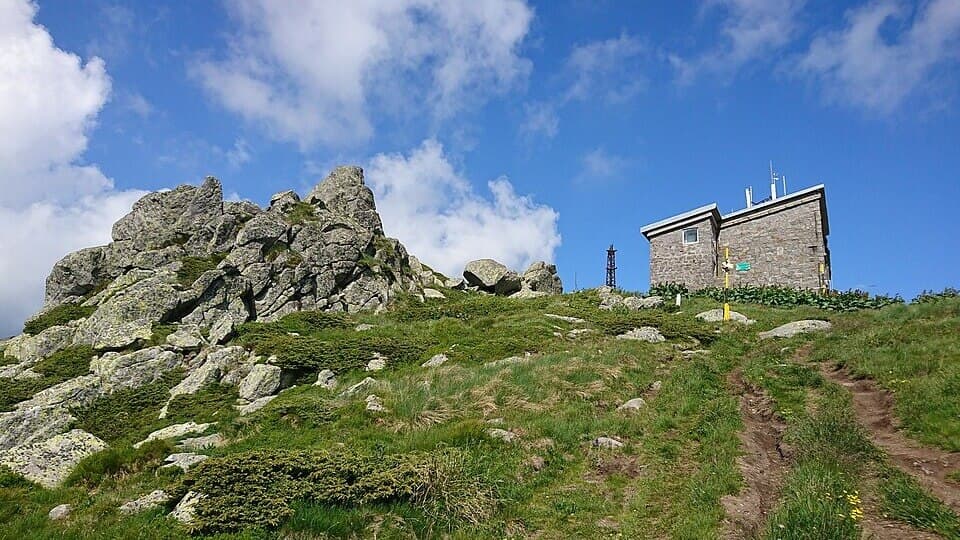
Cherni Vrah: Hiking Vitosha's Summit from Sofia
How to hike Cherni Vrah (2,290 m), the summit of Vitosha above Sofia — the route from Aleko, bus 66, the lifts that still run, difficulty, and season.
Rila Monastery: The Complete Day-Trip Guide from Sofia
Plan a day trip to Rila Monastery from Sofia: driving distances, parking, how long to spend, family tips, what to see, and where to stay overnight.
Frequently asked questions
Where is Boyana Church located?
Boyana Church is located in Sofia City, Bulgaria.
How do I get to Boyana Church?
Boyana Church is most easily reached by car. Use the coordinates above to navigate, or open the location in OpenStreetMap or your preferred maps app for turn-by-turn directions. Public transport options vary by region — for remote destinations a rental car gives the most flexibility.
What is the best time to visit Boyana Church?
Boyana Church can be visited year-round. Spring and autumn offer the most pleasant conditions for exploring, with mild temperatures and fewer crowds. Summer is ideal for photography and longer day trips; winter visits are possible but weather can limit access at some sites.
What should I know before visiting Boyana Church?
Most natural landmarks in Bulgaria are freely accessible and open year-round, though some sites have entrance fees or require a guide. Wear sturdy footwear and bring water, as the terrain can be uneven. Respect any protective barriers and stay on marked paths to preserve the site.