

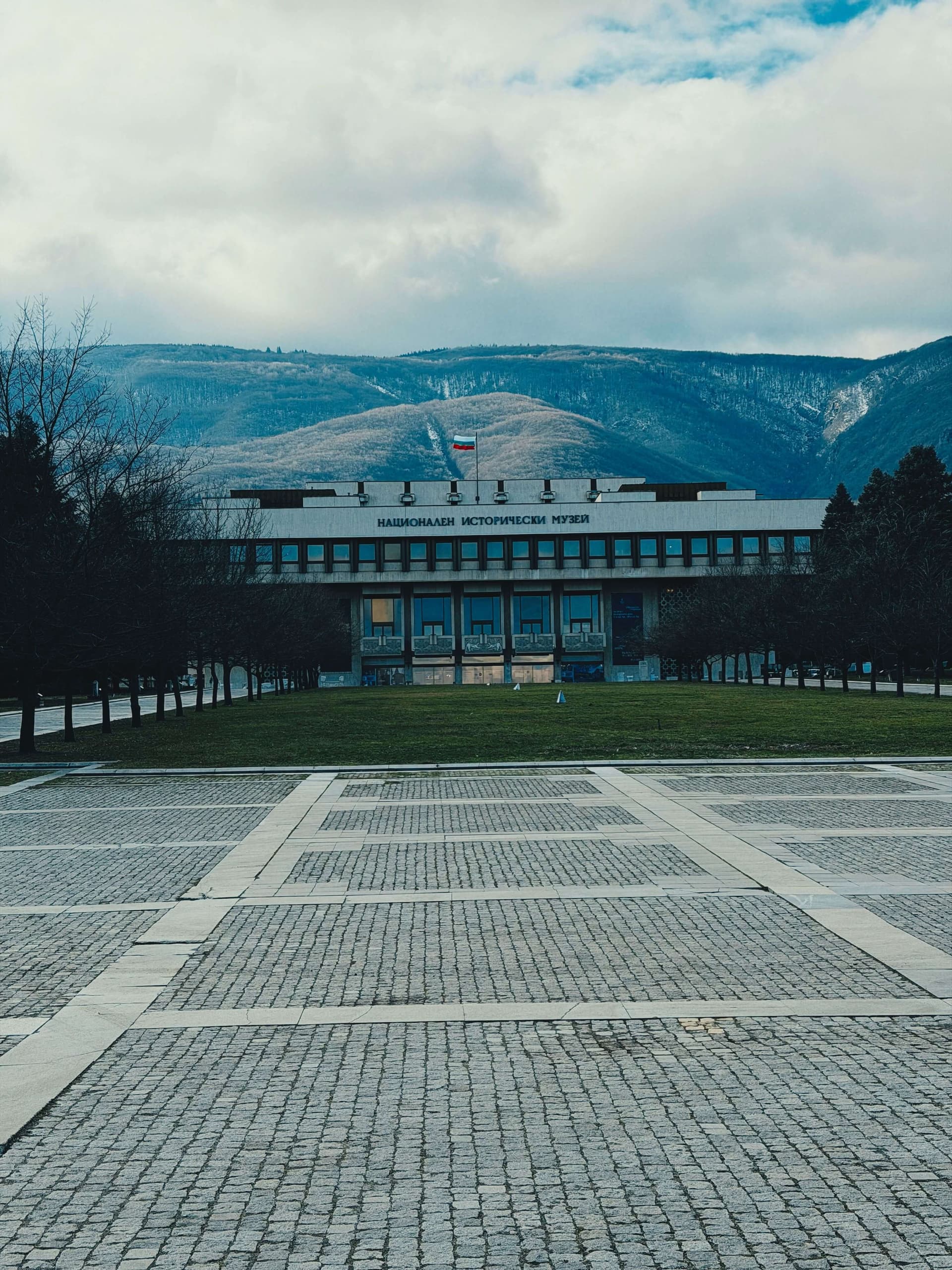
National History Museum
The National History Museum, widely recognized by its abbreviation NIM, is officially the largest, most prestigious, and extensive museum institution in Bulgaria. The institution holds a strategic position in preserving and showcasing historical memory, safeguarding priceless artifacts spanning from prehistoric eras to the contemporary history of the modern Bulgarian state.
Scale of the Collections and Scientific Fields of Research
The rich and unique collections of the National History Museum incorporate over 650 000 individual cultural monuments. These extensive funds are systematically organized chronologically and thematically across the following specialized historical periods and research fields:
- Prehistory: Encompassing the Neolithic, Paleolithic, and Eneolithic eras.
- Bronze Age: Artifacts representing the early, middle, and late Bronze Age cultures.
- Iron Age: The early and late Iron Age developments across Thracian lands.
- Antiquity: The Roman and Late Antique epochs, featuring the cultural height of ancient Thracian and Roman urban centers.
- The Middle Ages: Masterpieces from the First and Second Bulgarian Kingdoms, alongside the Byzantine historical period.
- Numismatics: A vast collection of ancient, medieval, and modern coins, currency notes, and medallions.
- Phaleristics: State orders, military decorations, civilian medals, and honorary awards.
- Jewelry and Goldsmithing: Invaluable ancient, medieval, and National Revival jewelry and gold ornaments.
- Military History: A wide assortment of bladed and firearms tracking different historical conflicts.
- Textiles and Ethnography: Domestic fabrics, traditional embroidery work, historical military and official uniforms, urban fashion, accessories, and authentic regional folk costumes.
- Fine Arts: Prominent works of painting, applied arts, and fine sculptures.
- Christian Heritage: Sacred church art, including religious icons, intricate woodcarvings, and liturgical objects.
- Literary Heritage: Rare early printed materials, historical books, and manuscripts in Bulgarian and various foreign languages.
- National Revival Era: Original historical documentation, records, and photographs tracing the Bulgarian National Revival.
- Modern History: Administrative documents, photographs, and periodic press published between 1878 and 1944, complemented by items capturing the latest contemporary history of Bulgaria.
- Daily Life and Production: Traditional work tools, domestic household items, vintage furniture, posters, historical geographic maps, and authentic samples of early industrial manufacturing.
- Archives: A valuable library of cinema, photo, and audio recordings tracking the country's transformation.
- Philately: A comprehensive state collection of historical postage stamps.
- Vexillology and Sphragistics: Historic battle flags, royal standards, heraldry items, and an elite collection of authentic seals.
During the 1900s, the National History Museum officially assumed the curation and scientific management of the collections belonging to the dissolved state institutions - the Museum of Bulgarian-Soviet Friendship and the National Museum of the Revolutionary Movement.
Structure of the Main Exhibition Halls
The main permanent exhibition of the museum is systematically laid out across spacious chronological galleries detailing the timeline of Bulgarian territories:
- Hall 1: Bulgarian lands from the beginning of the 6th millennium BC to the end of the 2nd millennium BC.
- Early Iron Age Hall: Covering the historical timeline from the 11th century BC to the middle of the 6th century BC.
- Hall 2: A specialized segment for the Early Iron Age spanning from the 11th century BC to the middle of the 6th century BC.
- Late Antiquity Hall: Displaying the cultural legacy of the Roman and Early Byzantine Empires across regional borders.
- Hall 3: The Bulgarian State in the Middle Ages, tracking the socio-cultural and political history from the 7th to the 14th century.
- Hall 4: Bulgarian lands under Ottoman Rule, encompassing the complex historical timeline from the 15th to the 19th century.
- Boyan Radev Donation Hall: An elite gallery showcasing art and historical items of significant cultural substance.
- Ethnography Hall: Presenting traditional Bulgarian folk culture, seasonal calendar celebrations, rituals, and regional folk attire.
- Hall 5: The History of the Third Bulgarian Kingdom, tracking the modern state timeline from 1879 to 1946.
- Hall 8: Dedicated entirely to the ancient Black Sea Greek colony of Apollonia Pontica.
- Antarctica - The Bulgarian Ice Tale Hall: A modern installation tracing Bulgarian research presence on the Frozen Continent.
- Numismatics Hall: The secure vault showcasing the museum's most prized ancient coin treasures.
- Anchors and Stocks Exhibition: A specialized open-air lapidarium tracking ancient maritime navigation and seafaring history.
Permanent Thematic Exhibitions
In addition to the main chronological galleries, the National History Museum operates several highly engaging permanent thematic collections:
- History of Costume and Fashion: Tracing the evolution of urban clothing and formal attire through different centuries.
- Cultural Values Saved by the Customs Agency: Formally opened in 2002, this collection features valuable ancient antiquities, icons, and coins rescued from illegal trafficking and handed over to the museum by state customs authorities.
- Boyan Radev Collection: An extensive personal archive featuring sports trophies, Olympic medals, world championship cups, and fine art pieces officially donated to the institution by the legendary Bulgarian athlete and art collector Boyan Radev.
- Antarctica - The Bulgarian Ice Tale: A specialized permanent exhibition launched in 2012 in partnership with the Bulgarian Antarctic Institute, highlighting the scientific milestones and history of Bulgarian expeditions based at Livingston Island.
7-day forecast
Weather data from MET NorwayNearby Places

Boyana Church
Sofia City region
1.2 km away
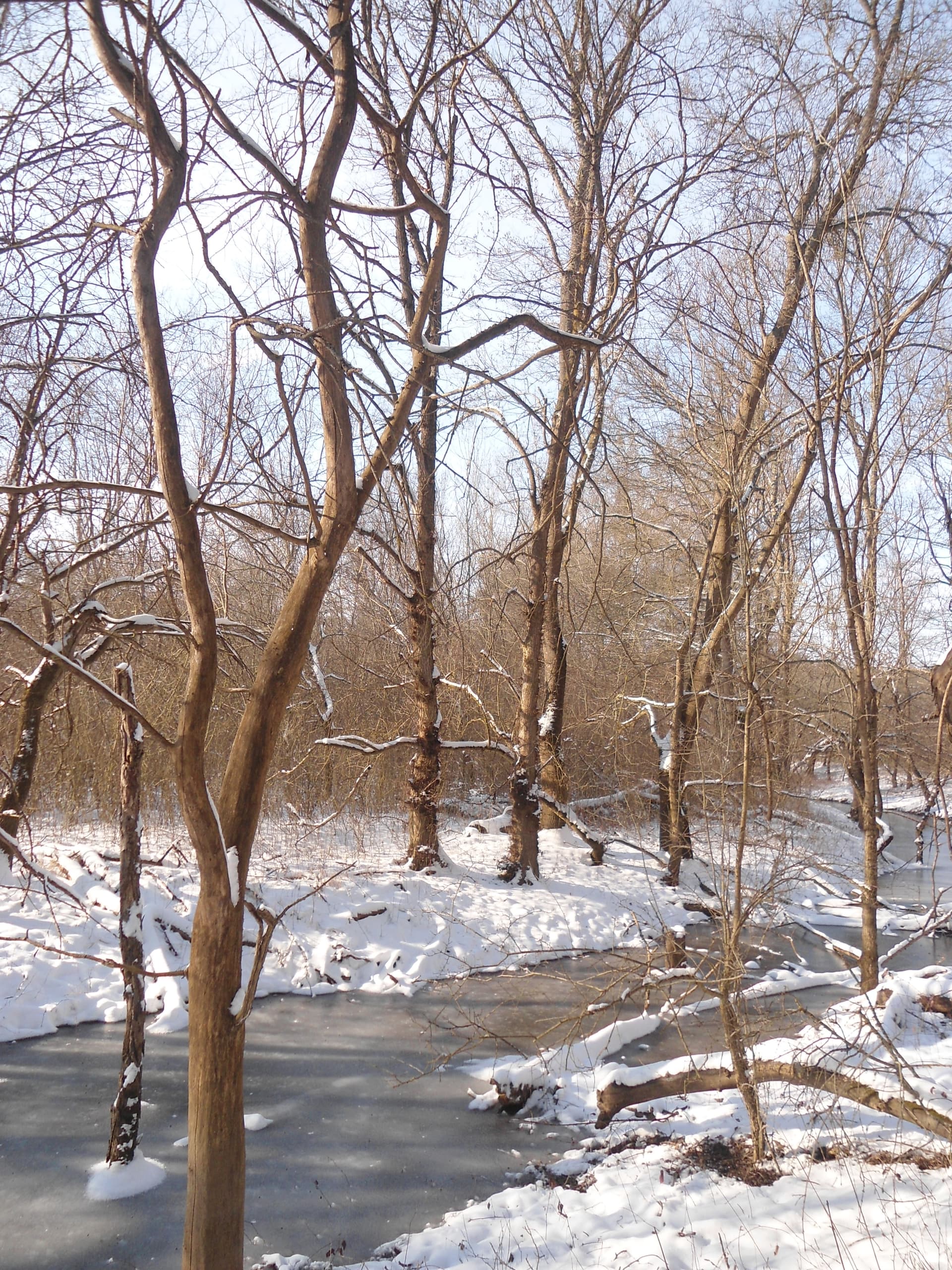
Balabana
Sofia City region
5.0 km away
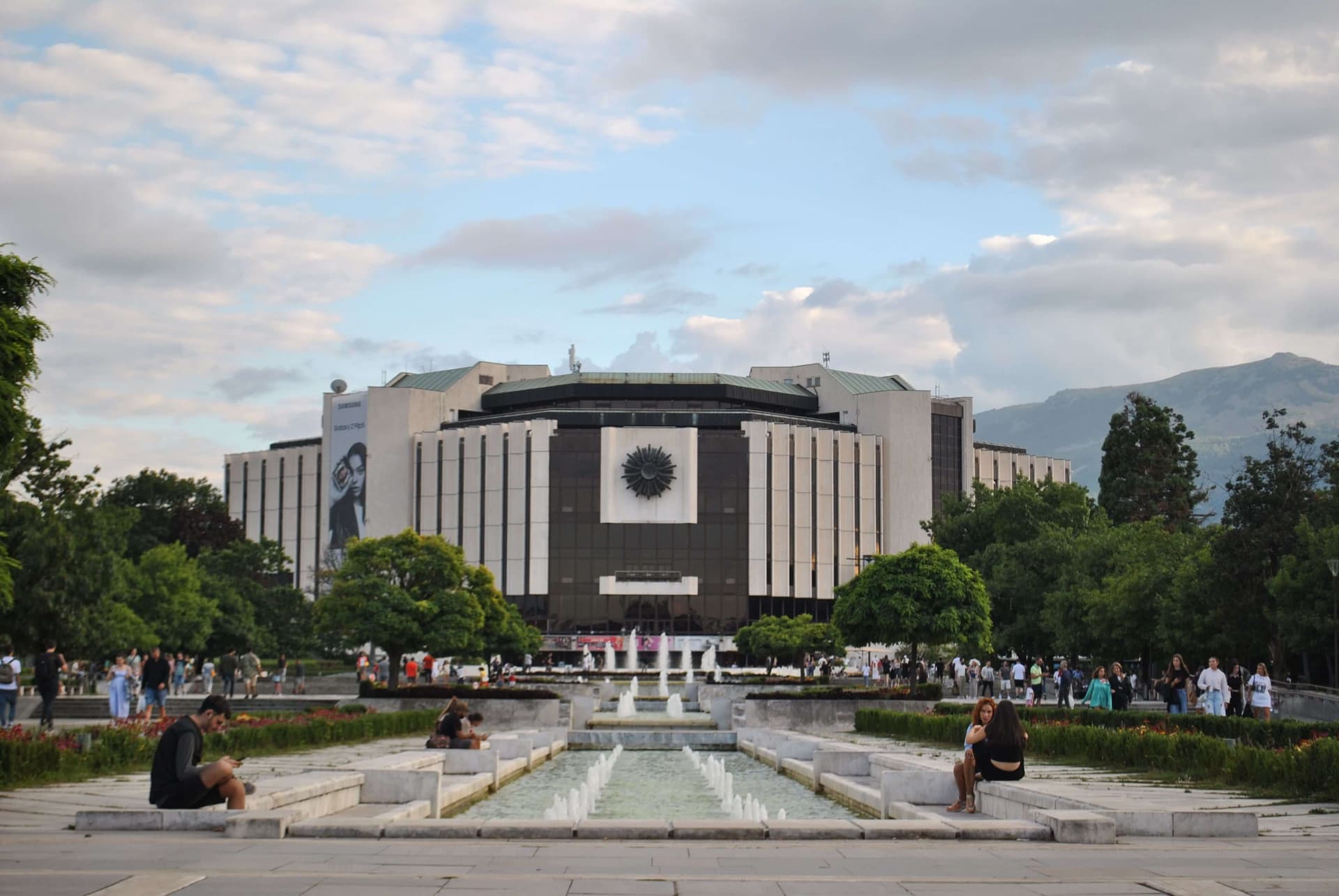

More to explore
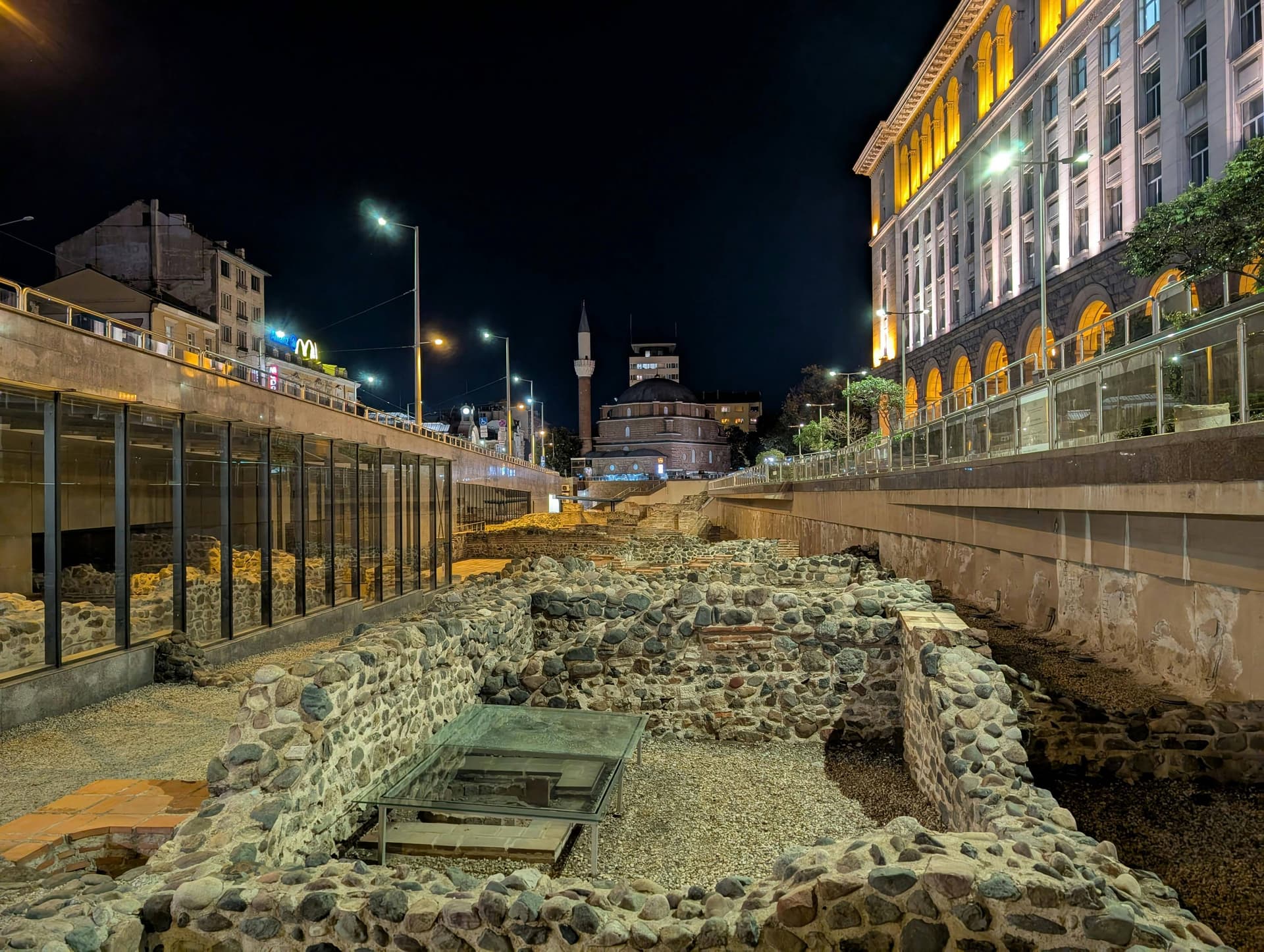
Read more in our travel guides
Frequently asked questions
Where is National History Museum located?
National History Museum is located in Sofia City, Bulgaria.
How do I get to National History Museum?
National History Museum is most easily reached by car. Use the coordinates above to navigate, or open the location in OpenStreetMap or your preferred maps app for turn-by-turn directions. Public transport options vary by region — for remote destinations a rental car gives the most flexibility.
What is the best time to visit National History Museum?
National History Museum can be visited year-round. Verify current opening hours directly with the museum before your visit, as schedules change seasonally and on public holidays.
What are the opening hours and entrance fee for National History Museum?
Opening hours and admission fees vary, and most Bulgarian museums close one day per week (commonly Monday). Verify current schedules and prices directly with the museum or the local tourist information office before visiting National History Museum, especially on public holidays.