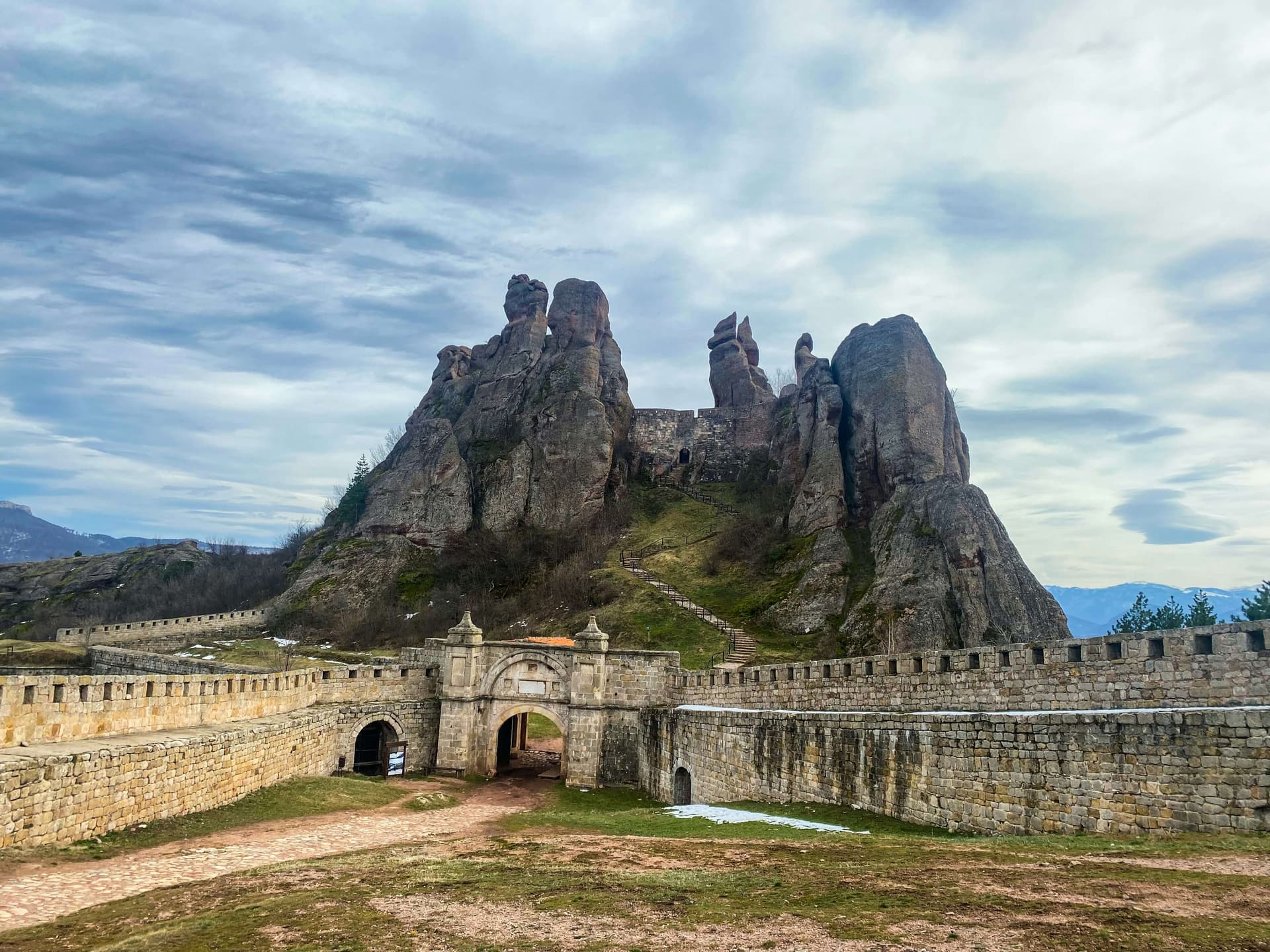
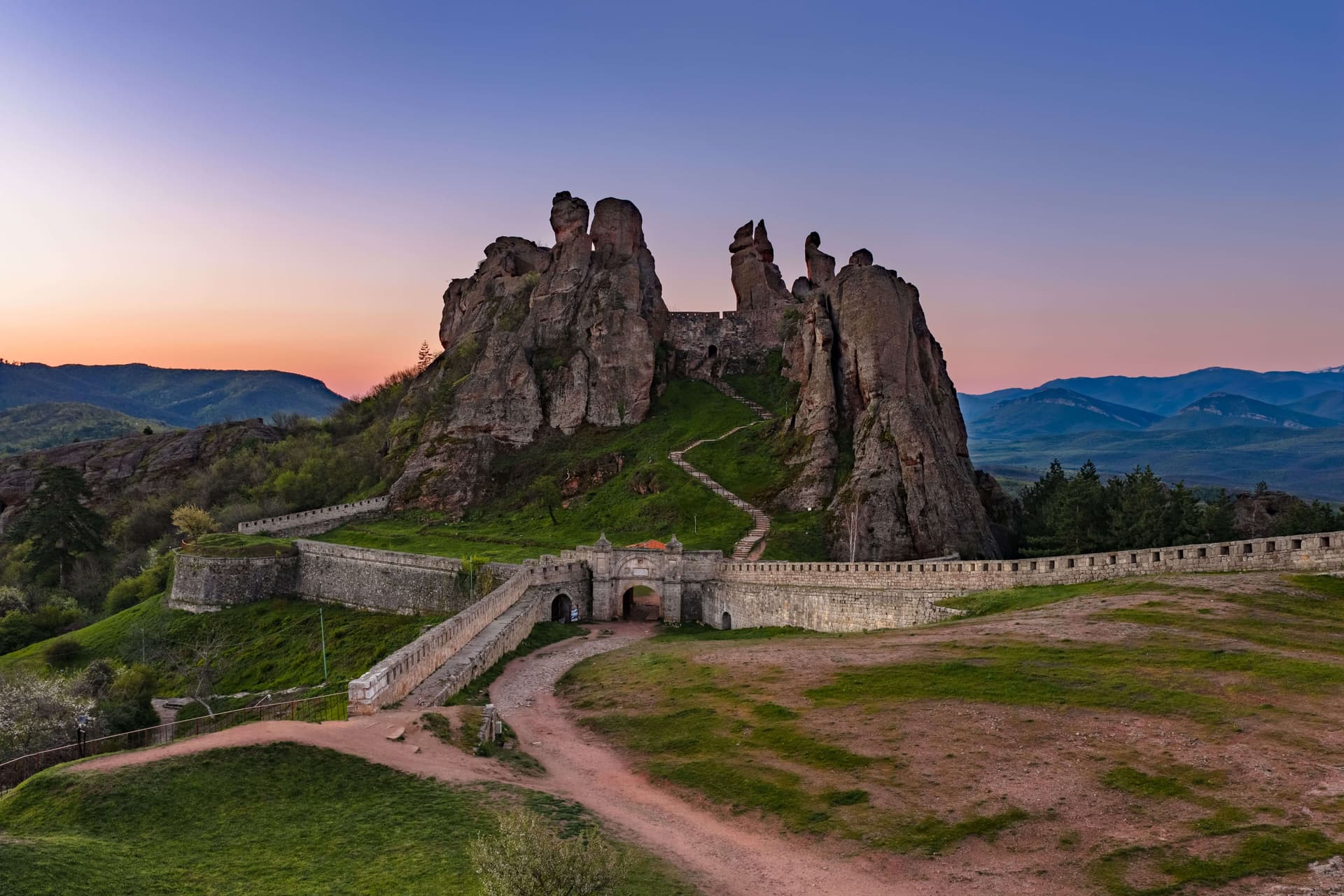
The Belogradchik Rocks are exceptional and world-renowned rock formations situated within the scenic territory of the Western Fore-Balkan. They rise majestically at the southern base of the Belogradchik Venets mountain ridge, surrounding the town of Belogradchik and the territories of the neighboring villages of Borovitsa, Chiflik, and Prauzhda in the Vidin Province, alongside the rural limits of Belotinci village in the Montana Province. Due to their outstanding ecological, scientific, and aesthetic value, the rocks were officially declared a protected natural landmark in 1949. The site is integrated under a designated honorary number into the prestigious list of the 100 National Tourist Sites compiled by the Bulgarian Tourist Union and is inscribed in the Red Data Book of the Republic of Bulgaria as a vulnerable natural habitat. Geographical Location and Spatial Parameters The Belogradchik Rocks comprise a monumental and complex system of rock groups, pinnacles, and isolated outcrops spanning immense dimensions. They are positioned strategically along the timeline of the Belogradchik geological fault in the Western Fore-Balkan, extending over a continuous length of 30 kilometers, with the width of the stone belt measuring from 3 to 5 kilometers. This natural complex is enclosed between the majestic Vedernik Peak, located in the matching Vedernik mountain ridge, and the outer edges of Belotinci village. These natural sculptures reach an impressive height of up to 200 meters at specific sectors. Their sculpting is a complex geological transformation that progressed across hundreds of millions of years. The structural mass consists predominantly of sedimentary rocks formed from fine sand and varying, often massive stone fragments that were densely coated and fused by specific calcareous sediments through ancient epochs. Geological Composition and the Secret of the Red Hue In scientific terms, the Belogradchik Rocks are fashioned from multi-colored Triassic sandstones and conglomerates. Research demonstrates that the natural binding matrix of these ancient sandstones is either argillaceous or quartz-based. The stone strata are exceptionally rich in natural hematite pigment, to whose chemical presence the characteristic rusty to deep dark red hue of the entire complex is directly attributed. The local conglomerates are composed of well-rounded stone fragments, polished by ancient waters, ranging in size from a small walnut to a human fist, tightly gathered within a sandy or clayey matrix. The stratification of the massif is massive, featuring thick, red-colored layers that occupy the central sector of the grand Belogradchik Anticline. The heavily fractured Triassic strata, which possess varying mechanical resistance against external weather forces, were subjected to continuous long-term weathering. This environmental process penetrated deeply along the vertical tectonic fissures over millions of years to sculpt today's fantastic shapes. Natural Sculpting and Biodiversity Profile Continuous erosion driven by flowing rainwater, surface winds, and sharp diurnal temperature variations has sculpted diverse shapes within the rock massif. These natural monuments strikingly resemble mythical entities, human silhouettes, exotic animals, and birds. Additional coloration across the cliffs is introduced by gray and cream-colored limestones that contrast beautifully with the red background. Sharp pinnacles, vertical stone faces, deep chasms, and majestic stone pillars enclose natural strongholds that were actively utilized by humans for military defense across centuries. Over 100 subterranean caves have developed within the soft sandstone and limestone layers. Due to the rugged terrain and the absence of deep fertile soil layers, vegetation along the rocky ridges remains sparsely developed. Nonetheless, the territory hosts highly precious and rare species of higher plants, including Aurinia saxatilis, Arenaria procera, Asplenium septentrionale, Campanula cervicaria, Carpinus orientalis, Cerastium arvense, Diplotaxis tenuifolia, Draba muralis, Festuca drymeja, Koeleria macrantha, Melica ciliata, Plantago coronopus, Scleranthus perennis, Sedum album, Sedum hispanicum, Sempervivum marmoreum, Jovibarba heuffelii, and wild Syringa vulgaris. Tourism and Regional Landmarks The Belogradchik Rocks operate as the primary and most popular tourist destination across the entirety of Northwestern Bulgaria. The region offers a developed infrastructure catering to ecological and cultural tourism, routinely visited in combination with the following key destinations: - The Town of Belogradchik: a cozy mountain town featuring a rich history and a refreshing alpine climate. - The Belogradchik Fortress: a famous medieval and Ottoman stronghold, widely known as Kaleto, which utilizes segments of the majestic cliffs as a natural, impregnable defensive wall. - The Magura Cave: situated near the village of Rabisha, globally celebrated across Europe for its unique prehistoric cave paintings executed with bat guano, alongside its massive galleries. - The Baba Vida Fortress: another key tourist attraction in the neighboring region is the medieval feudal castle-fortress of Baba Vida, located in the city of Vidin on the banks of the Danube River.
Vidin
1.2 km away
Vidin
1.4 km away
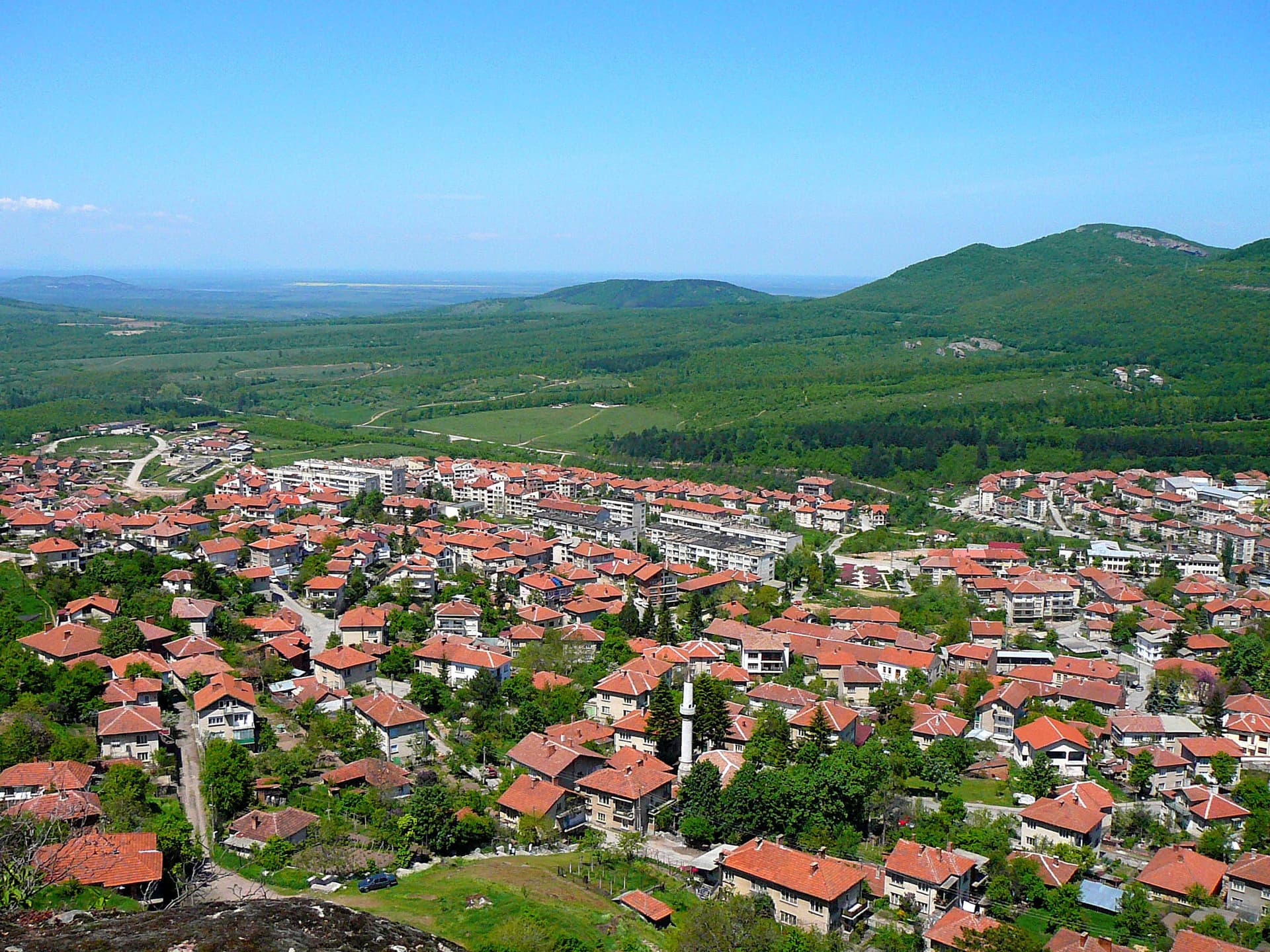
Vidin
1.7 km away

Vidin
1.7 km away
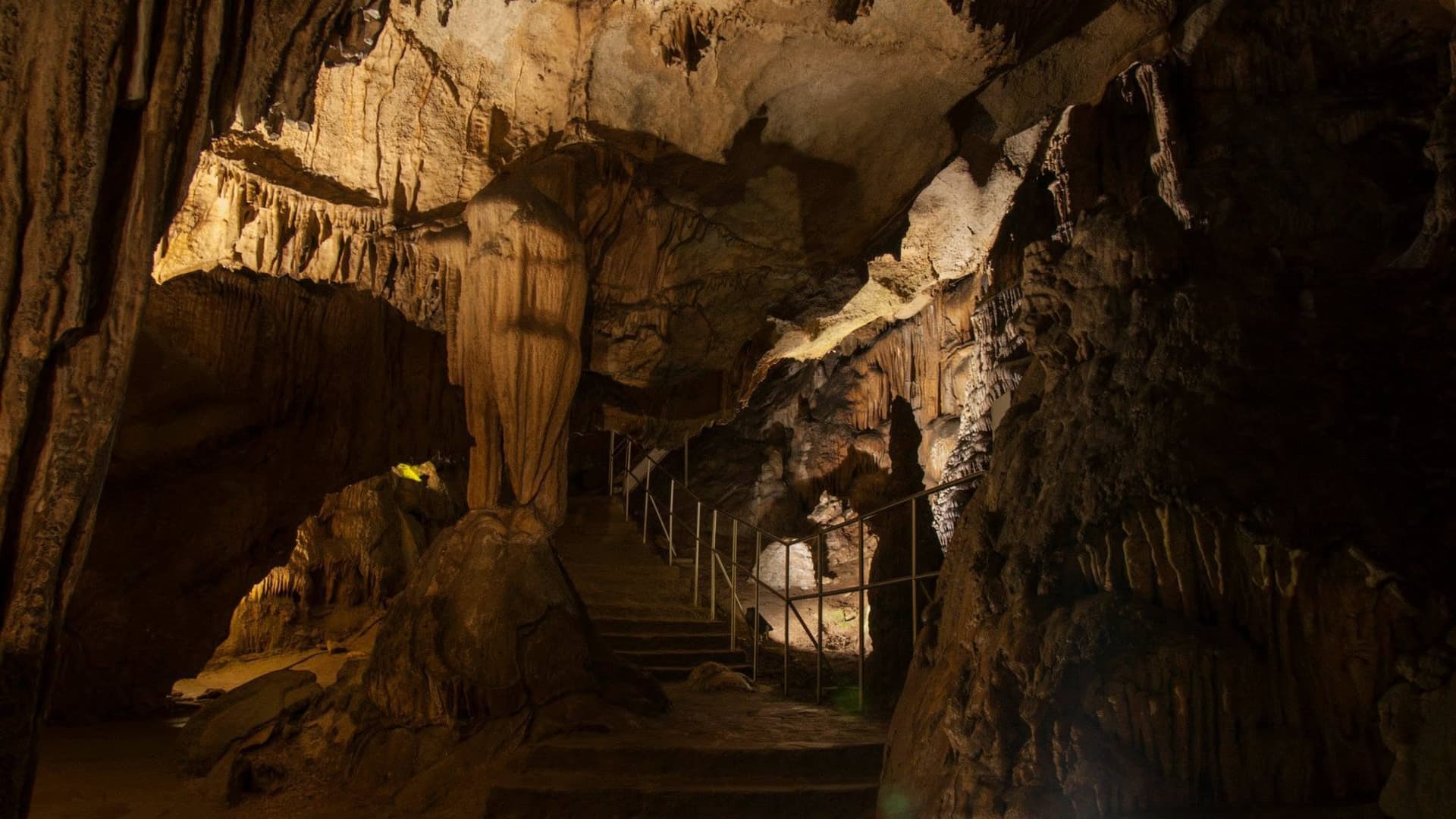
A guide to Bulgaria's show caves — Prohodna, Devetashka, the Devil's Throat, Ledenika, Bacho Kiro, Magura, Yagodina, Saeva Dupka and Snezhanka — with what each one is actually for and how to pair them.
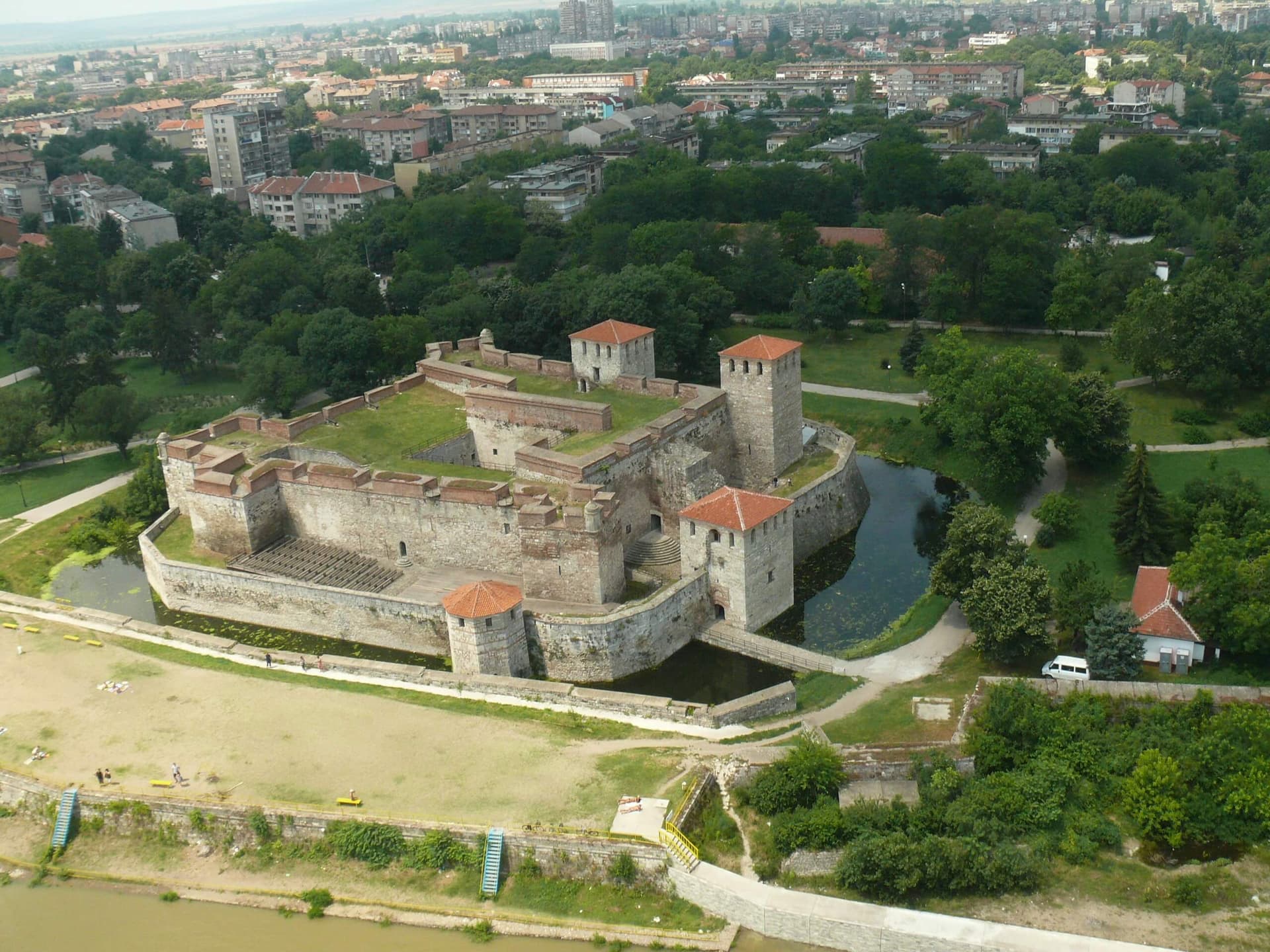
A complete travel guide to Vidin on the Danube: Explore Baba Vida castle, visit the restored Synagogue (Jules Pascin Center), and pair it with Belogradchik and Magura Cave.
A guide to the Belogradchik Rocks and Fortress: how to get there, what to see, the Magura Cave, parking, family tips, distances and where to stay.
Belogradchik Rocks is located in Vidin, Bulgaria.
Belogradchik Rocks is most easily reached by car. Use the coordinates above to navigate, or open the location in OpenStreetMap or your preferred maps app for turn-by-turn directions. Public transport options vary by region — for remote destinations a rental car gives the most flexibility.
Belogradchik Rocks can be visited year-round. Spring and autumn offer the most pleasant conditions for exploring, with mild temperatures and fewer crowds. Summer is ideal for photography and longer day trips; winter visits are possible but weather can limit access at some sites.
Most natural landmarks in Bulgaria are freely accessible and open year-round, though some sites have entrance fees or require a guide. Wear sturdy footwear and bring water, as the terrain can be uneven. Respect any protective barriers and stay on marked paths to preserve the site.