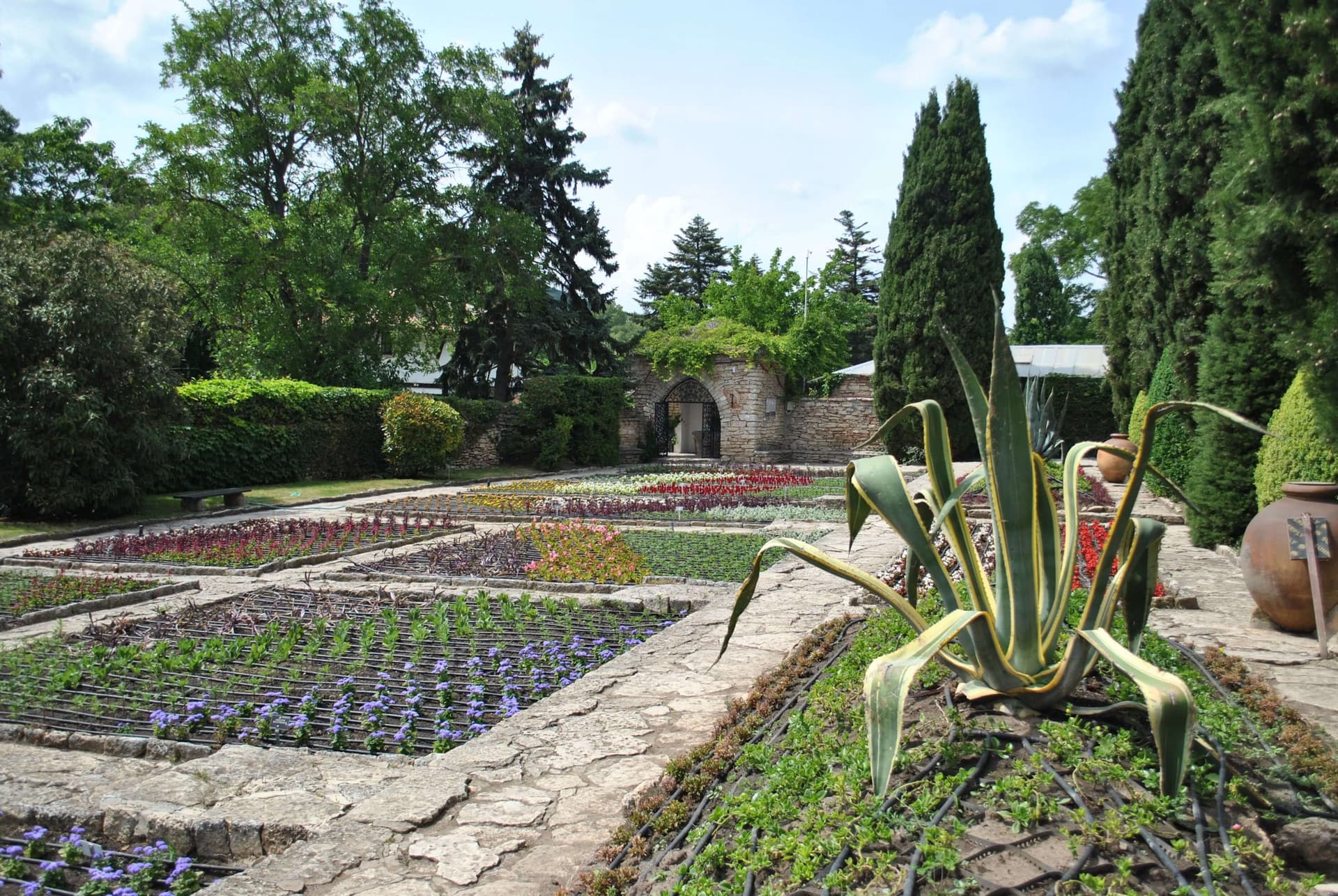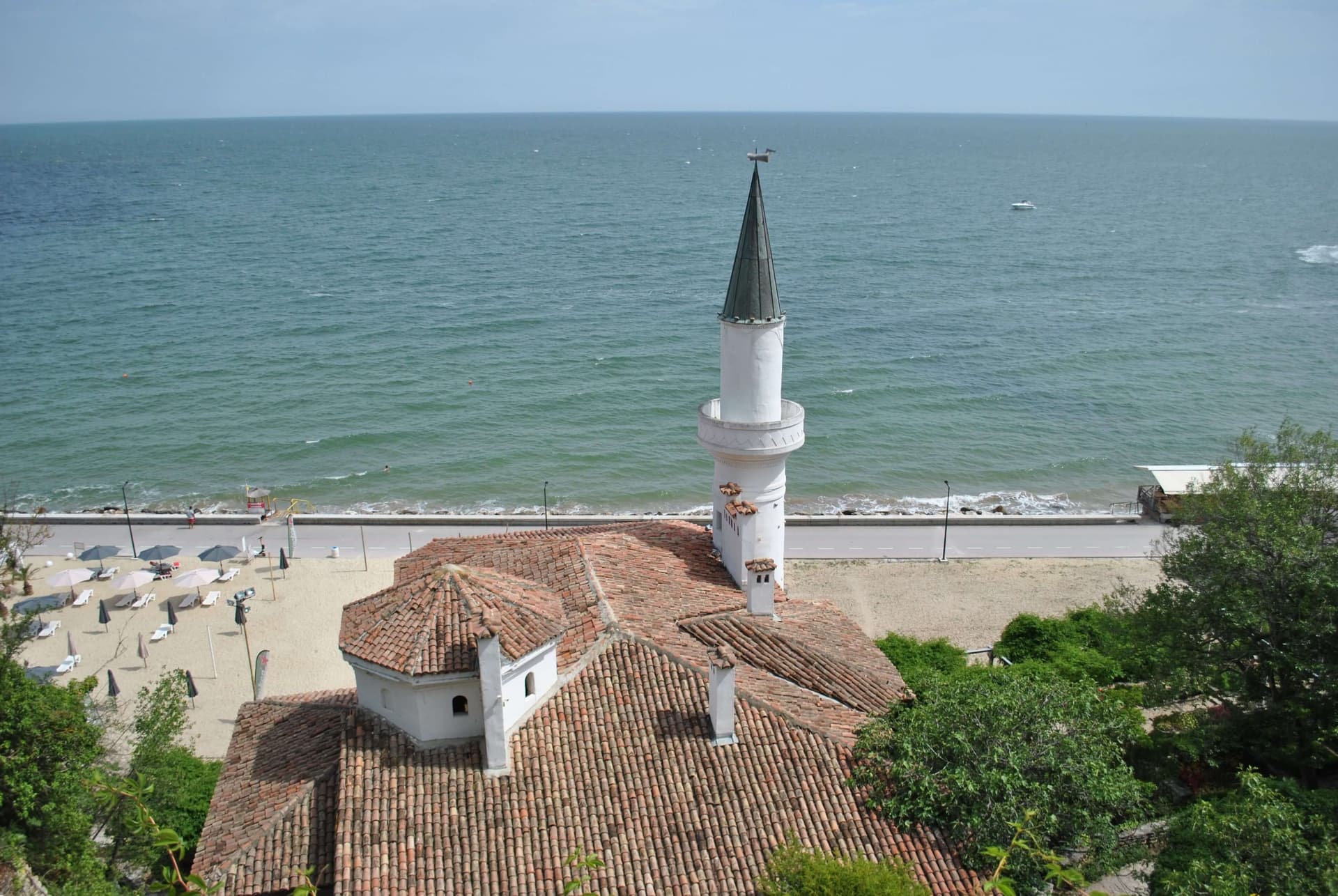
The Palace at Balchik is one of the most beautiful sites on Bulgaria's northern Black Sea coast and part of the Hundred National Tourist Sites. It lies about 2 km southwest of the centre of Balchik, spread across the steep shore directly above the sea — a complex of villas, gardens, terraces and paths descending in tiers to the water. It is a group cultural property of national significance — a monument of architecture and garden design. The complex comprises 46 buildings and 170 architectural, archaeological and historical park elements, managed by the state cultural institute "Cultural Centre The Palace" under the Ministry of Culture. Why it exists In the early 20th century the area southwest of Balchik was known as "The Three Watermills" and the state forest of Kulak. The name points to the site's greatest natural asset: the abundant, crystal-clear water of the Byal Kladenets and Chatal Cheshma springs, which ran through the small valley and turned the mill wheels. During the Second Balkan War, Romania broke the Saint Petersburg Protocol it had signed only months earlier and attacked Bulgaria from the rear. On 28 June 1913 its Dobrudzha army occupied, unopposed, the Bulgarian territories northeast of the Tutrakan–Balchik line. Queen Marie of Romania took to the new territory for its mild climate, warm sea and picturesque Balchik cliffs. But the choice of site for her residence was also political: marking the occupied land at its southernmost possible point. Under the Romanian Kingdom's agrarian reform law then in force, documents record that the queen received title to the land and buildings in 1935, noting that the price of the property and the associated fees had been paid in full. The holdings grew steadily — 209.8 decares by 1937 and 244.8 decares by 1938. The villa ensemble was built between 1924 and 1934, designed by the Italian architects Amerigo and Augustino. During the occupation many Romanian aristocrats and intellectuals bought plots in Balchik — among them the well-known painter Cecilia Cuțescu-Storck. They were frequent guests at the residence, which turned the Palace into a cultural hub. How it became Bulgarian On 7 September 1940 Tsar Boris III concluded the Treaty of Craiova with international backing, returning Balchik and the whole of Southern Dobrudzha to Bulgaria. The complex came within the country's borders covering 194 decares. In 1948 an interstate agreement transferred the site to Bulgarian management. By a decree of 30 August 1961 the Council of Ministers approved the purchase of Romanian-owned properties on Bulgarian territory, the former palace among them. In 1970 an agreement was signed transferring ownership of the entire site and all its buildings definitively to Bulgaria. From the 1980s onwards the Palace was developed as a visitor attraction and has been continuously maintained and restored since. What to see The architecture is deliberately eclectic, weaving together Old Bulgarian, Gothic, Oriental and Moorish elements. The approach road descends between two lines of stone walls and stops at the main entrance of the sentries' guardhouse. The best-known parts of the complex: - The Stella Maris chapel in the courtyard — the Palace's most recognisable silhouette. - The Divine Garden - The English Courtyard garden - The Garden with the Cruciform Water Mirror - The Gethsemane Garden - The Palace jetty and the yacht garages - The power house and the Bridge of Sighs - The Wine Alley and The Alley of the Centuries - The Hanging Terraces — the best sea view on the site - The tomb of Queen Marie Opening hours - Summer: 8:00 – 20:00, open every day - Winter: 9:00 – 17:00 The long summer hours are an underused opportunity: the best time to walk the grounds is late afternoon, once the heat drops and the light rakes across the terraces and the sea. Practical notes - Two hours is the minimum for the complex. Add the Botanical Garden next door and it becomes a half-day. - The ground is steep and terraced, with steps and sloping paths. Wear comfortable shoes; it isn't pushchair-friendly and is difficult for anyone with mobility problems. - The gardens offer shade, but the terraces above the sea are fully exposed — don't set out at midday in July or August. - Balchik Botanical Garden adjoins the complex and has a separate ticket. The two are done in one outing, and most people do exactly that. Nearby - Balchik Botanical Garden — home to one of the largest cactus collections in Europe. - Balchik — the seafront promenade and old town, 2 km away. - Albena — 8 km away. - Cape Kaliakra — around half an hour's drive north.
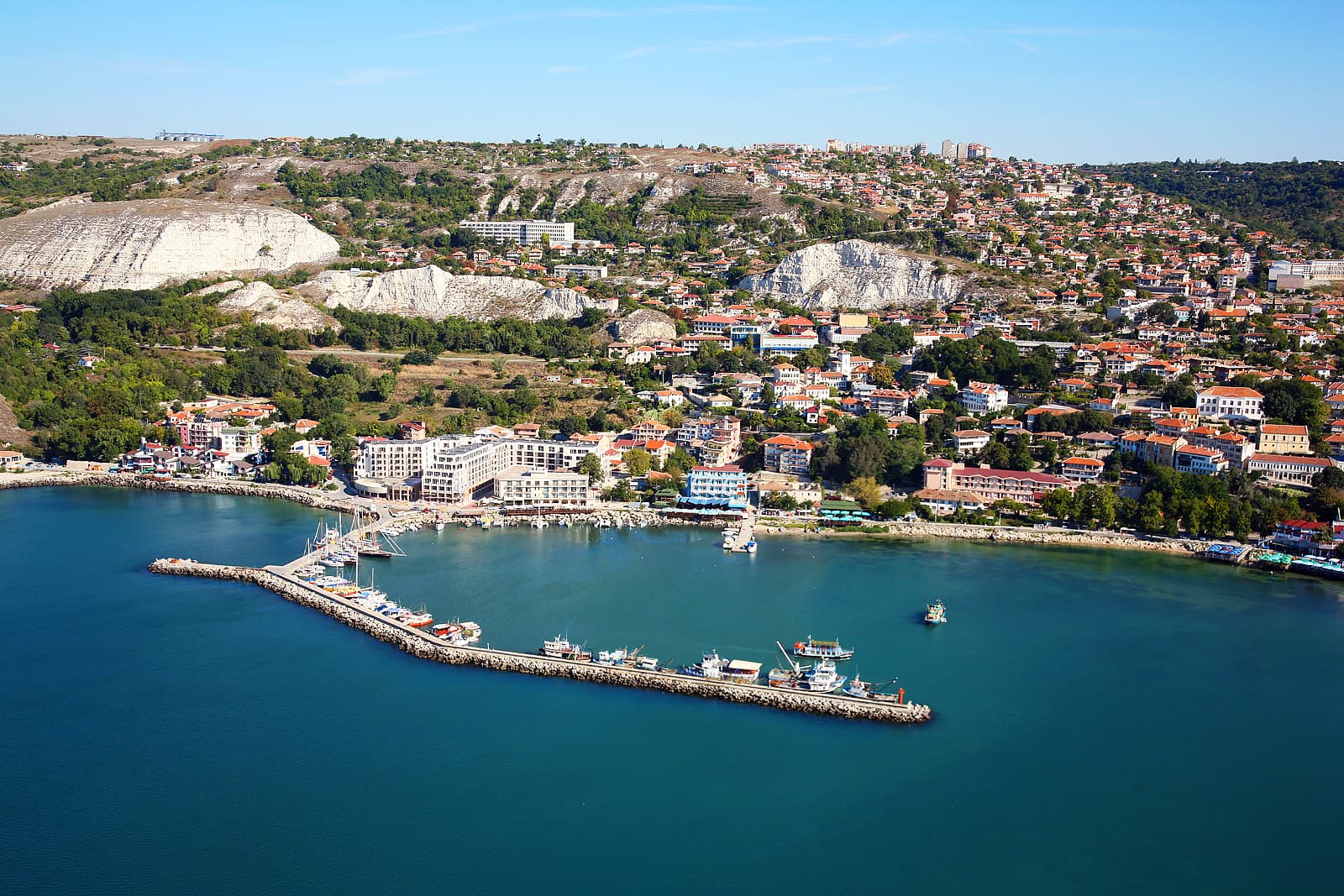
Dobrich
1.7 km away

Dobrich
7.0 km away
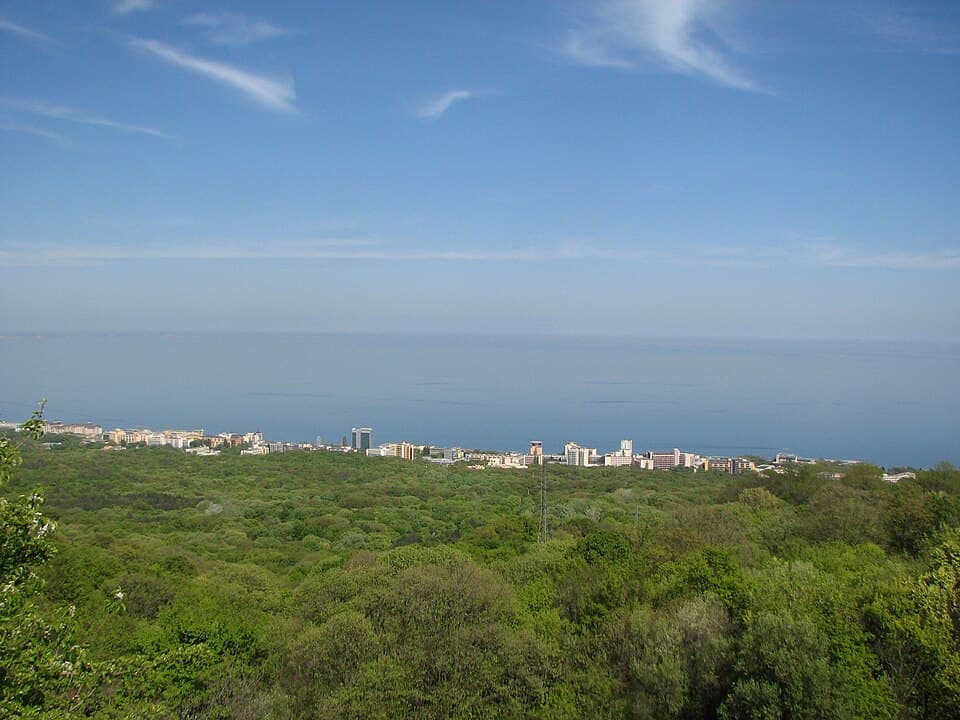
Varna
14.8 km away
Balchik Palace is located in Dobrich, Bulgaria.
Balchik Palace is most easily reached by car. Use the coordinates above to navigate, or open the location in OpenStreetMap or your preferred maps app for turn-by-turn directions. Public transport options vary by region — for remote destinations a rental car gives the most flexibility.
Balchik Palace can be visited year-round. Spring and autumn offer the most pleasant conditions for exploring, with mild temperatures and fewer crowds. Summer is ideal for photography and longer day trips; winter visits are possible but weather can limit access at some sites.
Most natural landmarks in Bulgaria are freely accessible and open year-round, though some sites have entrance fees or require a guide. Wear sturdy footwear and bring water, as the terrain can be uneven. Respect any protective barriers and stay on marked paths to preserve the site.