

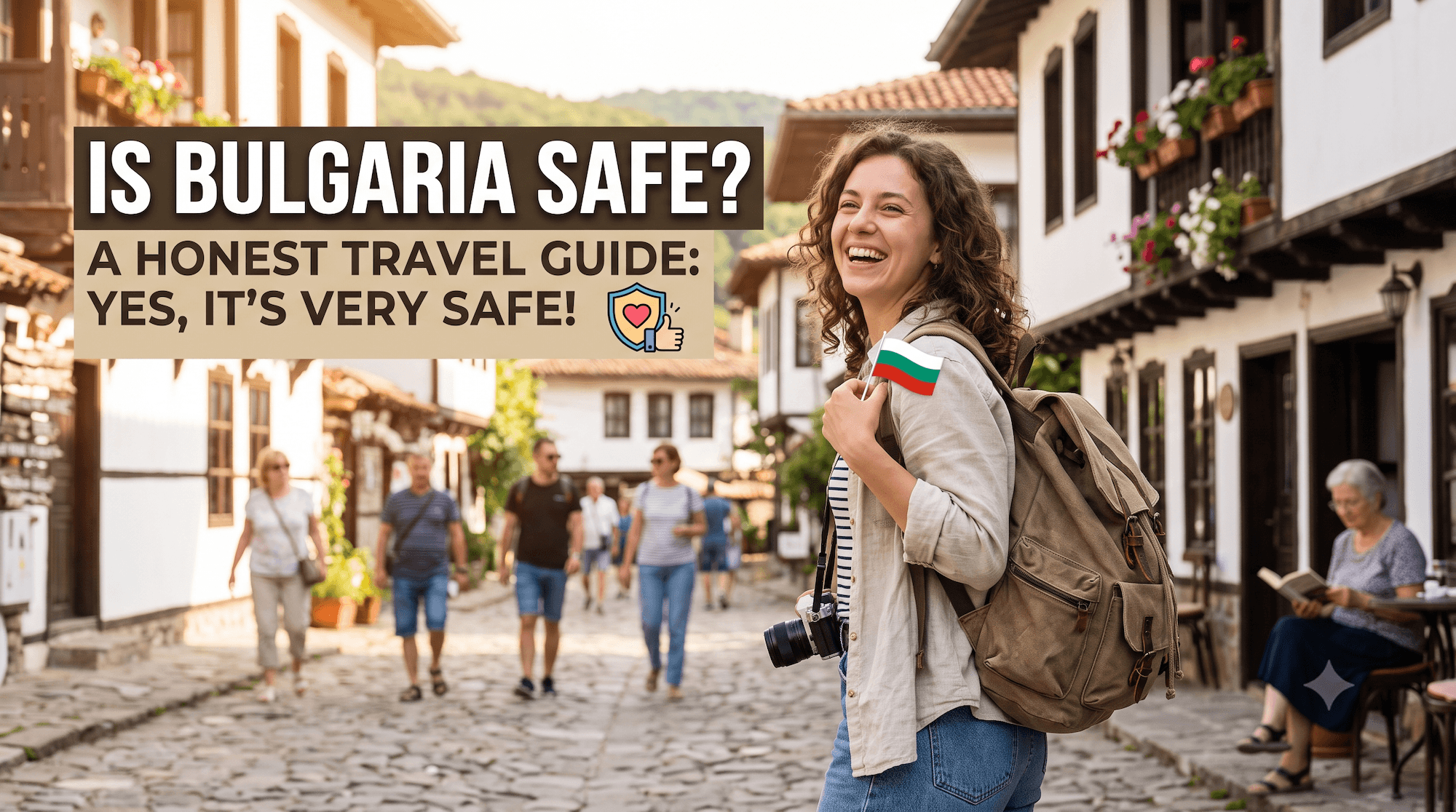
Is Bulgaria Safe for Tourists? (Honest 2026 Guide)
In this guide▾
Bulgaria is one of Europe's safer and easier countries to travel, but it's natural to want the honest picture before you go. The short answer: most trips are completely trouble-free, with the usual big-city and tourist-area precautions. This guide gives you a realistic, up-to-date rundown of crime, scams, solo and female travel, driving, and the practical safety info worth knowing.
✅ The Short Answer
Bulgaria is a generally safe destination with low violent crime. As an EU member with a well-developed tourism industry, its cities, resorts, and mountain towns are used to international visitors. The realistic risks are petty theft, taxi overcharging, and everyday road-safety caution — not violence.
👛 Petty Crime
The most common issue is pickpocketing in crowded places: busy markets, public transport, and packed tourist spots in Sofia and on the summer coast.
- Keep valuables secure and out of back pockets.
- Stay aware in crowds and on busy transport.
- Use your hotel safe for passports and spare cash.
Violent crime against tourists is rare.
🚕 Taxis & Common Scams
- Taxi overcharging is the classic pitfall. Use metered official taxis (usually yellow) or apps — Yellow!, Bolt, TaxiMe — which fix the fare upfront. Avoid drivers who approach you at airports and stations. (More in our getting around Bulgaria guide.)
- Dynamic currency conversion: at ATMs and card machines, always choose to be charged in euros, not your home currency.
- Use ATMs attached to banks, and avoid standalone tourist-zone machines with poor rates.
🚶♀️ Solo & Female Travelers
Bulgaria is generally welcoming and manageable for solo travelers, including women. Apply the same sensible habits you would anywhere:
- Avoid poorly lit, empty areas late at night.
- Keep an eye on your drinks in bars and clubs.
- Use registered taxis or apps after dark.
Cities and tourist areas are well accustomed to independent travelers.
🚗 Road Safety
Driving is fine but calls for defensive habits. Motorways are good; rural and mountain roads can be rough or winding, so allow extra time. Watch for aggressive overtaking. Remember: a vignette is required, the drink-drive limit is low, and snow tyres are mandatory in winter. Travelling with children? Our family travel guide covers the drive times that make or break a trip with kids.
⛰️ Nature & Mountains
Bulgaria's mountains are beautiful but serious. Weather changes fast at altitude, so on hikes like the Seven Rila Lakes carry layers, water, and a charged phone, check conditions, and don't set out late. In winter, avalanche and cold risks are real off-piste.
🆘 Health & Emergencies
- 112 is the emergency number for police, ambulance, and fire, with English-speaking operators.
- Bulgaria honours the EHIC/GHIC for EU visitors, but travel insurance is strongly recommended.
- Tap water is safe in cities and most towns.
- Pharmacies (apteka) are widespread and helpful.
💶 A Note on Money
Since 2026 Bulgaria uses the euro, so there's no need to change into an unfamiliar currency, and cards are widely accepted. For budgets and money tips, see our trip cost guide.
Travel smart and Bulgaria is a safe, rewarding, and remarkably good-value destination. Keep planning your trip with Mestala.com.
Want more Mestala in your Google results?
Add mestala.com as a preferred source and our guides will show up more often when you search. Requires a Google account.
Frequently Asked Questions
Is Bulgaria safe for tourists?▾
Yes. Bulgaria is a generally safe destination with low levels of violent crime, and most visits are trouble-free. The main things to watch are petty theft (pickpocketing in crowded tourist areas), taxi overcharging, and normal road-safety caution. Use common-sense precautions and you're very unlikely to have problems.
Is Bulgaria safe for solo and female travelers?▾
Broadly yes. Solo travelers, including women, generally find Bulgaria welcoming and easy to navigate, with the same sensible precautions you'd take anywhere: avoid poorly lit areas late at night, keep an eye on drinks, and use registered taxis or ride-hailing apps. Cities and tourist areas are well used to independent travelers.
What is the emergency number in Bulgaria?▾
The single European emergency number 112 works throughout Bulgaria for police, ambulance, and fire, and operators can assist in English. Save it in your phone. As an EU member, Bulgaria also honours the European Health Insurance Card (EHIC/GHIC) for state healthcare, though travel insurance is still strongly recommended.
What scams should I watch out for in Bulgaria?▾
The most common issues are taxi overcharging (use metered official cabs or apps like Yellow!, Bolt, or TaxiMe and avoid touts at airports and stations), and at ATMs or card terminals being offered 'dynamic currency conversion' — always choose to be charged in euros. Use ATMs attached to banks, and keep an eye on your card and belongings in crowds.
Is it safe to drive in Bulgaria?▾
Yes, but drive defensively. Motorways and main roads are good, but some rural roads are rough and mountain roads are winding, so allow extra time. Watch for aggressive overtaking, and note that a vignette (toll sticker) is required, headlights are advised, the drink-drive limit is low, and snow tyres are mandatory in winter.
Is the tap water safe to drink in Bulgaria?▾
Tap water is safe to drink in Bulgarian cities and most towns, and mineral water from public fountains in spa areas is a local point of pride. In remote mountain areas, bottled or filtered water is a safer bet. Standards of hygiene in restaurants are generally good across the country.
You might be interested in
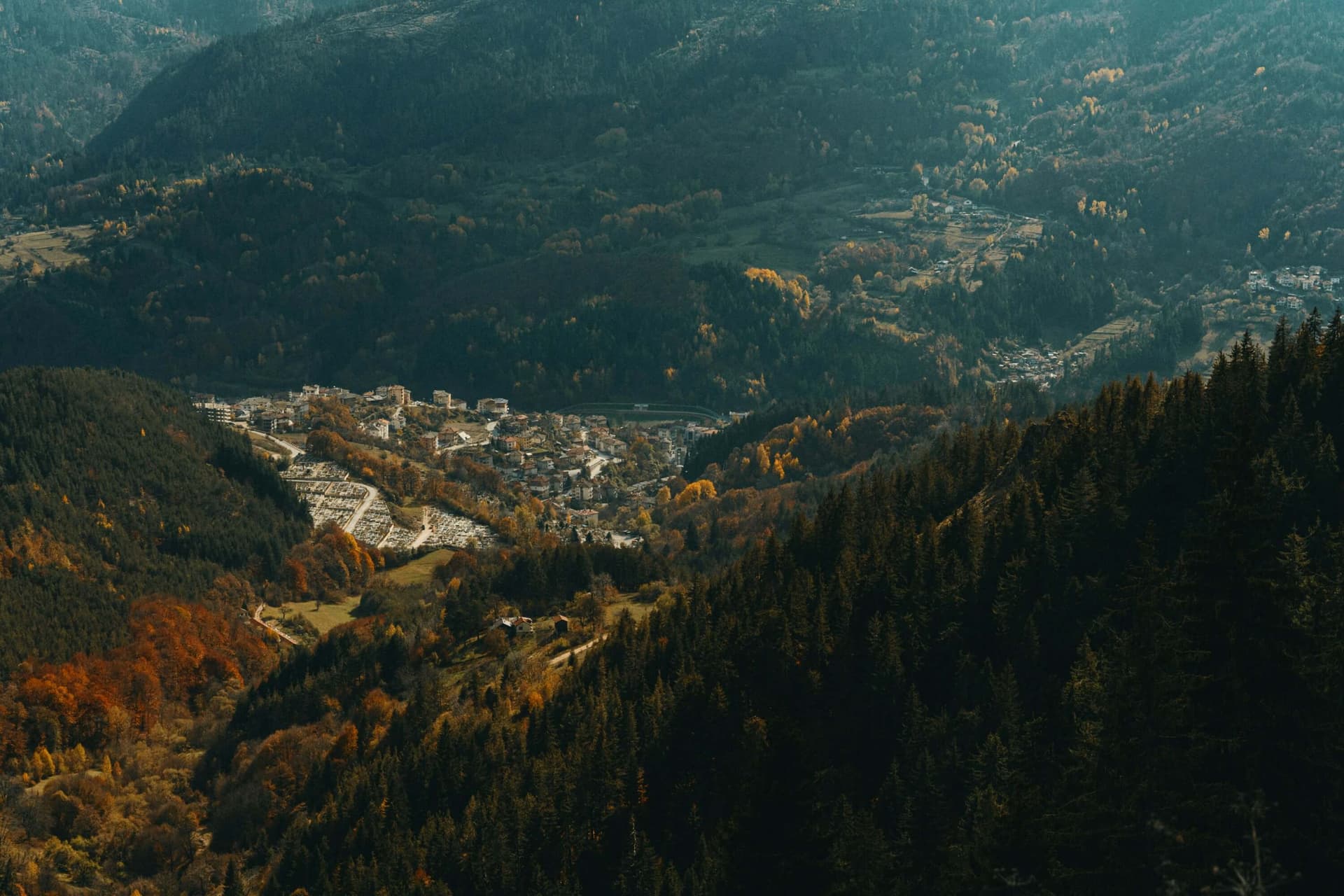
Bulgaria in Autumn: Things to Do Beyond the Beach
Grape harvest in the Struma and Thracian valleys, Rhodope forests turning gold in October, the last safe hiking window, and a coast without the crowds.
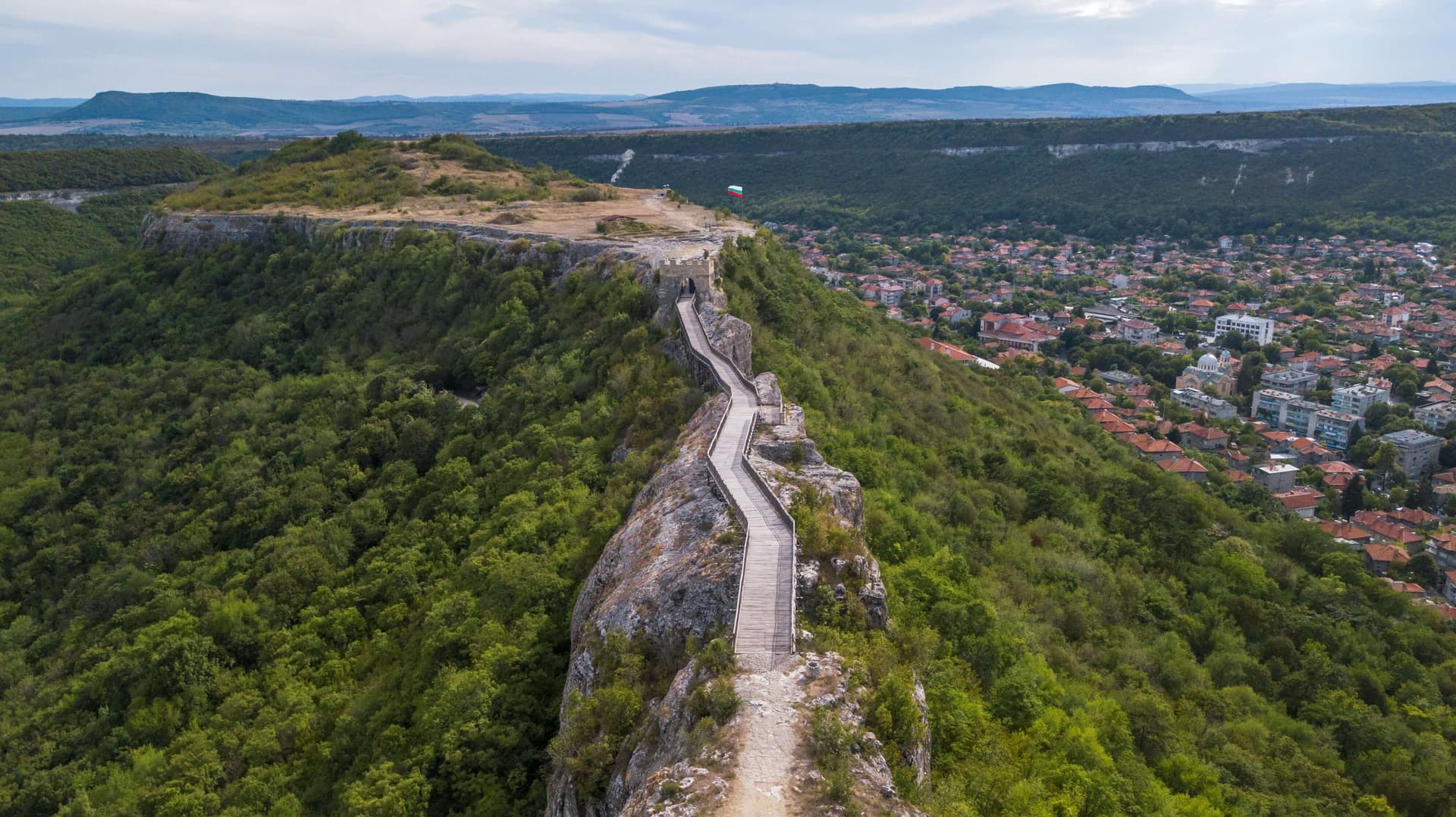
Bulgaria with Kids: A Family Travel Guide
How to pick a base by your children's ages, the drive times that make or break a family trip, which caves and beaches actually work with young kids, which ski resort suits which age, and rainy-day fallbacks.
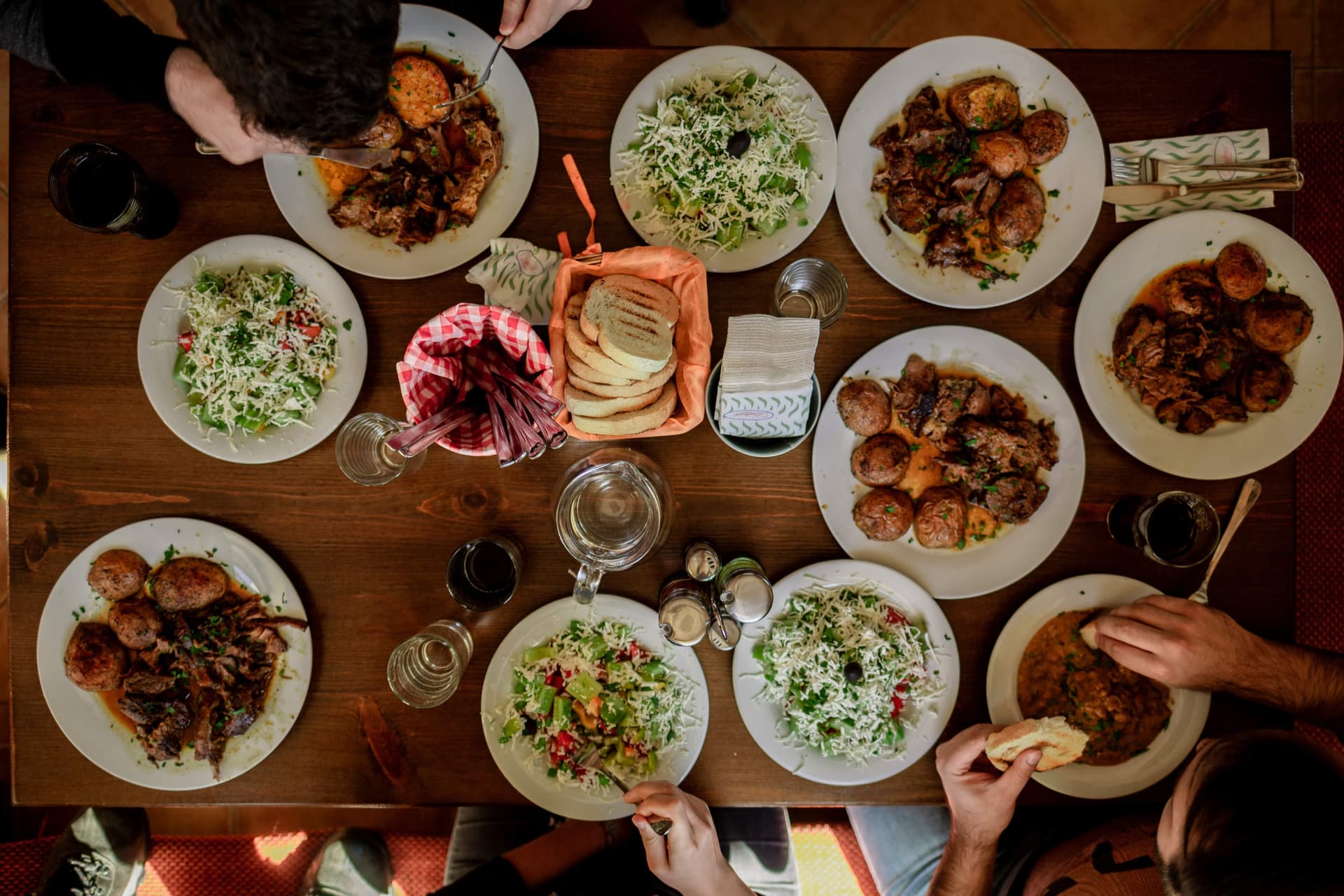
Bulgarian Food: The Dishes Worth Seeking Out
Shopska salad and rakia to open, banitsa from the bakery, the mixed grill, clay-pot stews and the fasting dishes that make the country quietly vegetarian-friendly.
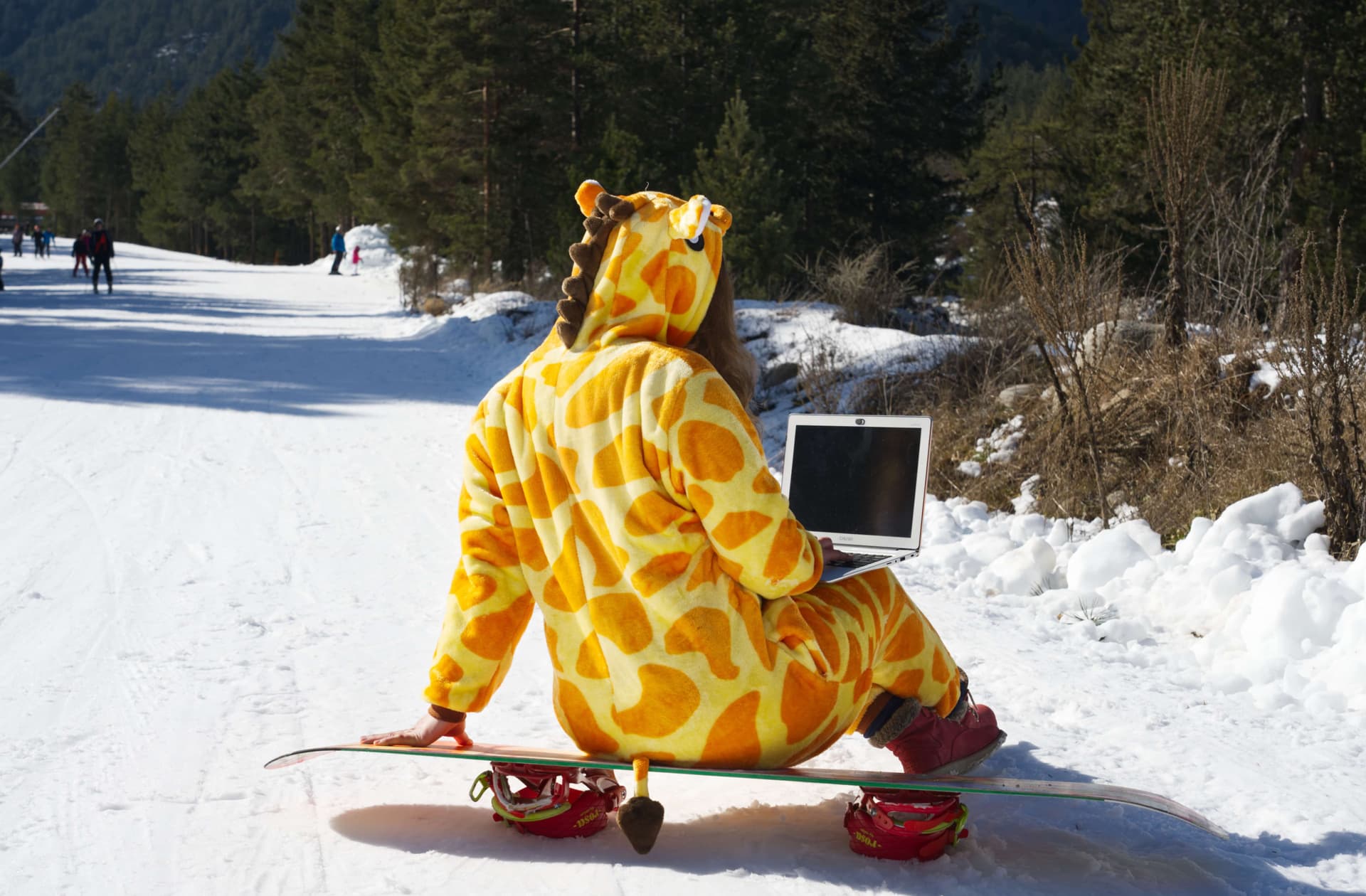
Digital Nomad Guide to Bulgaria: Visa, Tax and Where to Base
Bulgaria's new digital nomad visa, the 10% flat tax, and how Sofia, Plovdiv and Bansko actually compare for remote work — internet, coworking, cost of living and community.