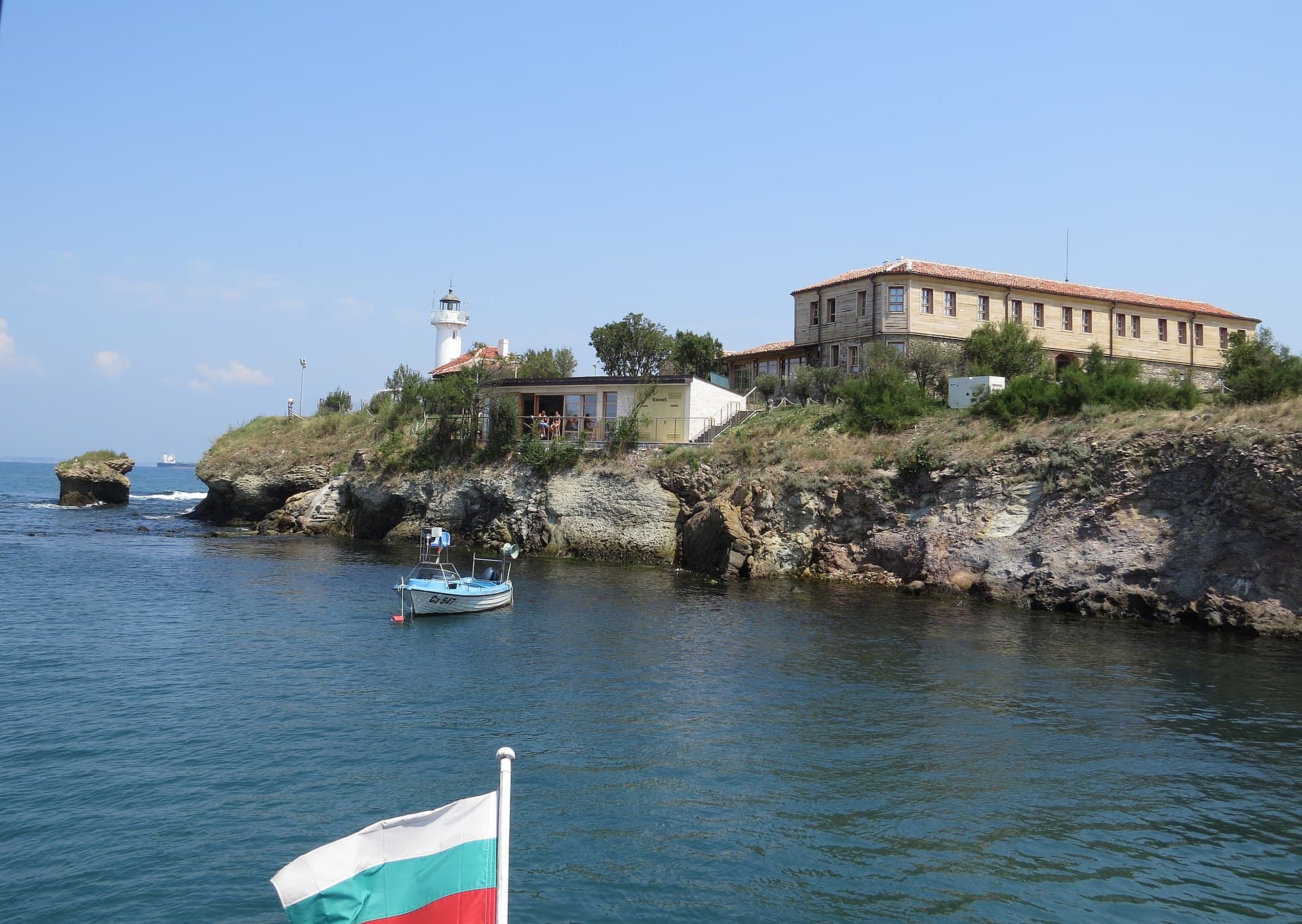
St Anastasia is an island in Burgas Bay, 6.5 km southeast of Burgas, between Cape St Anastasia and Cape Atiya. It holds the only surviving island monastery in Bulgaria. Between 1945 and 1991 the island was called Bolshevik. How to get there by boat from Burgas is covered in our guide below.
It covers about 9 decares (0.9 ha), which makes it the third-largest Bulgarian island in the Black Sea, after St Ivan and St Kirik. It is built of volcanic rock. Sea and wind have shaped rock formations known as the Dragon, the Petrified Ship, the Sun Gate and the Mushroom.
The monastery is dedicated to St Anastasia Pharmakolytria, "the Healer", and the church of St Kliment Ohridski stands in the middle of the island. The earliest traces of people here date from the 4th–6th centuries: underwater surveys in 1973 recovered a complete amphora from Constantinople. The first written record of the monastery is a charter of Patriarch Jeremias II from June 1575. After 1623, when the monastery on St Ivan island was destroyed, some of its monks moved here, and in 1656 Evliya Çelebi described a wealthy monastery with a large feast. The monastery was raided and burned many times; in 1802 the church was repaired and painted with a donation from Hadzhi Matey of Kotel.
In 1888 the last of the seven sea lighthouses on the Bulgarian coast was opened on the island. After the 1923 coup the monastery became a place to isolate political opponents: 132 communists and agrarians were interned here in 1923, and 90 prisoners after the 1925 St Nedelya church bombing. On 29 July 1925, 43 prisoners escaped in two rowing boats to Cape Chukalya and on to Istanbul. That escape is why the island was renamed Bolshevik after 1945. A camp operated here again in 1940–1941.
In the 1960s a museum display was set up and the large southern building became a hotel. The island turned into a retreat for the Burgas intelligentsia; the poet Hristo Fotev was even nicknamed "governor of the island". A team led by the artist Damyan Zaberski removed and preserved part of the surviving frescoes. In 1975 the island got electricity and running water.
The buildings are once again run by the Bulgarian Orthodox Church. The island has a lighthouse, a restaurant, rooms for overnight stays and a small pier. It lies on the Via Pontica flyway: every spring and autumn flocks of white and black storks, buzzards, honey buzzards and lesser spotted eagles pass over it.
Burgas region
5.4 km away

Burgas region
5.6 km away
Burgas region
7.2 km away
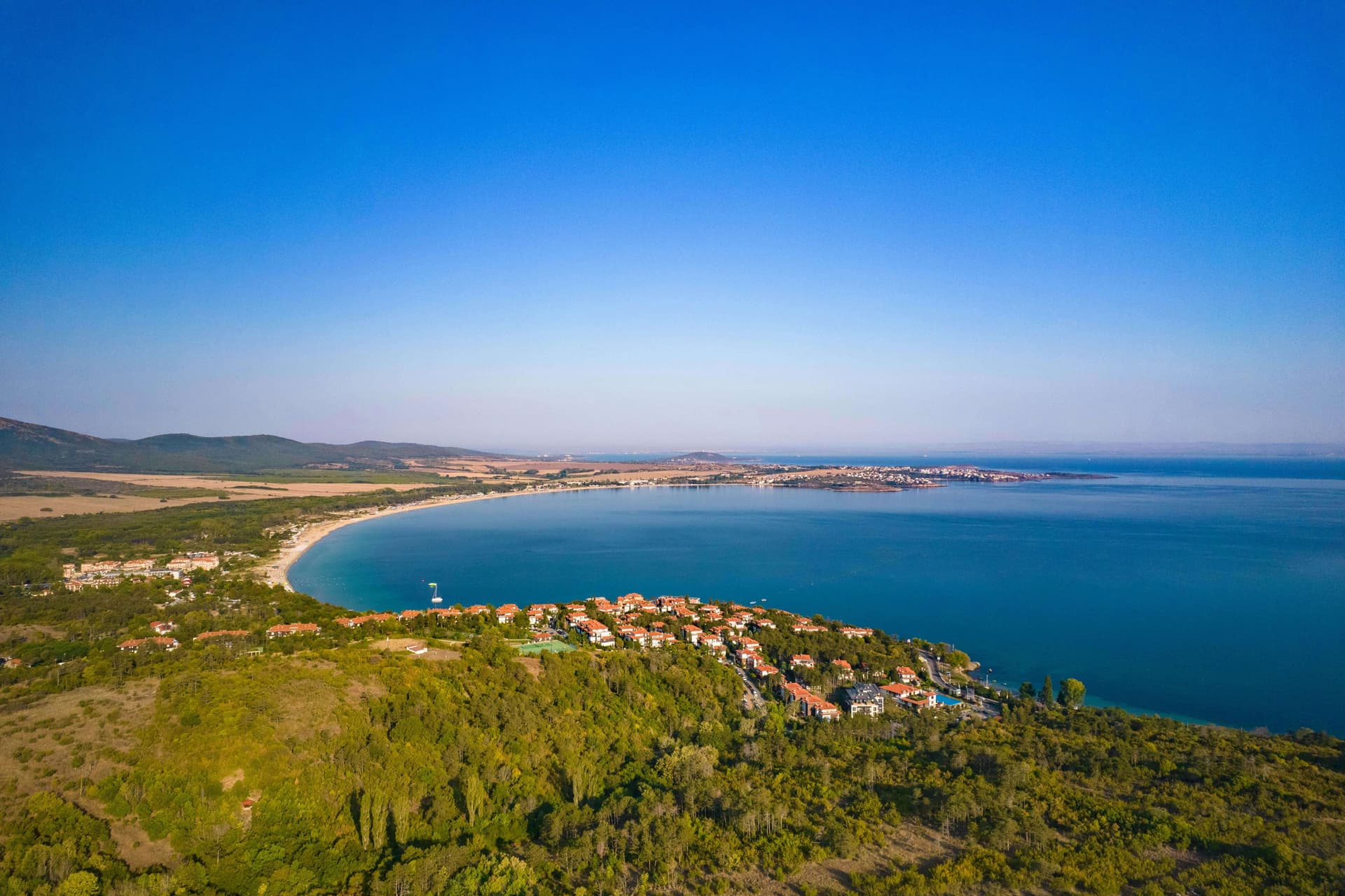
Burgas region
7.5 km away
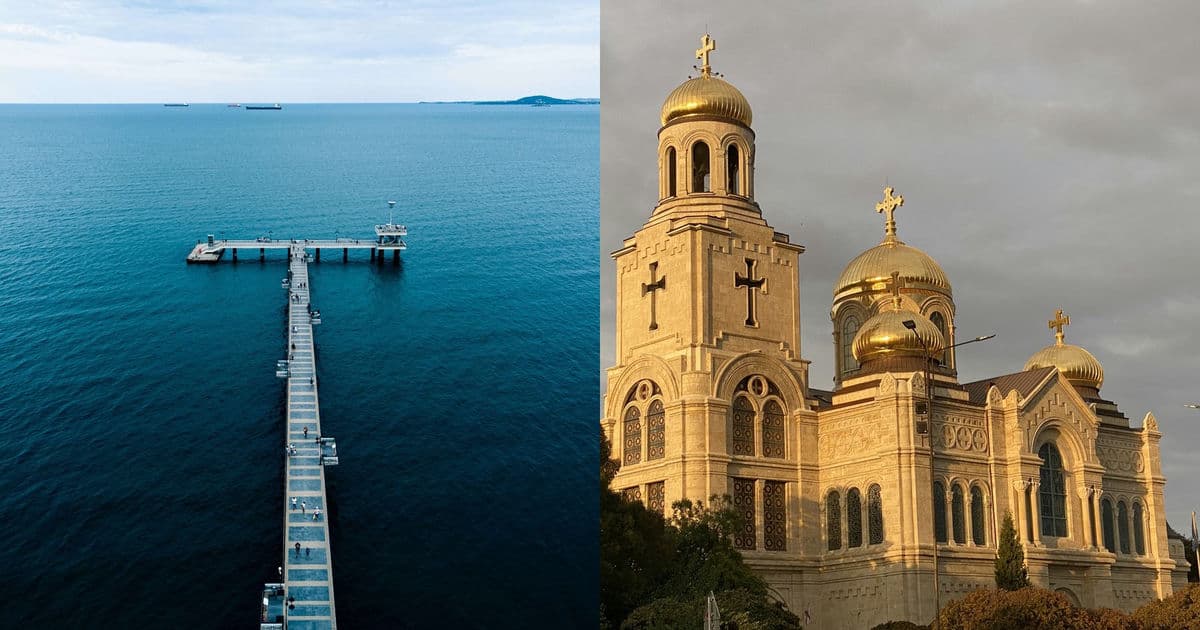
Varna or Burgas? Compare the beaches, family travel, sightseeing and parking in our guide to Bulgaria's two main Black Sea cities.
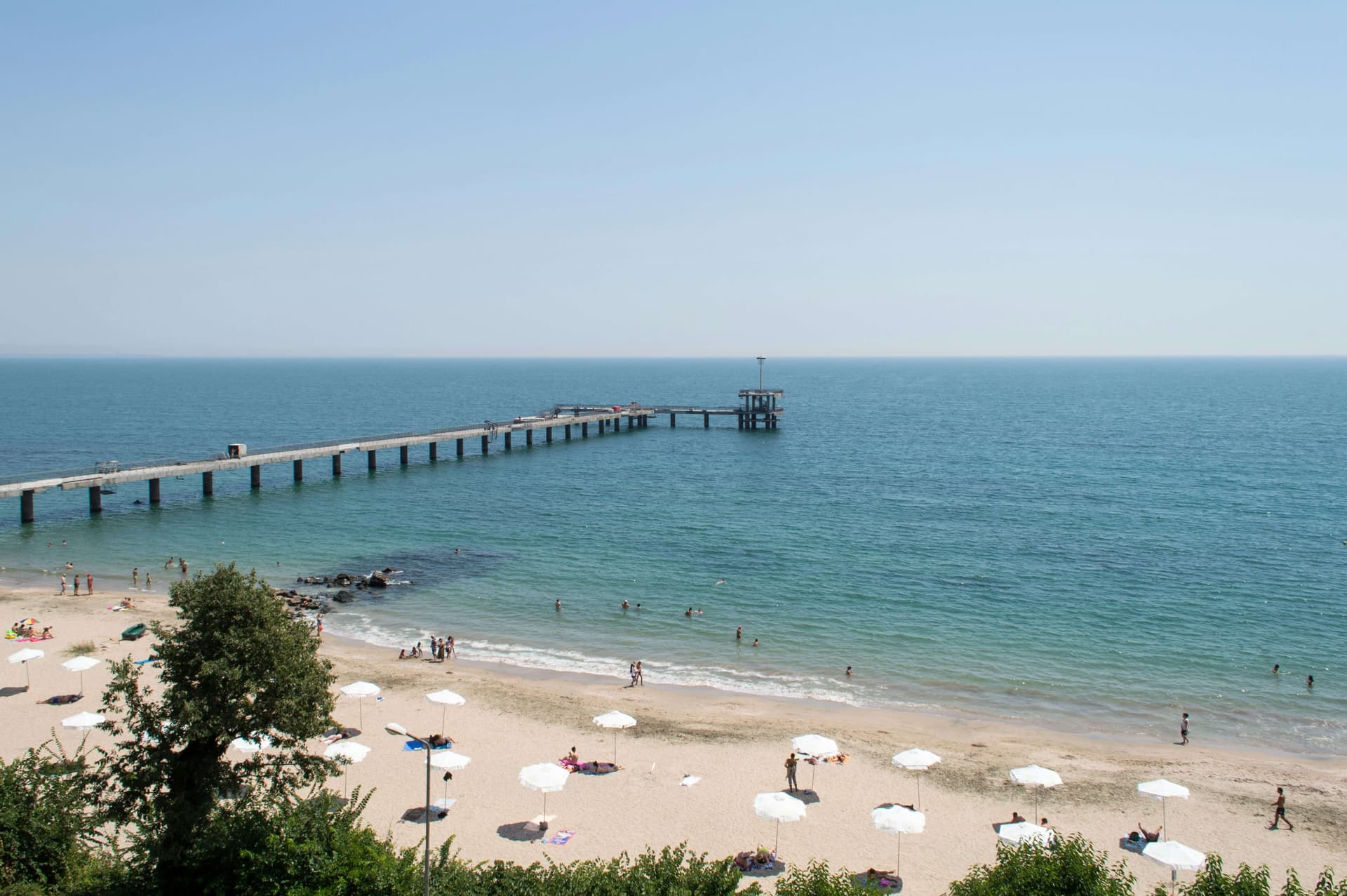
Planning a weekend in Burgas? A 2-day itinerary covering the Sea Garden and the Bridge, St. Anastasia Island, the saltworks and the parking zones.
St. Anastasia Island is located in Burgas, Bulgaria.
St. Anastasia Island is most easily reached by car. Use the coordinates above to navigate, or open the location in OpenStreetMap or your preferred maps app for turn-by-turn directions. Public transport options vary by region — for remote destinations a rental car gives the most flexibility.
St. Anastasia Island can be visited year-round. Spring and autumn offer the most pleasant conditions for exploring, with mild temperatures and fewer crowds. Summer is ideal for photography and longer day trips; winter visits are possible but weather can limit access at some sites.
Most natural landmarks in Bulgaria are freely accessible and open year-round, though some sites have entrance fees or require a guide. Wear sturdy footwear and bring water, as the terrain can be uneven. Respect any protective barriers and stay on marked paths to preserve the site.