

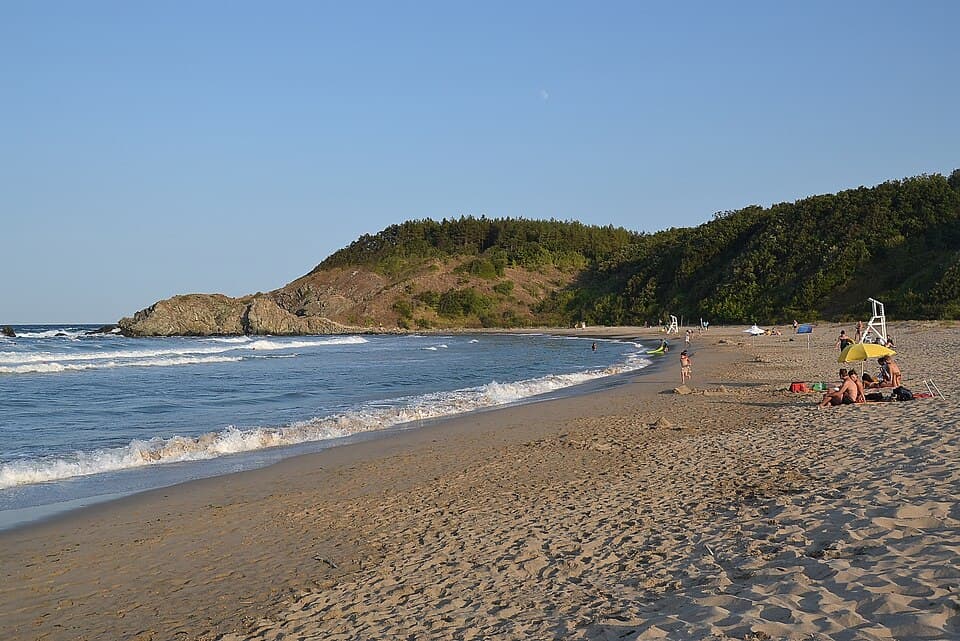
Silistar Beach
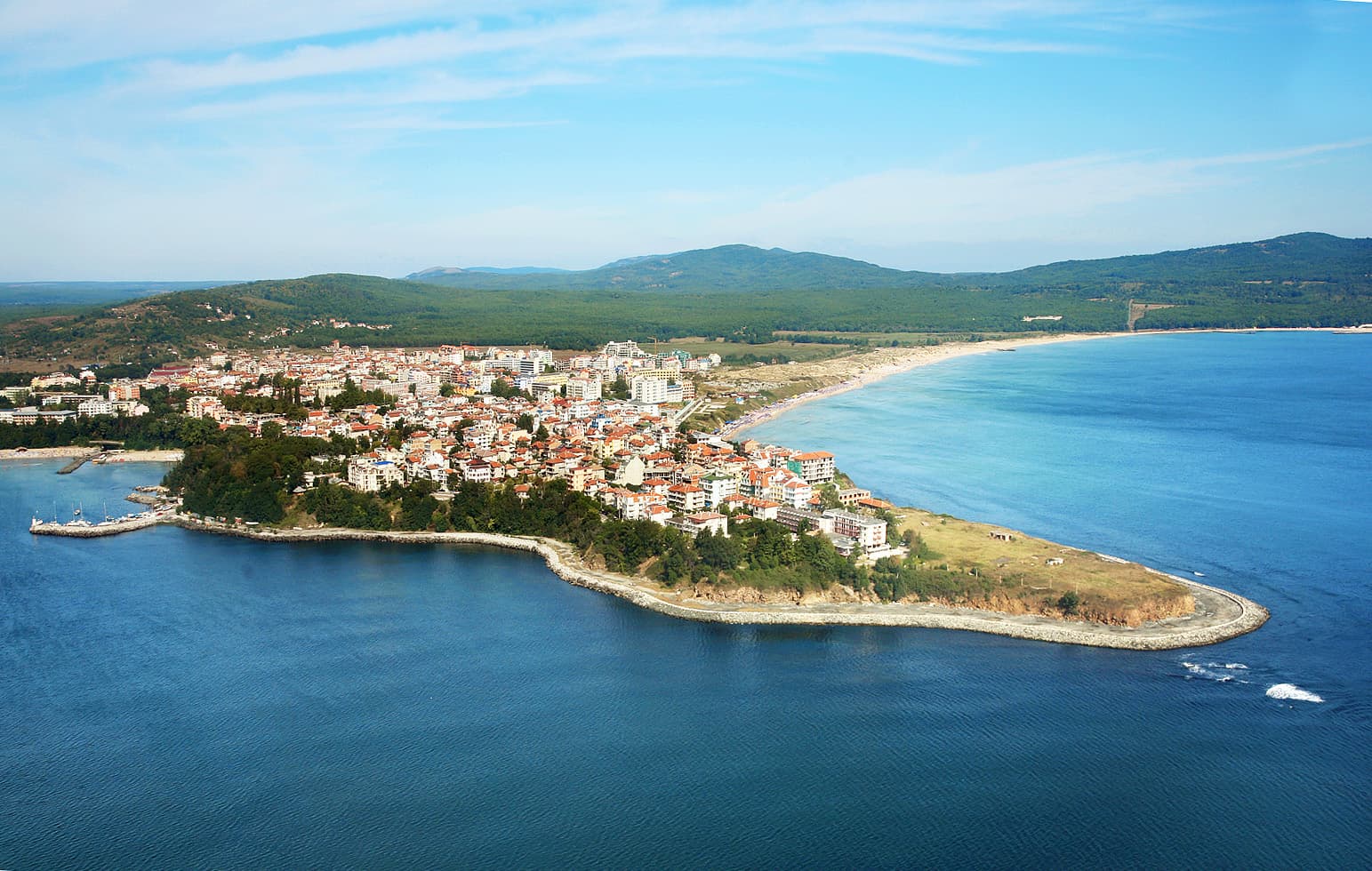
Silistar is a protected area with a sandy beach and a campsite in Tsarevo municipality, about 5 km from both Sinemorets and Rezovo, at the mouth of the Silistar river. It was declared in 1992 and lies in Strandzha Nature Park, close to the Turkish border.
Getting there and parking
About 5 km past Sinemorets on the Sinemorets – Rezovo road, turn onto a dirt road that runs about 1 km through the forest to a large car park. In 2024 a private company charged a passage fee, citing private land. The free option is to leave the car on the main road and walk about 2 km. The road is narrow and winding.
What to see
A deep bay between rocks, with a sandy beach, the river mouth and dense forest above the shore. The area is part of the Strandzha protected zones in the Natura 2000 network. In 1998 it received, together with the Veleka river mouth, the country's first approved management plan.
Visiting
There are no bars on the sand, so bring shade, water and food. The campsite runs in a designated zone. Fires, camping outside set areas and cars on the dunes are banned. Sources do not mention lifeguards.
When to go
The beach season is summer; the protected-area rules apply all year.
Nearby
- Sinemorets.
- Rezovo.
- Ahtopol.
7-day forecast
Weather data from MET NorwayNearby Places

Rezovo
Burgas region
4.4 km away
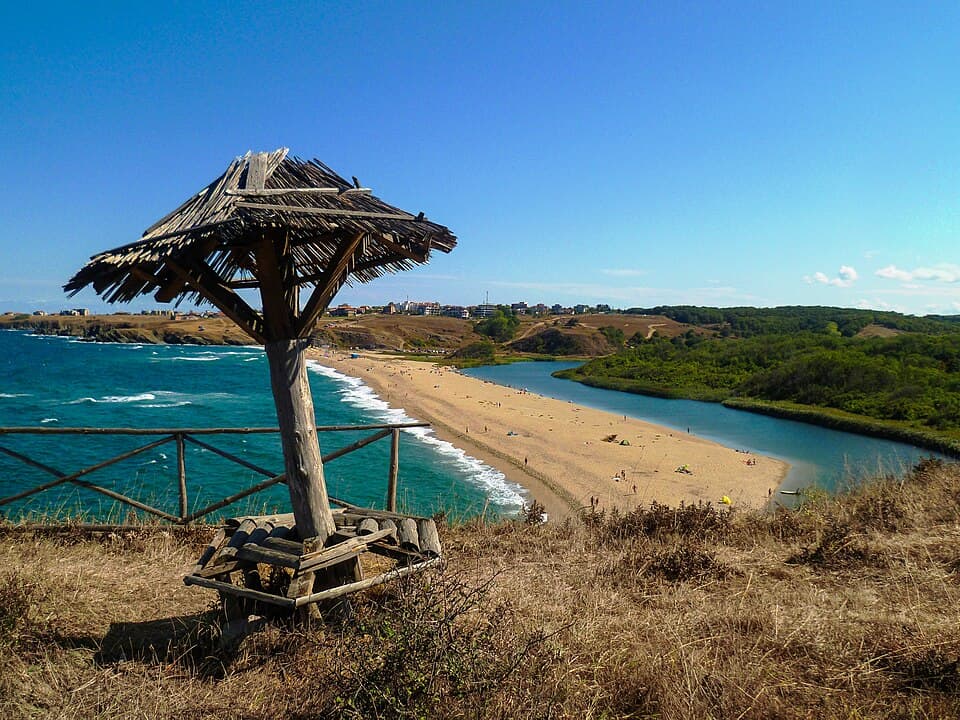
Sinemorets
Burgas region
5.2 km away
Ahtopol
Burgas region
10.2 km away
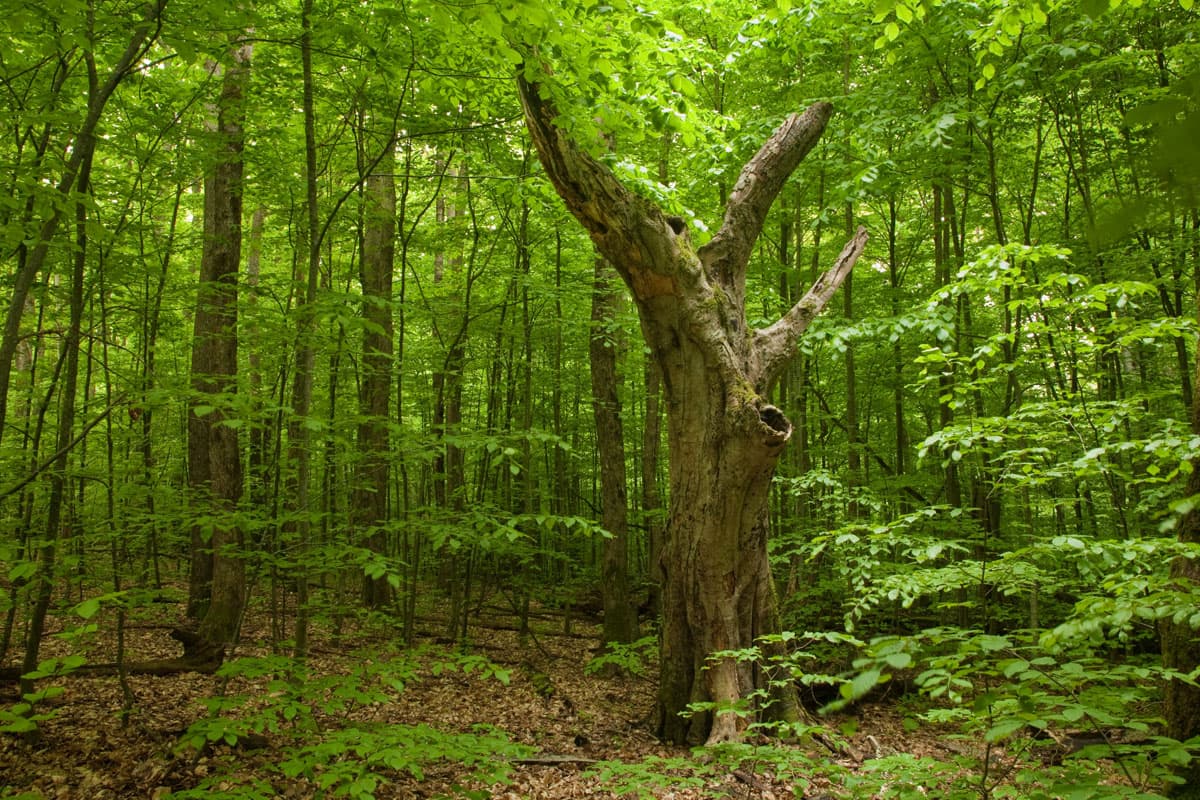
Uzunbodzhak Reserve
Burgas region
18.1 km away
More to explore

Read more in our travel guides
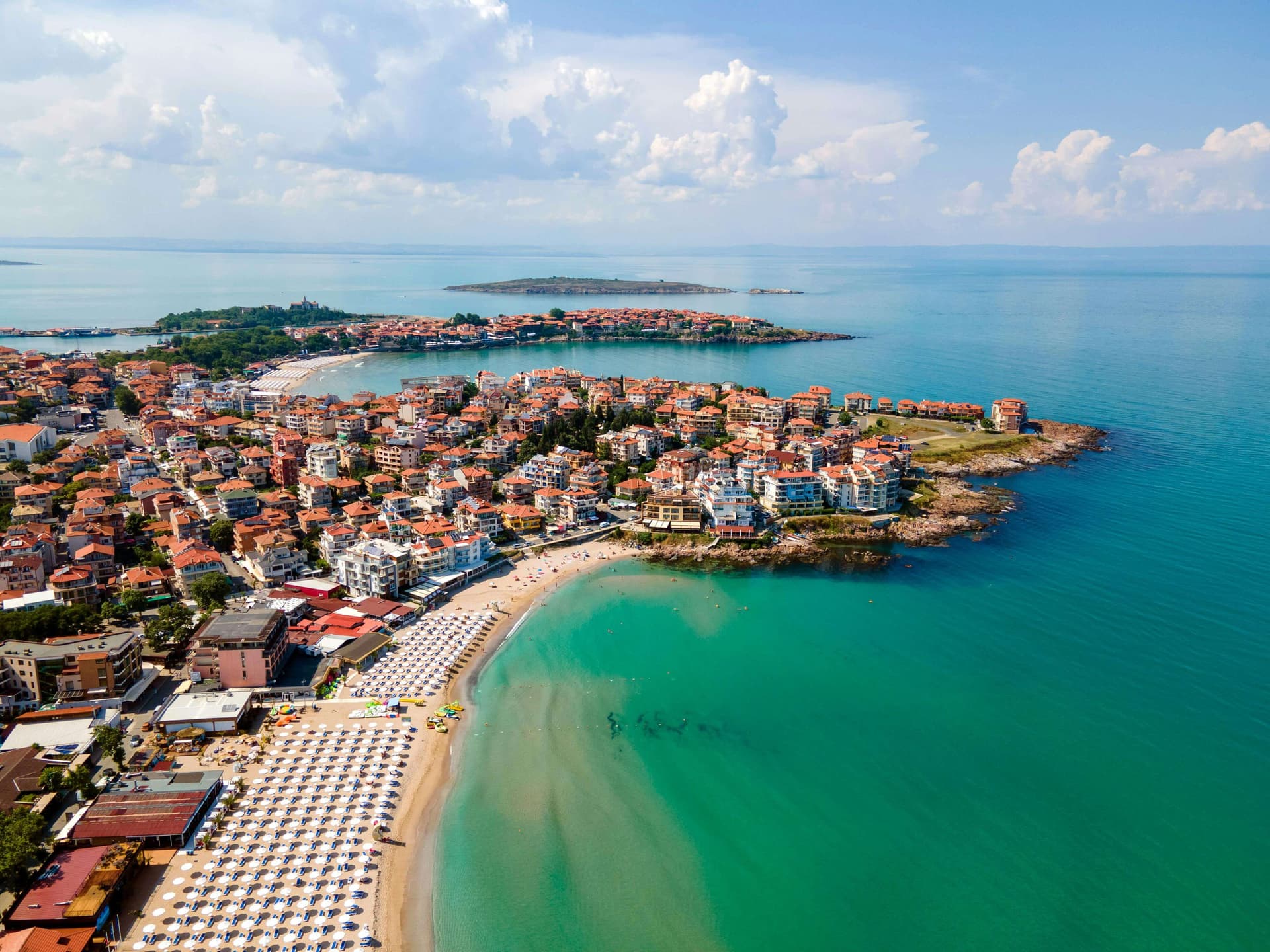
Things to Do in Sozopol: Old Town, Beaches & Apollonia Festival
The best things to do in Sozopol: the historic Old Town, the town beaches, the Apollonia Arts Festival and trips south to Primorsko and Sinemorets.
Southern Black Sea Beaches: Primorsko, Kiten & Sinemorets
A complete guide to the best wild and family beaches south of Burgas: Perla Bay, Drivers' Beach Alepu, Arapya, Veleka River mouth, and picturesque Silistar.
Frequently asked questions
Where is Silistar Beach located?
Silistar Beach is located in Burgas, Bulgaria.
How do I get to Silistar Beach?
Silistar Beach is most easily reached by car. Use the coordinates above to navigate, or open the location in OpenStreetMap or your preferred maps app for turn-by-turn directions. Public transport options vary by region — for remote destinations a rental car gives the most flexibility.
What is the best time to visit Silistar Beach?
Silistar Beach can be visited year-round. Spring and autumn offer the most pleasant conditions for exploring, with mild temperatures and fewer crowds. Summer is ideal for photography and longer day trips; winter visits are possible but weather can limit access at some sites.
What should I know before visiting Silistar Beach?
Most natural landmarks in Bulgaria are freely accessible and open year-round, though some sites have entrance fees or require a guide. Wear sturdy footwear and bring water, as the terrain can be uneven. Respect any protective barriers and stay on marked paths to preserve the site.