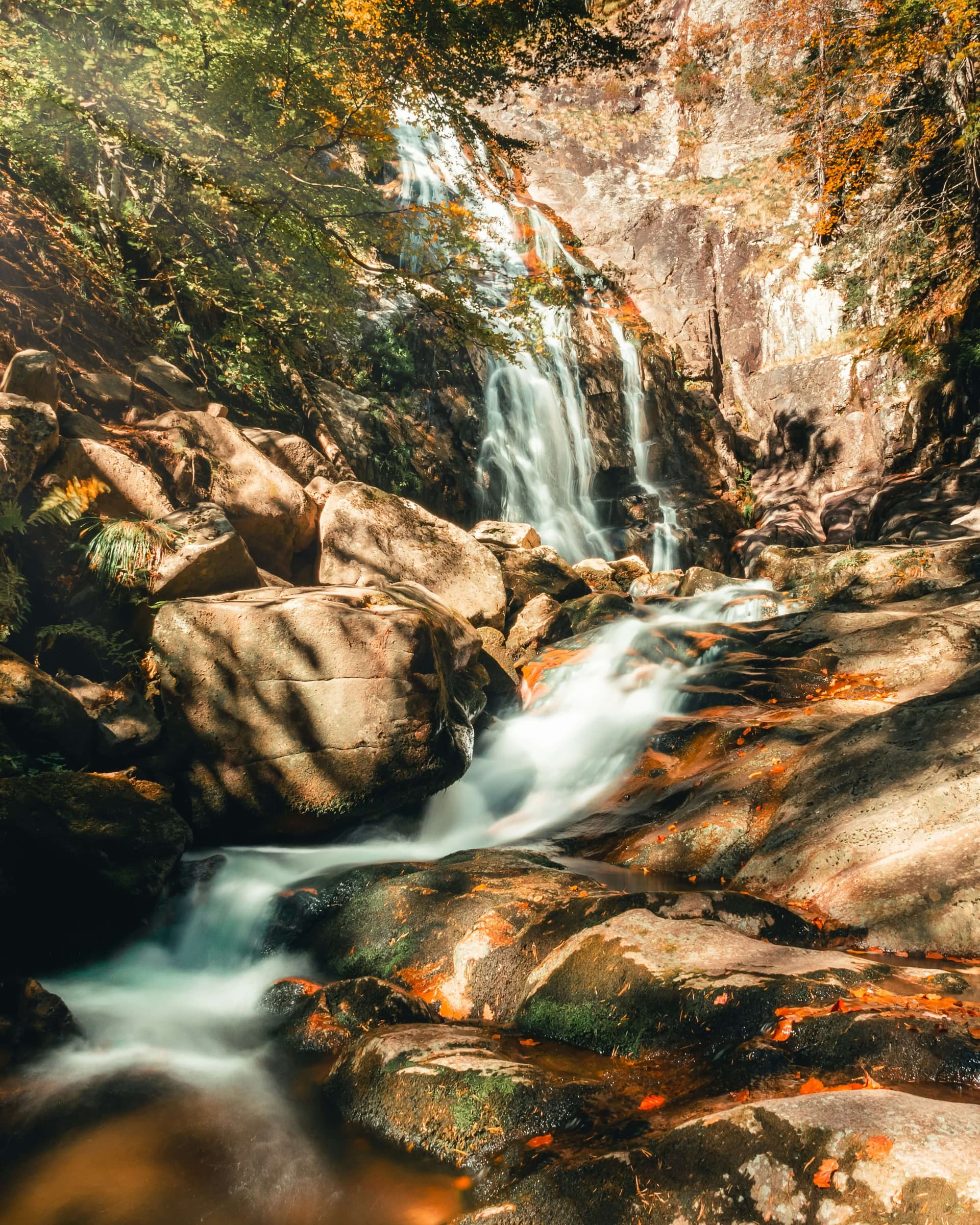
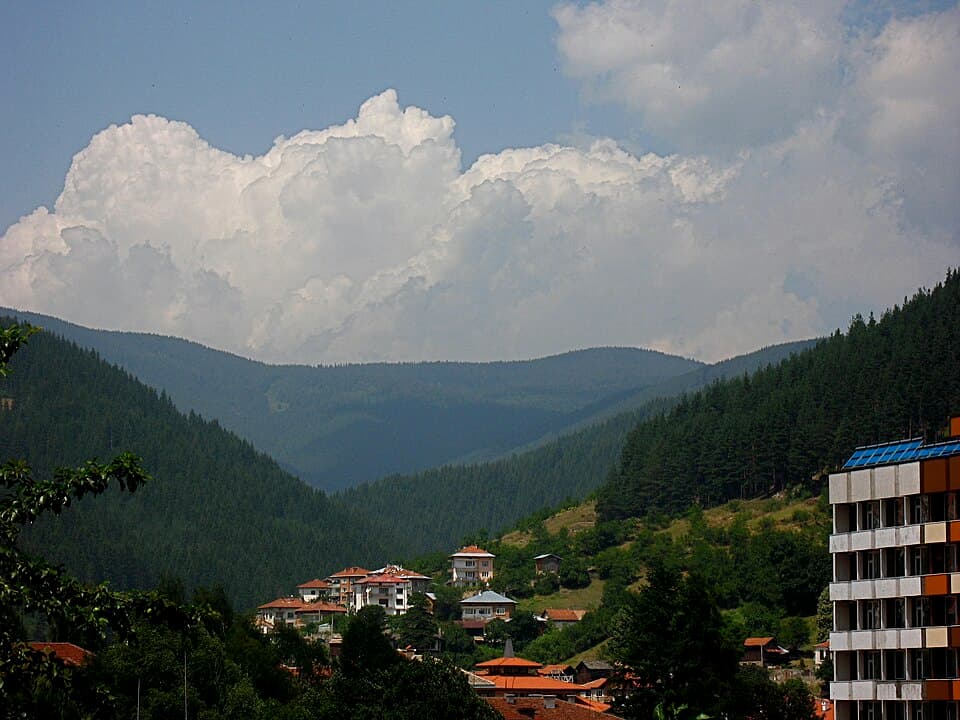
The mountain village of Orehovo is one of the most enchanting hidden gems in the Rhodope Mountains. Aside from its ancient pine forests and emerald meadows, the region is highly regarded for its numerous small chapels, built and maintained through the voluntary labor and deep-rooted faith of the local citizens. One of the most rewarding journeys above the village leads to the high-altitude Persenk Hut (1,750 m), combining pristine nature with a spiritual pilgrimage.
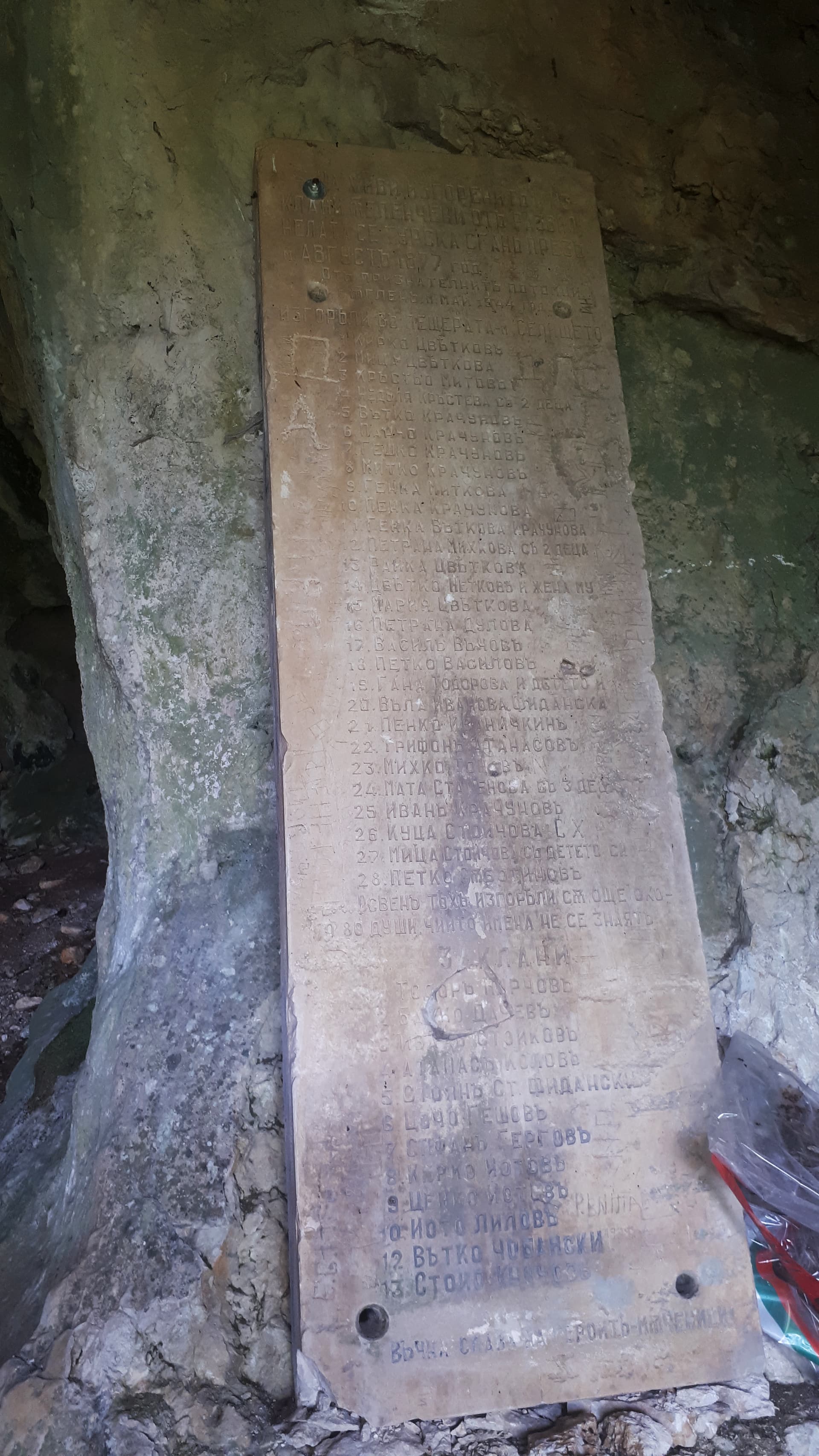
The area surrounding the trail and the hut hides three beautiful chapels that make for incredible photography and peaceful stops:
From Katargi, a network of picturesque, shaded trails leads hikers smoothly back down to Orehovo through towering spruce and pine trees.
Sitting at 1,750 meters above sea level, Persenk Hut is a major alpine base boasting a capacity of 119 beds and even its own ski slope. The word Persenk stems from Turkish-Persian origins, meaning "a barrier" or "an obstacle"—a fitting name for the rugged ridge defined by the twin peaks of Golyam Persenk (2,091 m) and Malak Persenk. The trek from the hut to the summit of Golyam Persenk takes approximately 2 hours.

Smolyan
1.7 km away
Smolyan
2.4 km away
Smolyan
2.6 km away
Smolyan
2.7 km away
Orehovo - hut Persenk is located in Smolyan, Bulgaria.
Orehovo - hut Persenk is most easily reached by car. Use the coordinates above to navigate, or open the location in OpenStreetMap or your preferred maps app for turn-by-turn directions. Public transport options vary by region — for remote destinations a rental car gives the most flexibility.
Orehovo - hut Persenk is best walked from May through October, when the trail is clear of snow and weather is generally stable. Summer middays can be hot at lower altitudes — start early. Winter walking requires proper gear and route knowledge.
Suitability depends on the specific route. Bulgarian trails range from paved family-friendly paths to multi-day high-mountain crossings. Check the length, elevation gain, and surface before setting off. Sturdy footwear, water, and a basic map (offline or paper) are essential even on short walks.