- Coordinates
- 42.69425, 24.44997
The Klisura History Museum is housed in the "Community Centre, Monument and Museum of 20 April 1876", opened on 2 May 1926 for the 50th anniversary of the April Uprising. The museum is one of the 100 National Tourist Sites.
What to see
The most valuable exhibits are the original bell that announced the start of the uprising in Klisura on 20 April 1876 — two hours after it was declared in Koprivshtitsa — and a surviving cherry-wood cannon. The museum also has an art collection with works by Zlatyu Boyadzhiev, Nenko Balkanski, Dechko Uzunov, Hristo Stanchev, Dimitar Kirov and others.
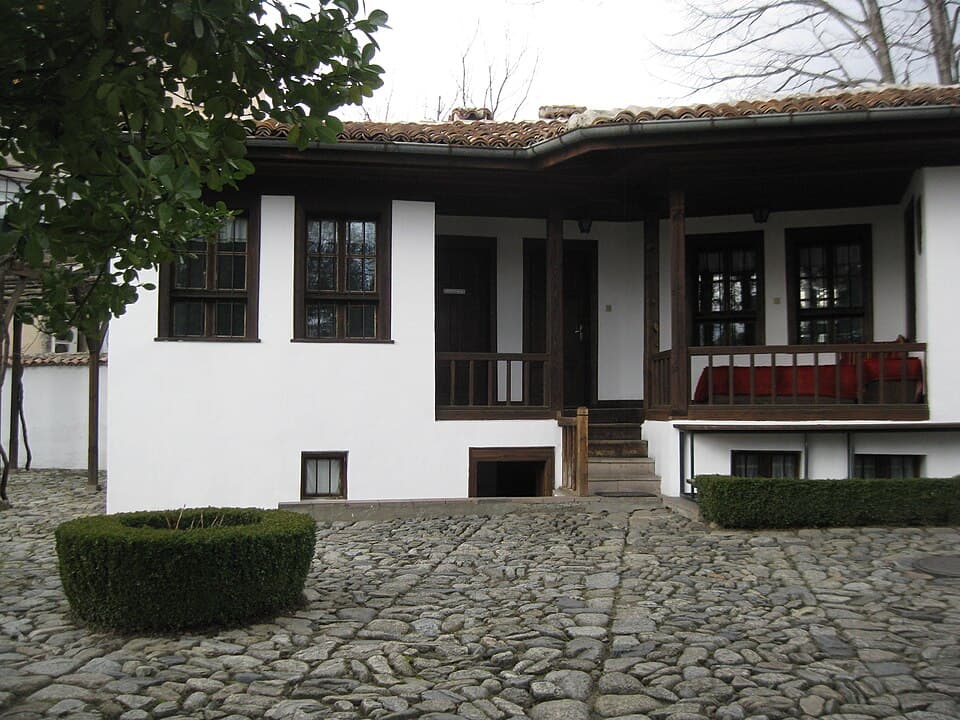
Three National Revival houses belong to the museum:
- The Pavurdzhiev House — the first secret revolutionary committee of the Fourth Revolutionary District was founded here; its yard holds the only rose-oil distillery that survives today.
- The Kozinarov House — its yard has the restored well into which the mother, Tsana, threw herself with her four children when the uprising was crushed.
- The Chervenakov House — the first house rebuilt after the town was burnt, with an authentic early-20th-century shop and a "Potato Museum" on the second floor.
History
The money for the building was collected over 30 years by people from Klisura, in the town and across Bulgaria. For decades it was the centre of the town’s cultural life.
Visiting
On request at the History Museum you can also see the house of the teacher Botyo Petkov and the Ethnographic Museum.
Nearby
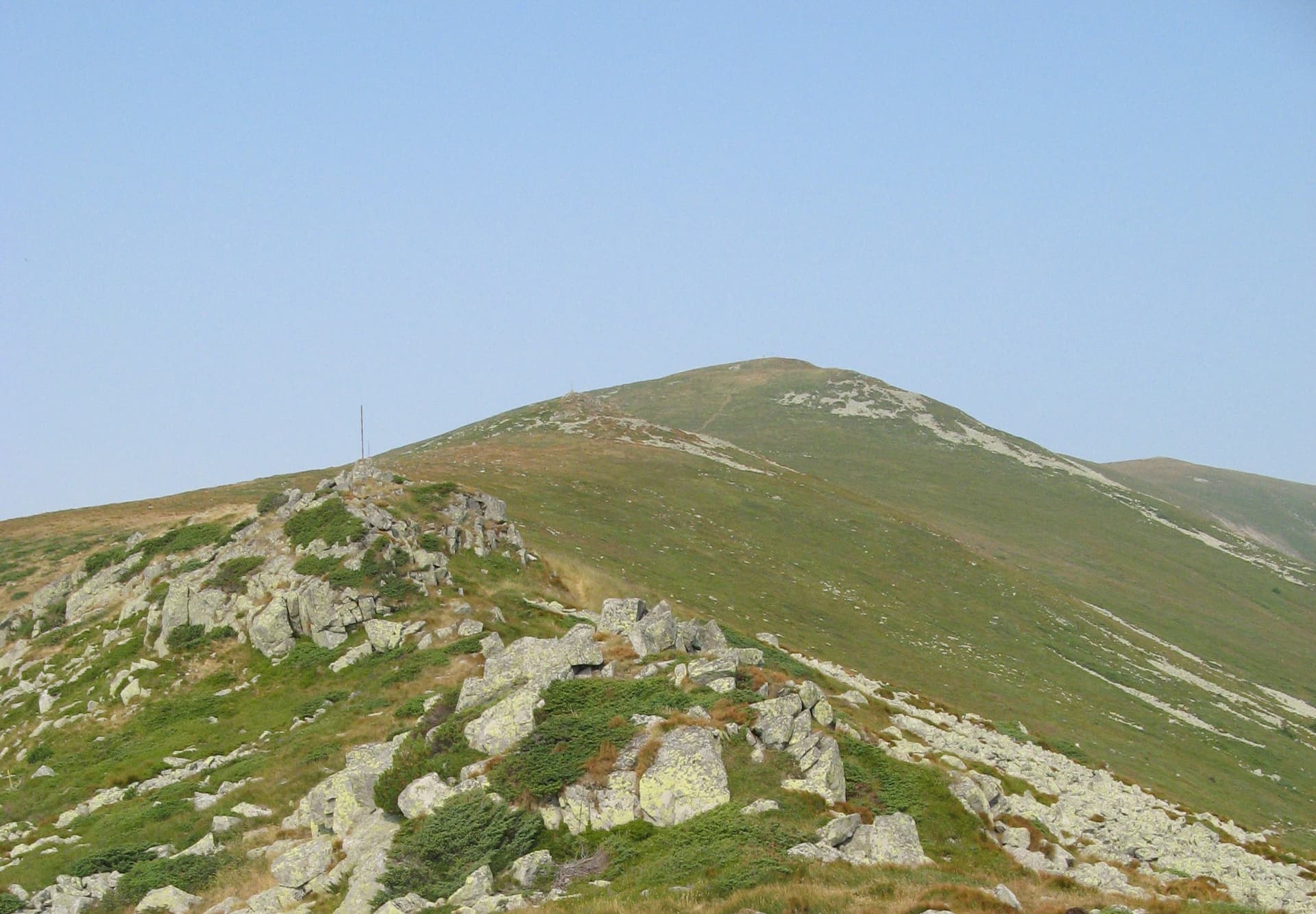
- The trail from Klisura to Yumruka peak — the start is about 4 km away.
- Vezhen peak — about 7 km in a straight line.
- The house museums of Koprivshtitsa — about 10 km in a straight line.