MestalaMestala
HomePlacesMapTripBlogAboutFAQ
EN|БГ

Discover Bulgaria with Mestala.

AboutFAQLicensePrivacy
Kamchia Reserve
TrailsVarna

Kamchia Reserve

HomePlacesTrailsKamchia Reserve
Elevation: 0 mCoordinates: 43.00597, 27.86634View on OpenStreetMap

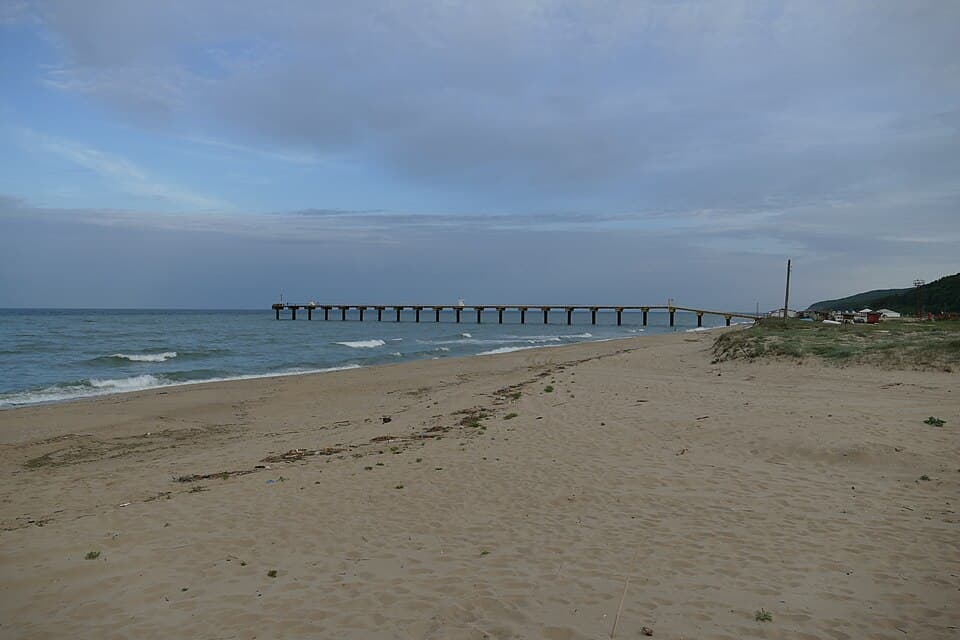
Kamchia is a unique and globally renowned nature reserve located in Eastern Bulgaria, positioned along the lower course of the matching Kamchia River. It was officially declared a protected territory by a designated Decree issued on June 29, 1951, by the historical Ministry of Forests. Due to its outstanding conservation, scientific, and ecological significance, during the extended chronological timeline spanning from 1977 to 2017, the reserve was integrated into the prestigious global network of biosphere reserves under the Man and the Biosphere program managed by UNESCO, engineered for the long-term protection of the planet's most representative ecosystems. In 2020, the reserve was officially excluded from this international framework. The initial resolution for this exclusion was enacted by the National Committee for Man and the Biosphere in September 2016, following explicit negative evaluations and reports submitted by the municipalities of Dolni Chiflik and Avren, upon whose shared administrative-geographical territories the boundaries of the reserve position. The primary state objective governing the reserve is the complete stabilization and preservation of the authentic structure and natural evolution of the unique alluvial longoz forests along the lower course of the river. Characteristics and Flora Assets of the Longoz Forest The specific periodically flooded dense forest in the region is designated as longoz, and the core purpose of the reserve is to safeguard its primary wild appearance, which strongly resembles an equatorial rainforest inside Europe. The forest massif displays monumental dimensions, with the dense tree canopy reaching an impressive 50 meters in vertical height at specific humid sectors. Within the structure of the longoz forest, scientists have thoroughly mapped approximately 40 distinct species of trees. Present among them are Pedunculate oak, Alder, White poplar, Wild pear, Willow, South European flowering ash, and an array of other variants, though the overall composition is heavily dominated by Field elm and Field ash. A major portion of the ancient trees in the core of the reserve exceeds a biological age of 150 years, maintaining an average canopy height of over 35 meters. The shrub layer is densely populated by European blackberry, Hawthorn, Rosehip, Cornel dogwood, Hazel, and wild ivy. Holding particular structural weight for the authentic silhouette of the jungle are the climbing lianas, which drape in heavy, massive curtains over the most humid and shaded recesses. They are represented predominantly by Clematis vitalba, Wild grape, and Mistletoe. The humid territory of the reserve also hosts one of the largest and most pristine wild populations of the medicinal Summer snowflake (Leucojum aestivum) within the Republic of Bulgaria, while the slow-moving river channels foster delicate white water lilies, yellow water-lilies, and other rare aquatic plants. Rich Faunal World and Biodiversity Profile The ecosystem of the Kamchia Reserve provides critical feeding grounds and shelter for hundreds of vertebrate and invertebrate species, with a total of 47 vertebrate species originating from the reserve's fauna inscribed in the national Red Data Book of Bulgaria. Distribution of the Wildlife Profile Across Main Biological Groups: Mammals Large mammals live and reproduce securely within the ancient forest tracks, incorporating Red deer, Roe deer, Wild boar, Red fox, European badger, Golden jackal, and European wildcat. Across the reserve's parameters, 26 distinct species of small mammals have been scientifically verified and documented. Holding exceptional interest for zoologists is the European pine vole, which typically inhabits deciduous mountain forests in Bulgaria at elevations exceeding 800 meters. Along the entire Bulgarian Black Sea coast, this species is isolated and recorded exclusively inside the specific microclimates of Kamchia and Ropotamo. Another highly critical species in terms of global conservation metrics is the Eurasian otter (Lutra lutra), which is strictly protected under the IUCN Red List and the Bern Convention. Birds The territory of the reserve operates as an ornithological hub of global magnitude, hosting 258 officially verified species of birds. This impressive metric constitutes 66 percent of all bird species ever recorded across the Republic of Bulgaria. Among them, 56 distinct species are listed with strict protection statuses inside the Red Data Book of Bulgaria. The Kamchia Reserve stands as the only verified wintering ground in the country for the rare Common pochard. Recorded within the protected zone are 118 bird species displaying an unfavorable European conservation status tracking the international metrics developed by BirdLife International, with 32 of these species nesting actively inside the forest canopy. Among the rarest birds across Bulgaria and Europe breeding successfully within the longoz are the Black stork (Ciconia nigra), Lesser spotted eagle (Aquila pomarina), the swift Eurasian hobby (Falco subbuteo), Northern goshawk (Accipiter gentilis), European honey buzzard (Pernis apivorus), alongside seven of the nine woodpecker species distributed across the European continent. For the stable nesting and reproduction of the Middle spotted woodpecker and the Semi-collared flycatcher, the Kamchia Reserve functions as one of the most critical and vital habitats across all of Europe. Fish and Ichthyofauna The regional fish diversity encompasses approximately 40 species, including 8 specialized species migrating seasonally from the marine waters of the Black Sea. Within the freshwater channel of the Kamchia River alone, 25 separate species of fish are permanently recorded, constituting the vast majority of the overall Bulgarian freshwater ichthyofauna. Seven rare species from the reserve's fish treasury are strictly protected inside the national Red Data Book, highlighted by the Wild carp (Cyprinus carpio), Caucasian dwarf goby (Knipowitschia caucasica), and the Nine-spined stickleback (Pungitius platygaster).

Nearby Places

Shkorpilovtsi
Settlements

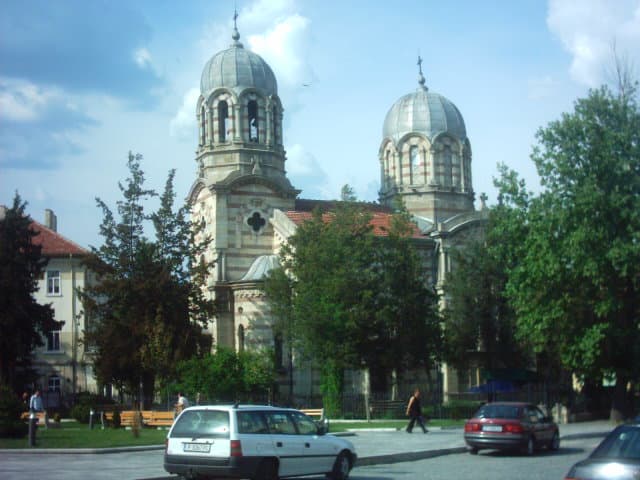
Shkorpilovtsi

Varna

3.9 km away

Byala
Settlements

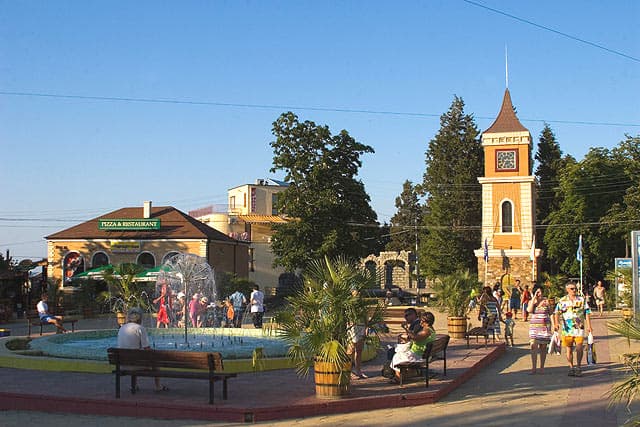
Byala

Varna

14.4 km away

Obzor
Settlements

Obzor

Burgas

20.6 km away

Roman Thermae
Landmarks

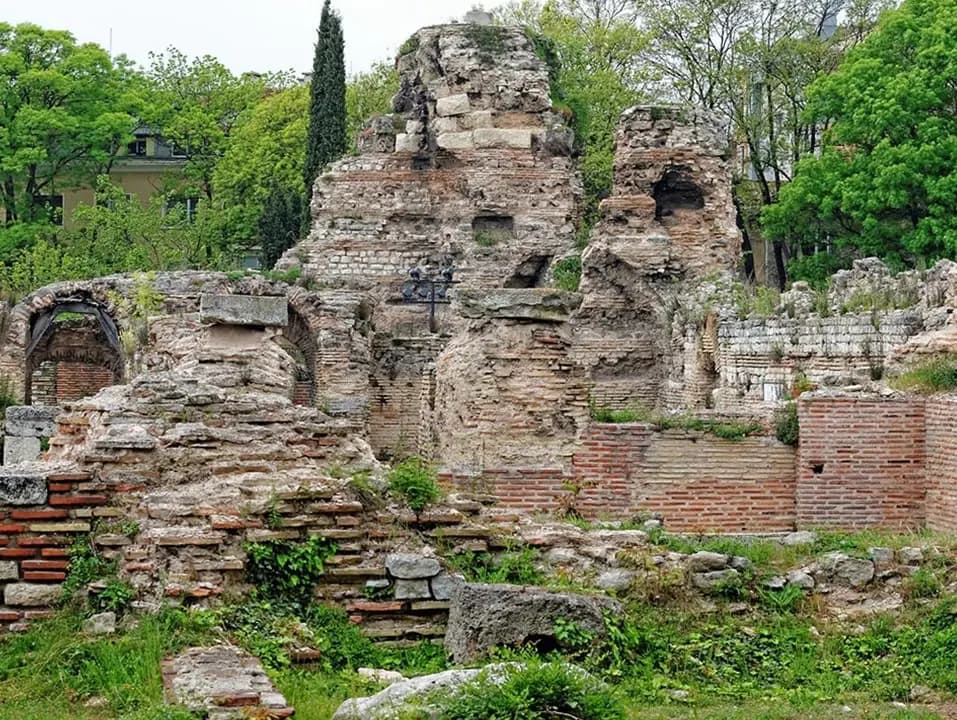
Roman Thermae

Varna

22.0 km away

More to explore

Emen Canyon
Trails

Emen Canyon

Veliko Tarnovo

Vitanovo Reserve
Trails

Vitanovo Reserve

Burgas

Stone mushrooms
Trails

Stone mushrooms

Kardzhali

Eco Trail Kutra
Trails

Eco Trail Kutra

Plovdiv

Read more in our travel guides

The Best Day Trips from Varna: Top Destinations Nearby

The Best Day Trips from Varna: Top Destinations Nearby

Planning a day trip from Varna? Discover the best itineraries: Balchik Palace, Cape Kaliakra, Aladzha Monastery, the Madara Rider, Pliska, and Pobiti Kamani.
19 June 20266 min read
The Ultimate Bulgarian Black Sea Coast Road Trip Itinerary

The Ultimate Bulgarian Black Sea Coast Road Trip Itinerary

Planning a coastal road trip? Discover the complete route from Durankulak to Rezovo: Tyulenovo, Kaliakra, Nessebar, Sozopol, and the spectacular Veleka mouth.

19 June 20267 min read

Frequently asked questions

Where is Kamchia Reserve located?

Kamchia Reserve is located in Varna, Bulgaria.

How do I get to Kamchia Reserve?

Kamchia Reserve is most easily reached by car. Use the coordinates above to navigate, or open the location in OpenStreetMap or your preferred maps app for turn-by-turn directions. Public transport options vary by region — for remote destinations a rental car gives the most flexibility.

What is the best time to visit Kamchia Reserve?

Kamchia Reserve is best walked from May through October, when the trail is clear of snow and weather is generally stable. Summer middays can be hot at lower altitudes — start early. Winter walking requires proper gear and route knowledge.

Is Kamchia Reserve suitable for beginners?

Suitability depends on the specific route. Bulgarian trails range from paved family-friendly paths to multi-day high-mountain crossings. Check the length, elevation gain, and surface before setting off. Sturdy footwear, water, and a basic map (offline or paper) are essential even on short walks.