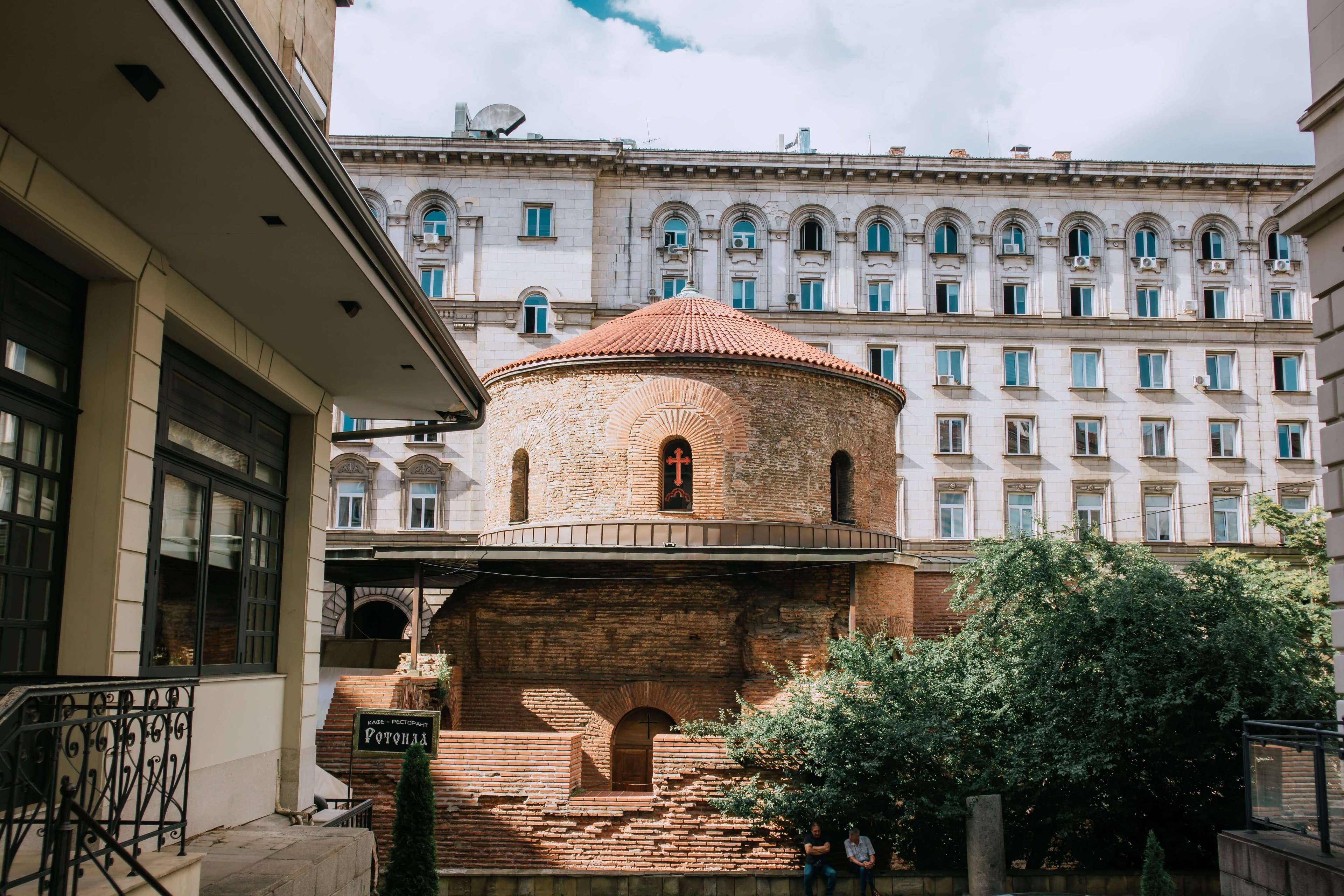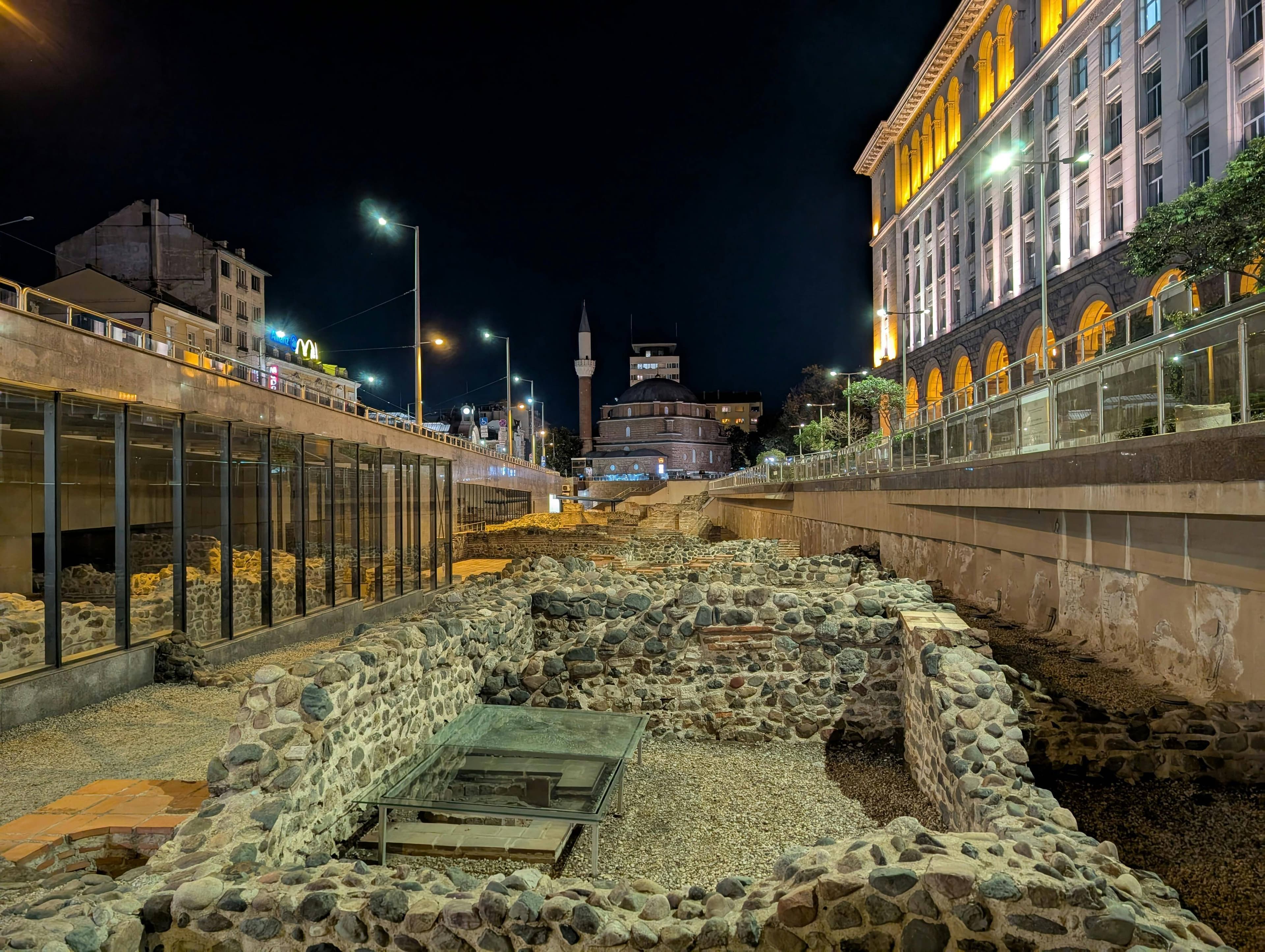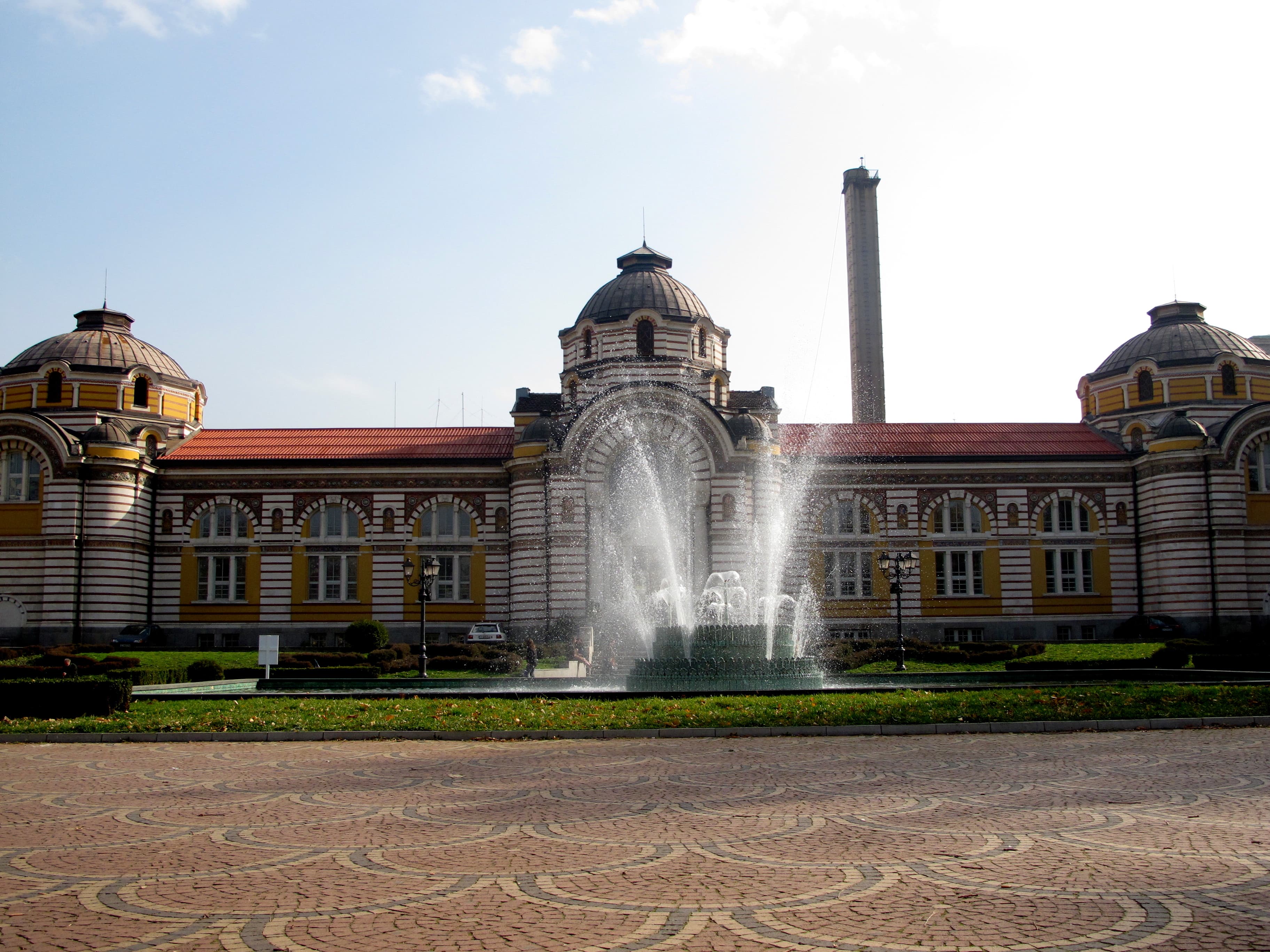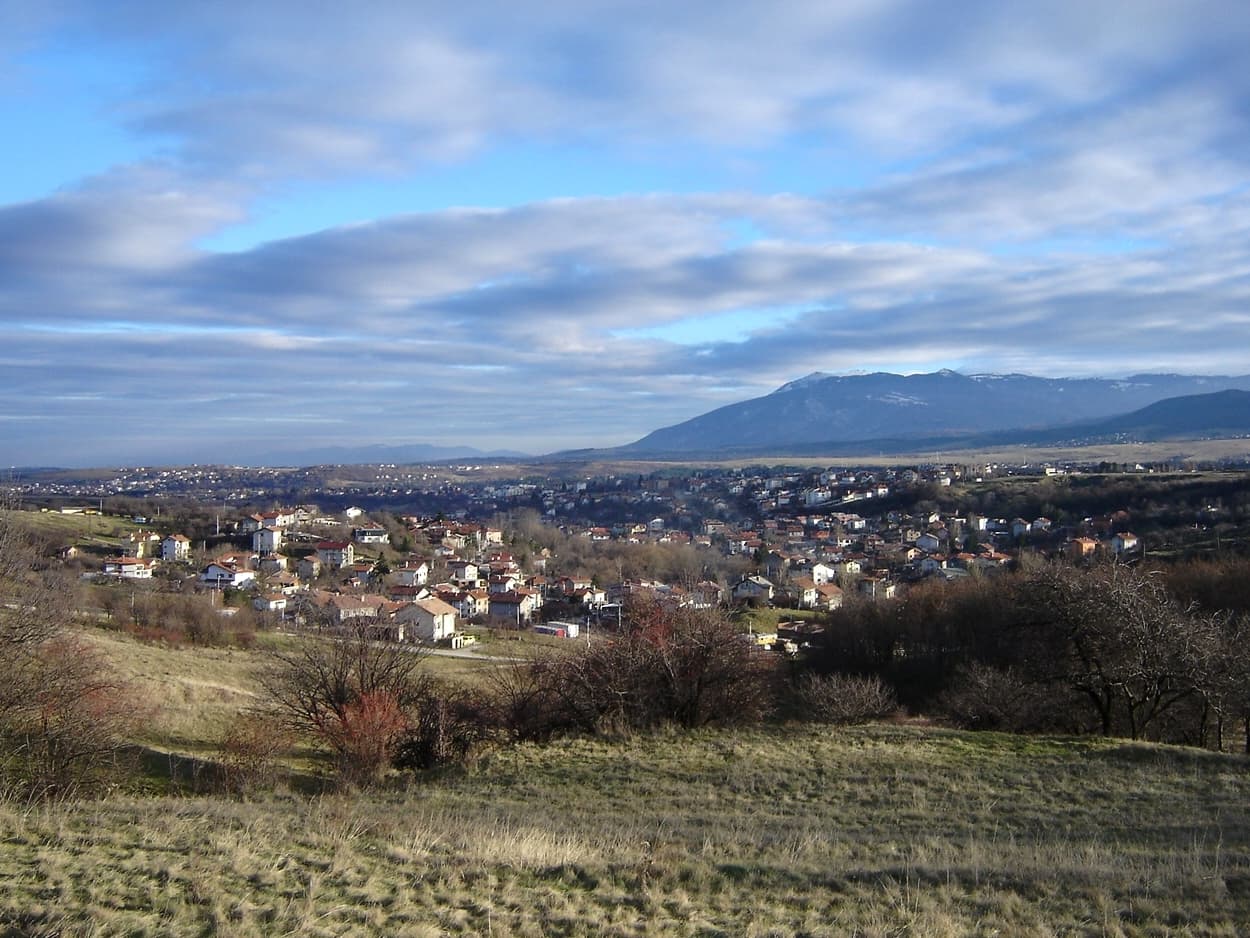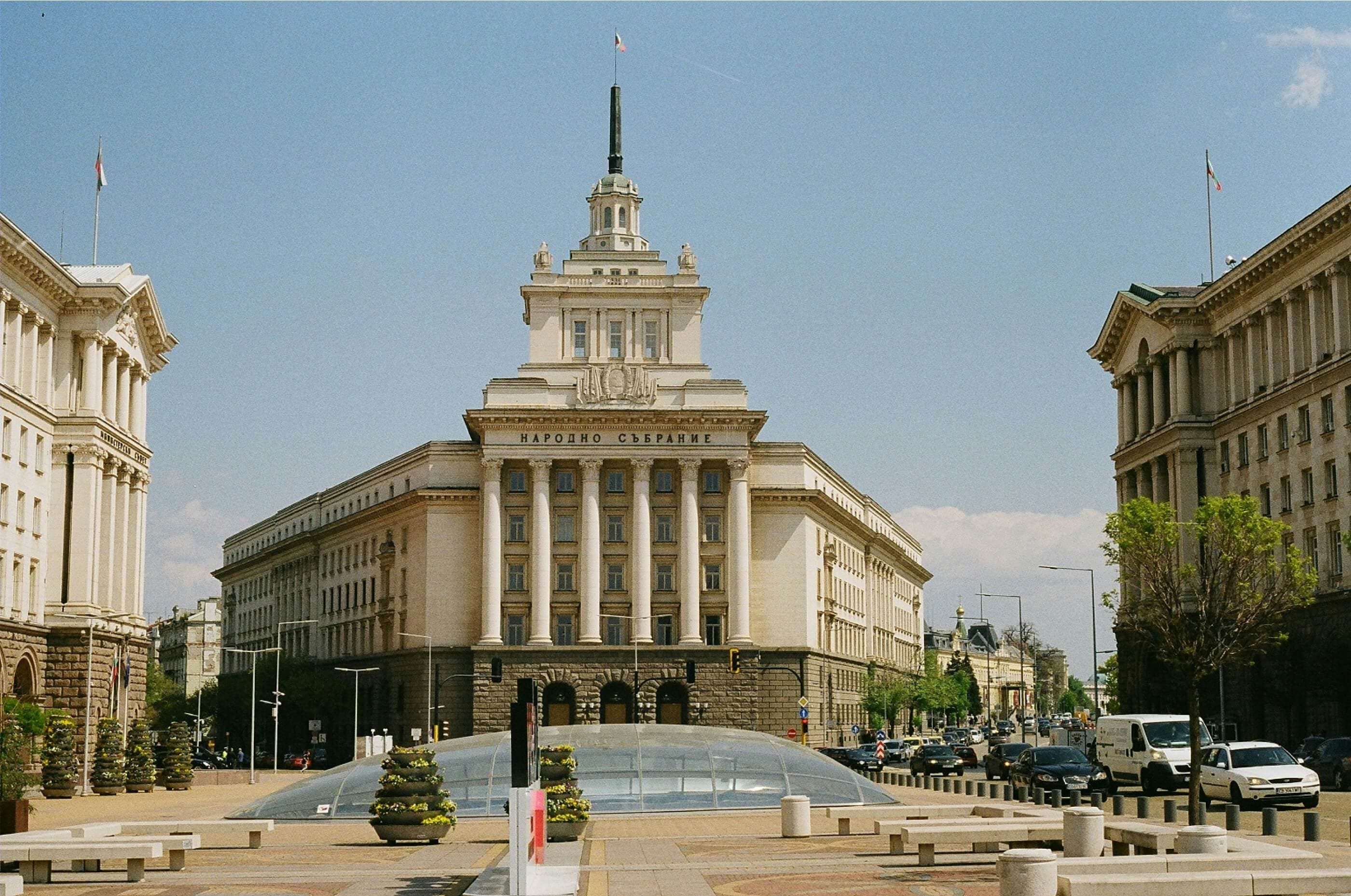
Sofia is the capital and the primary political, economic, cultural, and educational center of the Republic of Bulgaria. Boasting a permanent population of 1 213 134 residents according to official demographic statistics from late 2025, Sofia ranks as the largest city in the nation and holds the 14th position in terms of population size among all urban centers within the European Union. Geographical Location, Topography, and Transport Logistics The city occupies a highly strategic geographical position in the central territory of the Balkan Peninsula. Sofia is nestled within the beautiful Sofia Valley, surrounded by several prominent mountain ranges, which represents the largest and one of the highest high-altitude fields among the Sub-Balkan valleys. The settlement commands a central logistical position on the Balkans, linked to the rest of the peninsula via several historic highways: - To the East: The route cutting through the Vakarel Mountain provides direct transport links to Thrace and the city of Constantinople (Istanbul). - To the West: The Dragoman Pass secures transit to Belgrade and Central Europe. - To the South: The Struma River valley accommodates infrastructure leading directly to Greece and the Republic of North Macedonia. - To the North: Several mountain passes crossing the Balkan Mountains connect the capital with Northern Bulgaria and Romania. Regarding hydrography, the Iskar River flows immediately past the eastern fringes of the urban zone, while several of its minor tributaries run directly through the city quarters. Visible and well-preserved archaeological monuments dating back to the Roman era are fully integrated and protected across many locations in modern downtown Sofia. Historical Timeline and Epochs of Prosperity The earliest written record attesting to organized urban life in the valley dates back to the 2nd century BC, when the settlement operated as the primary city of a regional Thracian tribe. Following expansion by the Roman Empire, it transformed into one of the main heavily fortified centers on the Balkans, serving as a temporary imperial residence for several Roman emperors during the 4th century. The city maintained high strategic, commercial, and spiritual status throughout the Middle Ages within the boundaries of the Bulgarian State. After the 15th century, the urban center experienced a new wave of major economic prosperity, developing into one of the primary logistical and military bases supporting the rear of the Ottoman Empire during its extensive military campaigns into Central Europe. Concurrently with the military and economic decline of the empire starting from the late 17th century, Sofia entered a phase of stagnation. Over the subsequent two centuries, the urban demographics dropped significantly, and numerous medieval architectural landmarks were neglected or entirely abandoned. In 1879, shortly after the Liberation of Bulgaria, the city was officially chosen and proclaimed the capital of the resurrected Bulgarian state. This historic milestone triggered decades of rapid urban growth, modernization, and industrial expansion. Administrative, Industrial, and Cultural Hub Today, Sofia accommodates one sixth of the total industrial and manufacturing production of Bulgaria. The capital houses the nation's supreme administrative, political, and cultural institutions, including the Bulgarian Academy of Sciences and the headquarters of the Bulgarian National Television, the Bulgarian National Radio, and the Bulgarian Telegraph Agency. The city features numerous universities, theaters, modern cinemas, the National Gallery, alongside major archaeological, historical, ethnographic, and natural history museums. The Etymological Evolution of the City Names Serdonpolis and Ulpia Serdica The earliest recorded name of the city preserved in historical texts is Serdonpolis, a Hellenized title whose official Latin equivalent appearing in documents is civitas Serdensium. Historical research accepts that this title translates as city of the Serdi. According to the chronicles of Cassius Dio, the Serdi tribe likely inhabited the territory during the 1st century BC, with written mentions dating from the 2nd century AD. However, within Bulgarian historiography, several scholars express academic skepticism regarding the Serdi, with Academician Alexander Fol noting that this ethnonym remains a phantom, while architect Hristo Genchev poses the question of who named whom - the inhabitants the city, or the city its inhabitants. Multiple scientific hypotheses outline the etymology of the word Serdi. Wilhelm Tomaschek derives the name from the ancient Indo-European word cardh, meaning resilient or stubborn. Professors Stefan Mladenov and Gavril Kazarov derive it from the same root but in the variant cardhas, meaning herd, linking the title to the primary pastoral livelihood of the region. Radu Vulpe proposes that the name stems from the root serd, signifying heart or center, illustrating a direct semantic connection to the subsequent Slavic nomenclature. The Roman Emperor Trajan officially bestowed his paternal family name upon the city, naming it Ulpia Serdica (Latin for Serdican Ulpia). Subsequently, this title was frequently shortened to Serdica. In Greek narrative chronicles, the form Sardiki almost exclusively appears, dominating local epigraphic stone inscriptions as well, while Latin texts consistently utilize the form Serfica. Both variations are stamped across the ancient coins minted by the city during the Roman imperial era. Sredets The title Serdica remained in active administrative use following the incorporation of the city into the boundaries of Bulgaria in the early 9th century, as evidenced by the famous Hambarli Inscription. In later centuries, it was replaced by the Slavic linguistic form Sredets. The earliest documented use of the name Sredets is discovered in two Old Bulgarian apocalyptic texts dating from the late 11th century, although philologists estimate that the title emerged within colloquial speech as early as the 8th and 9th centuries. The name Sredets represents an early medieval Bulgarian reinterpretation of the ancient Sardica, while simultaneously capturing the literal meaning center, describing the central geographical positioning of the city within the Sofia plain. Triaditsa Within Greek Byzantine chronicles written after the second half of the 10th century, the city is heavily recorded under the name Triaditsa, appearing less frequently as Tralitsa. This variation was later adapted into Muhammad al-Idrisi's Arabic geographical study under the name Atralisa. According to mainstream historical consensus, this title is a direct Greek transcription of the Bulgarian Sredets, where the initial sound s was dropped over time. An alternative hypothesis supported by historians such as Vasil Gyuzelev and Veselina Vachkova claims that the name stems directly from the Holy Trinity (Agia Triada), closely associated with the early Christian Church of Saint Sophia. Western and Hungarian Chronicles In Western European chronicles documenting the Crusades during the 11th and 12th centuries, the city is recorded using various transcriptions of Sredets and Triaditsa, including Sternits, Stralits, and Stralicium. Hungarian royal chronicles spanning the 12th to the 14th centuries officially utilize the names Szereduci and Skarbicium. Sofia The modern name Sofia was registered for the first time in an archival document within the postscript to the Sredets Gospel of 1329, though it initially designated the metropolitan church of Saint Sofia itself, recorded as the Sredets Metropolitanate. The entire city was named Sofia for the first time in the Vitosha Charter issued by Tsar Ivan Shishman around 1385, which concurrently mentions the administrative district as Sredets Kephaliate. Over the subsequent years, Sofia became established as the widely used, official name of the capital, though Sredets and the transitional variant Sardakia continued to operate as full synonyms within administrative paperwork. The Public Debate Over the Name Following Liberation Following the Liberation of 1878, by an official decision of the municipal administration, the city restored its historical Bulgarian name Sredets. Shortly thereafter, however, at the insistence of the Temporary Russian Administration, the bureaucratic name Sofia was reinstated. In 1879, a major public dispute erupted regarding the capital's title. Citizens established a dedicated committee of prominent intellectuals and public figures, advocating for the permanent restoration of the historic title Sredets. This campaign was supported by the Bulgarian Literary Society (today's Academy of Sciences), whose official scientific journal between 1882 and 1899 recorded the city of Sredets as its official place of publication. The initial official municipal seal of Sredets after the Liberation also reflected this preference.
Sofia is located in Sofia City, Bulgaria.
Sofia is most easily reached by car. Use the coordinates above to navigate, or open the location in OpenStreetMap or your preferred maps app for turn-by-turn directions. Public transport options vary by region — for remote destinations a rental car gives the most flexibility.
Sofia can be visited year-round, but late spring (May–June) and early autumn (September–October) offer the most pleasant weather and fewer tourists. Summer is the busiest season; winter is the quietest, with shorter daylight and possible cold weather.
Bulgarian settlements typically reward unhurried walking — historic centres, churches and monasteries, local markets, and family-run restaurants serving regional dishes. Larger towns often have museums and seasonal cultural events. The local tourist information centre is a good first stop for current opening hours and what's on.