MestalaMestala
HomePlacesMapMy tripBlogAboutFAQ
EN|БГ

Discover Bulgaria with Mestala.

AboutFAQLicensePrivacy
HomePlacesTrailsZlato Pole Protected Site

Zlato Pole Protected Site

TrailsHaskovoCoordinates: 42.03091, 25.71970
View on OpenStreetMapGet directions

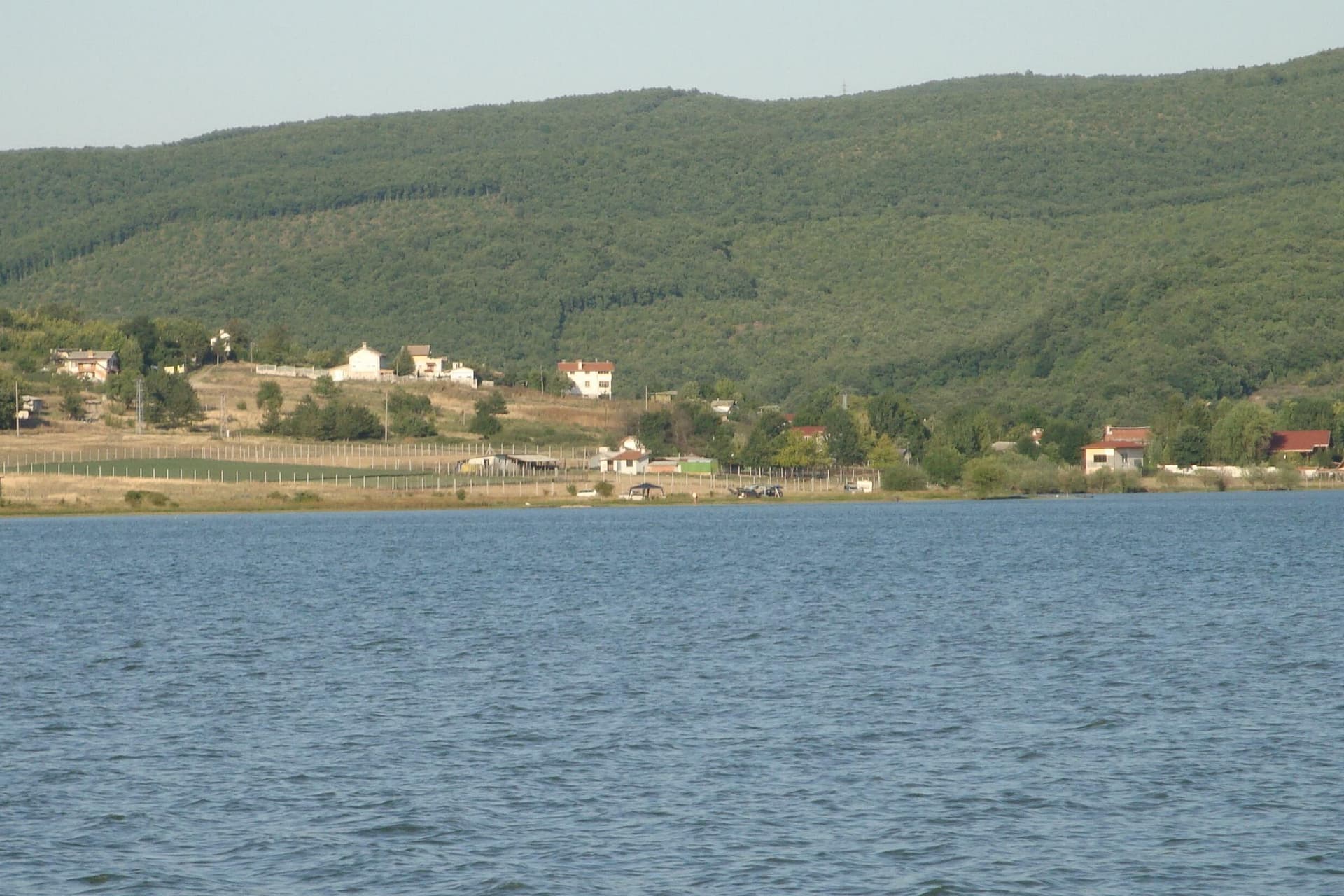
Zlato Pole (Golden Field) is the largest wetland along the Maritsa River and a true biodiversity hotspot in Southern Bulgaria. Located near the village of Zlatopole (Dimitrovgrad municipality), this protected area encompasses the old meanders of the river, now transformed into a sanctuary for rare birds, water lilies, and unique ecosystems. It is a place where the serenity of nature meets the songs of over a hundred bird species.

Biological Diversity and Rare Species

  • A Birdwatcher’s Paradise: Zlato Pole is an internationally recognized Important Bird Area (IBA). It hosts impressive winter congregations of the Pygmy Cormorant (up to 2,000 individuals). The site is also a vital nesting ground for Grey, Little Egret, Squacco, and Night Herons, as well as the globally threatened Ferruginous Duck.
  • Floral Treasures: This is one of the few inland locations in Bulgaria where the beautiful White Water Lily can be found. The area also protects the endemic Anthemis virescens, a plant species unique to Bulgaria.
  • Amphibians: The region supports one of the most stable populations of the Syrian Spadefoot Toad in the country, which utilizes the wetlands for breeding.

Natural Characteristics and Climate

  • The Wetland: Spanning nearly 848 decares, the area is a complex mosaic of water bodies, reed beds, and riverside forests. It is an integral part of the European ecological network Natura 2000.
  • Mild Climate: Situated in the Upper Thracian Plain, Zlato Pole enjoys a transitional continental climate with a Mediterranean influence. The Balkan Mountains act as a natural barrier against cold northern winds, making it a pleasant destination year-round.

Why Visit Zlato Pole?

  • Wildlife Photography and Birdwatching: With its diverse avian inhabitants and scenic views, the area is perfect for photographers and nature enthusiasts.
  • Eco-Education: Zlato Pole serves as an excellent example of habitat restoration, making it an ideal destination for educational trips and sustainable tourism.
  • Riverfront Serenity: A walk along the old riverbeds of the Maritsa offers a peaceful escape into the wild, far from the industrial pace of the city.

7-day forecast

Weather data from MET Norway

Nearby Places

House of Penyo Penev
Museums

House of Penyo Penev

Haskovo region

10.9 km away

Dimitrovgrad
Settlements

Dimitrovgrad

Haskovo region

11.0 km away

Haskovo Regional History Museum
Museums

Haskovo Regional History Museum

Haskovo region

17.3 km away

Haskovo
Settlements

Haskovo

Haskovo region

17.3 km away

More to explore

Paleokastro
Trails

Paleokastro

Haskovo region

Mezek Eco Trail
Trails

Mezek Eco Trail

Haskovo region

Kupena Eco Trail (Sarnitsa)
Trails

Kupena Eco Trail (Sarnitsa)

Haskovo region

Seven Rila Lakes
Trails

Seven Rila Lakes

Kyustendil region

Frequently asked questions

Where is Zlato Pole Protected Site located?

Zlato Pole Protected Site is located in Haskovo, Bulgaria.

How do I get to Zlato Pole Protected Site?

Zlato Pole Protected Site is most easily reached by car. Use the coordinates above to navigate, or open the location in OpenStreetMap or your preferred maps app for turn-by-turn directions. Public transport options vary by region — for remote destinations a rental car gives the most flexibility.

What is the best time to visit Zlato Pole Protected Site?

Zlato Pole Protected Site is best walked from May through October, when the trail is clear of snow and weather is generally stable. Summer middays can be hot at lower altitudes — start early. Winter walking requires proper gear and route knowledge.

Is Zlato Pole Protected Site suitable for beginners?

Suitability depends on the specific route. Bulgarian trails range from paved family-friendly paths to multi-day high-mountain crossings. Check the length, elevation gain, and surface before setting off. Sturdy footwear, water, and a basic map (offline or paper) are essential even on short walks.