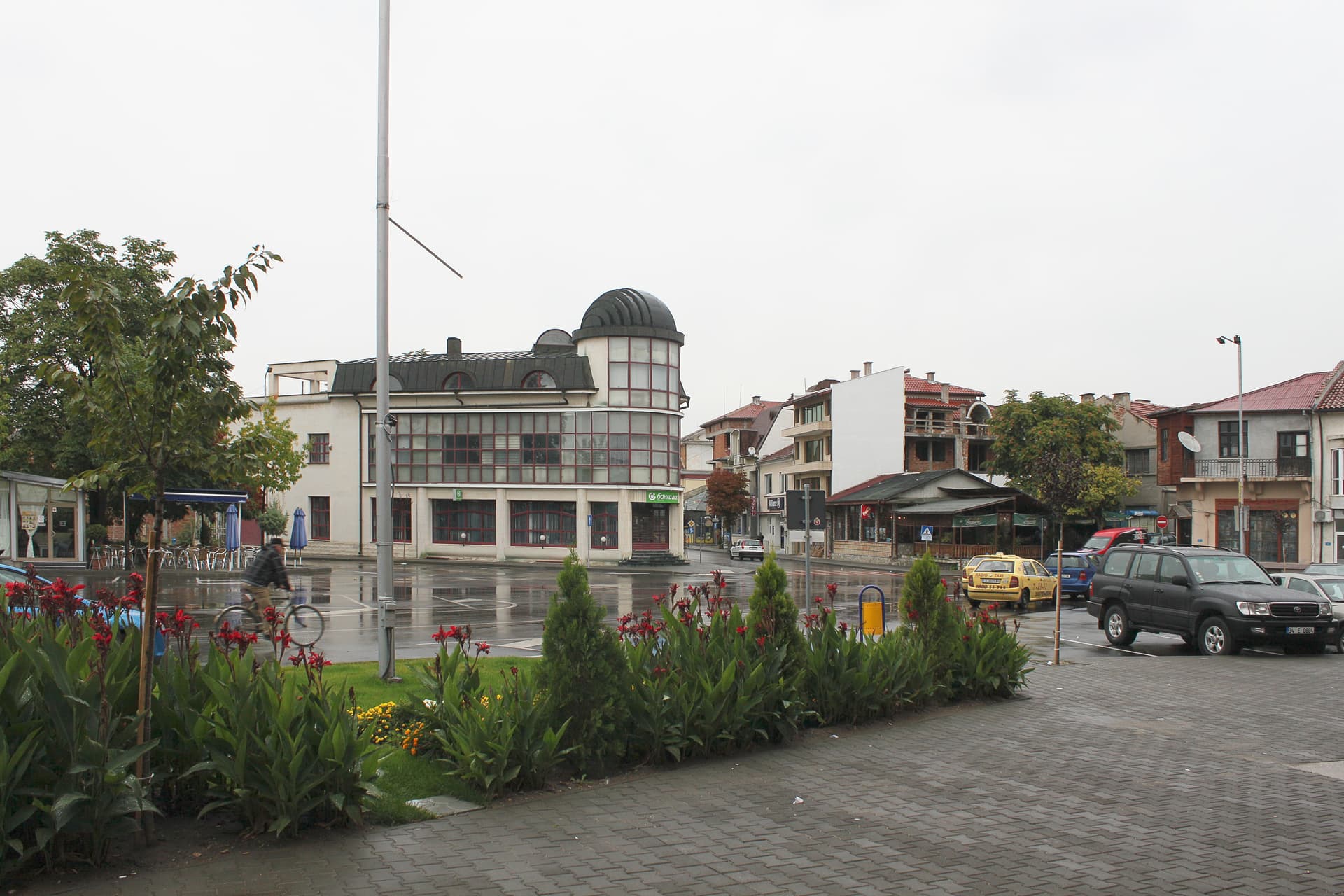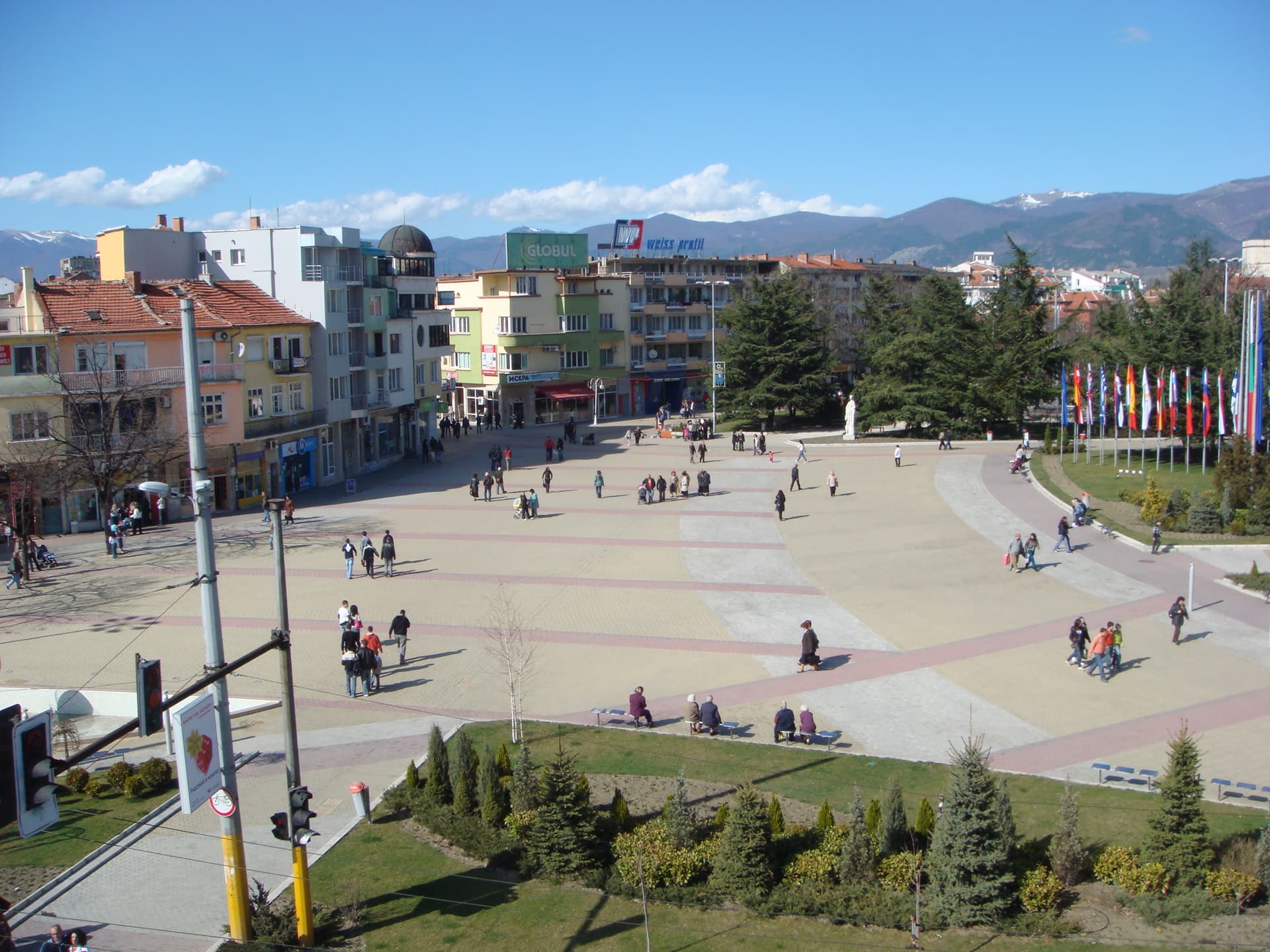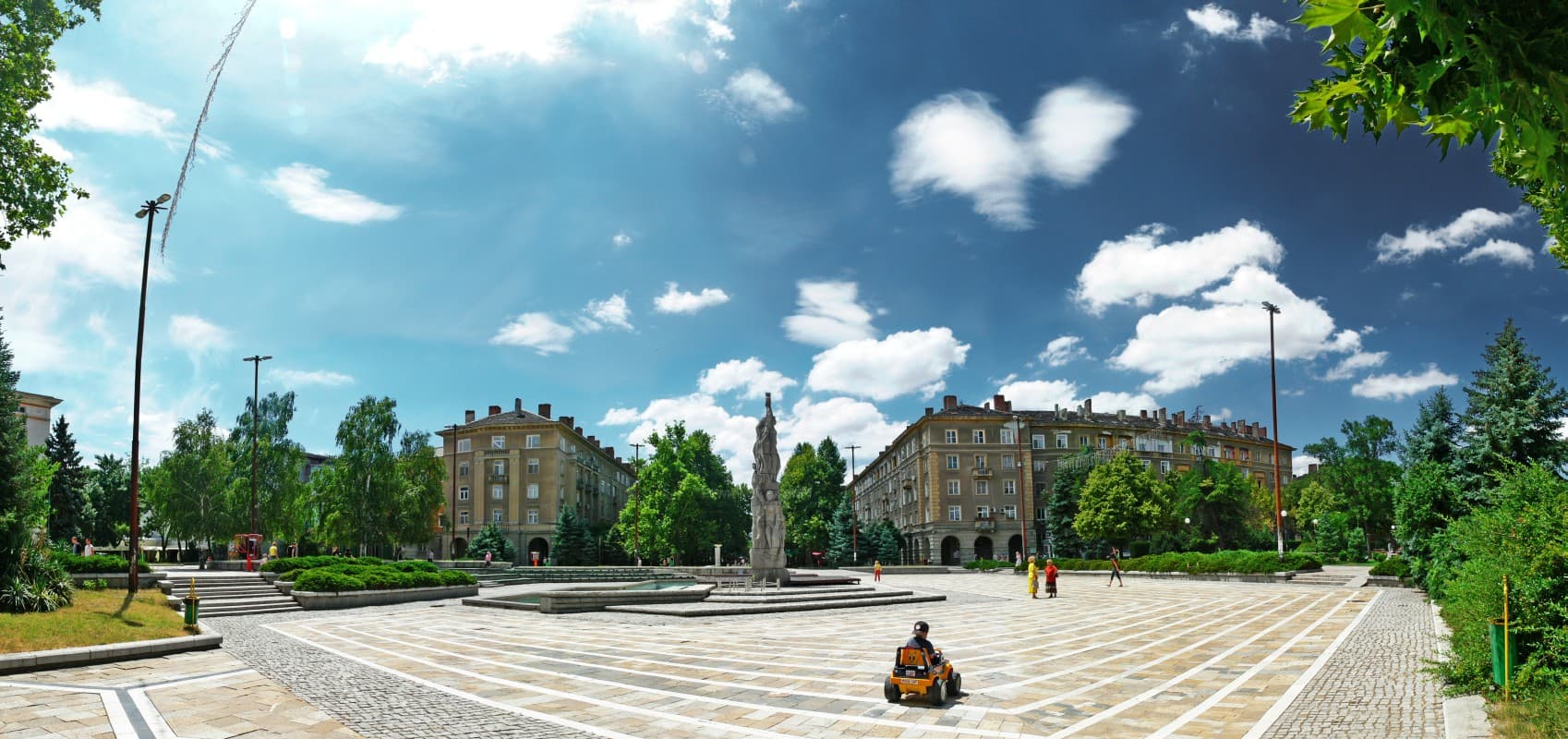
Situated in the fertile Thracian Valley along the Maritsa River, Dimitrovgrad lies just 15 km away from the regional center of Haskovo. It is the third-largest non-provincial city in Bulgaria, outpopulating several official provincial capitals. Dimitrovgrad occupies a unique chapter in modern Bulgarian history, being the country's first entirely pre-planned, built-from-scratch industrial city, erected by the voluntary labor of tens of thousands of young citizens.
Prior to the city’s official founding in 1947, the area consisted of three traditional farming villages: Rakovski, Mariino, and Chernokonevo. The region’s economic transition originally sparked in 1873 with the opening of Baron Hirsch’s historic railway line. By 1941, the industrial framework hardened when the "Granitoid" enterprise established the "Vulkan" cement factory and a thermal power plant next to the local coal mines.
Dimitrovgrad was officially founded on September 2, 1947, merging the three existing villages via a decree signed by Prime Minister Georgi Dimitrov, after whom the city was named. Inspired by the construction models of the Soviet Union, its birth became a symbol of early post-WWII socialist construction:
Dimitrovgrad holds key spots on Bulgaria's map for cultural tourism and hosts two sites included in the 100 National Tourist Sites of Bulgaria:

Haskovo region
0.3 km away
Haskovo region
11.0 km away
Haskovo region
12.5 km away
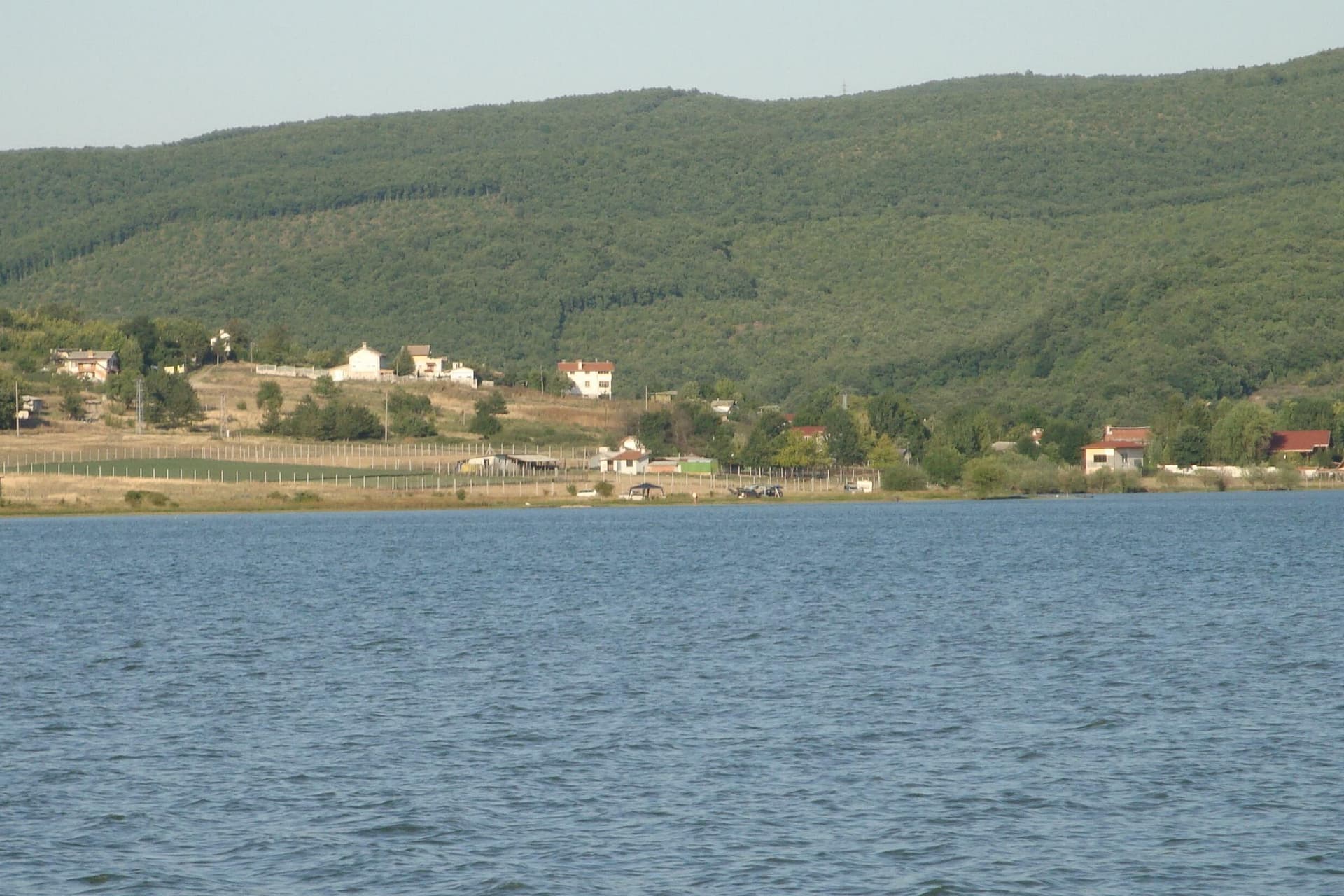
Haskovo region
14.1 km away
Dimitrovgrad is located in Haskovo, Bulgaria.
Dimitrovgrad is most easily reached by car. Use the coordinates above to navigate, or open the location in OpenStreetMap or your preferred maps app for turn-by-turn directions. Public transport options vary by region — for remote destinations a rental car gives the most flexibility.
Dimitrovgrad can be visited year-round, but late spring (May–June) and early autumn (September–October) offer the most pleasant weather and fewer tourists. Summer is the busiest season; winter is the quietest, with shorter daylight and possible cold weather.
Bulgarian settlements typically reward unhurried walking — historic centres, churches and monasteries, local markets, and family-run restaurants serving regional dishes. Larger towns often have museums and seasonal cultural events. The local tourist information centre is a good first stop for current opening hours and what's on.