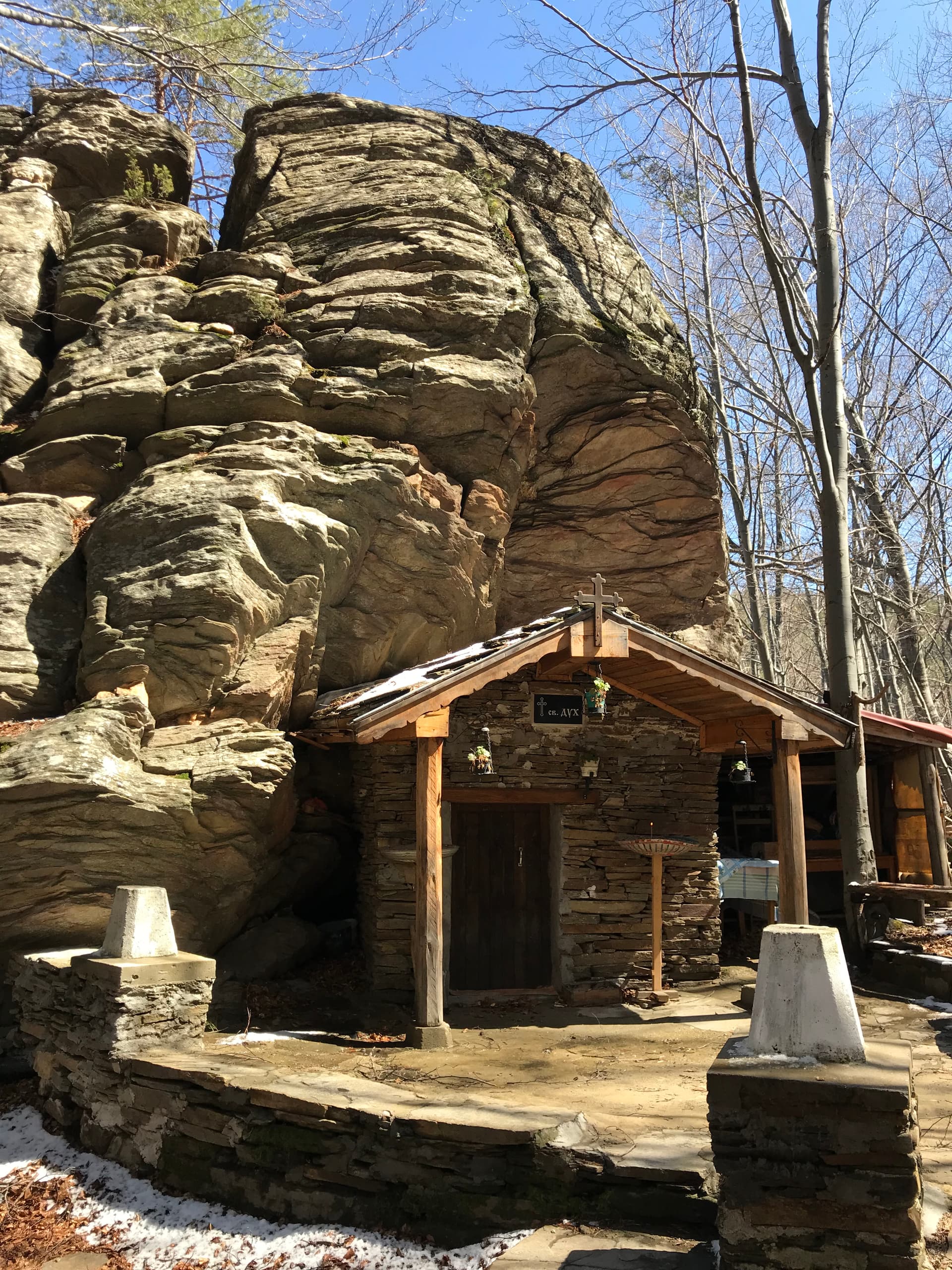
Rising majestically in the picturesque Vratsa Balkan, "Vola" is far more than just a mountain peak – it is a living chronicle of history and one of the most inspiring symbols of Bulgarian freedom. Located in the Vratsa region, this mountain is primarily known as the final resting place of the great poet and revolutionary Hristo Botev. Today, "Vola" attracts thousands of tourists and pilgrims from all over the world who come to pay homage to a heroic past and revel in breathtaking natural beauty.

Vratsa
1.3 km away

Vratsa
2.7 km away
Vratsa
3.0 km away
Vratsa
3.3 km away
Vola is located in Vratsa, Bulgaria.
Vola is most easily reached by car. Use the coordinates above to navigate, or open the location in OpenStreetMap or your preferred maps app for turn-by-turn directions. Public transport options vary by region — for remote destinations a rental car gives the most flexibility.
Late spring through early autumn (May–September) is best for Vola, when trails are clear of snow and weather is most stable. Higher peaks may hold snow into June and see fresh snow as early as October. Winter visits are for experienced mountaineers with proper gear.
Vola reaches an elevation of 1,058 metres above sea level.
Hiking boots, layered clothing, water (1.5–2 L per person), sun protection, and a windproof jacket — mountain weather changes quickly. For longer routes also bring a map (paper or offline), a head torch, and emergency rations. Tell someone your planned route and expected return time.