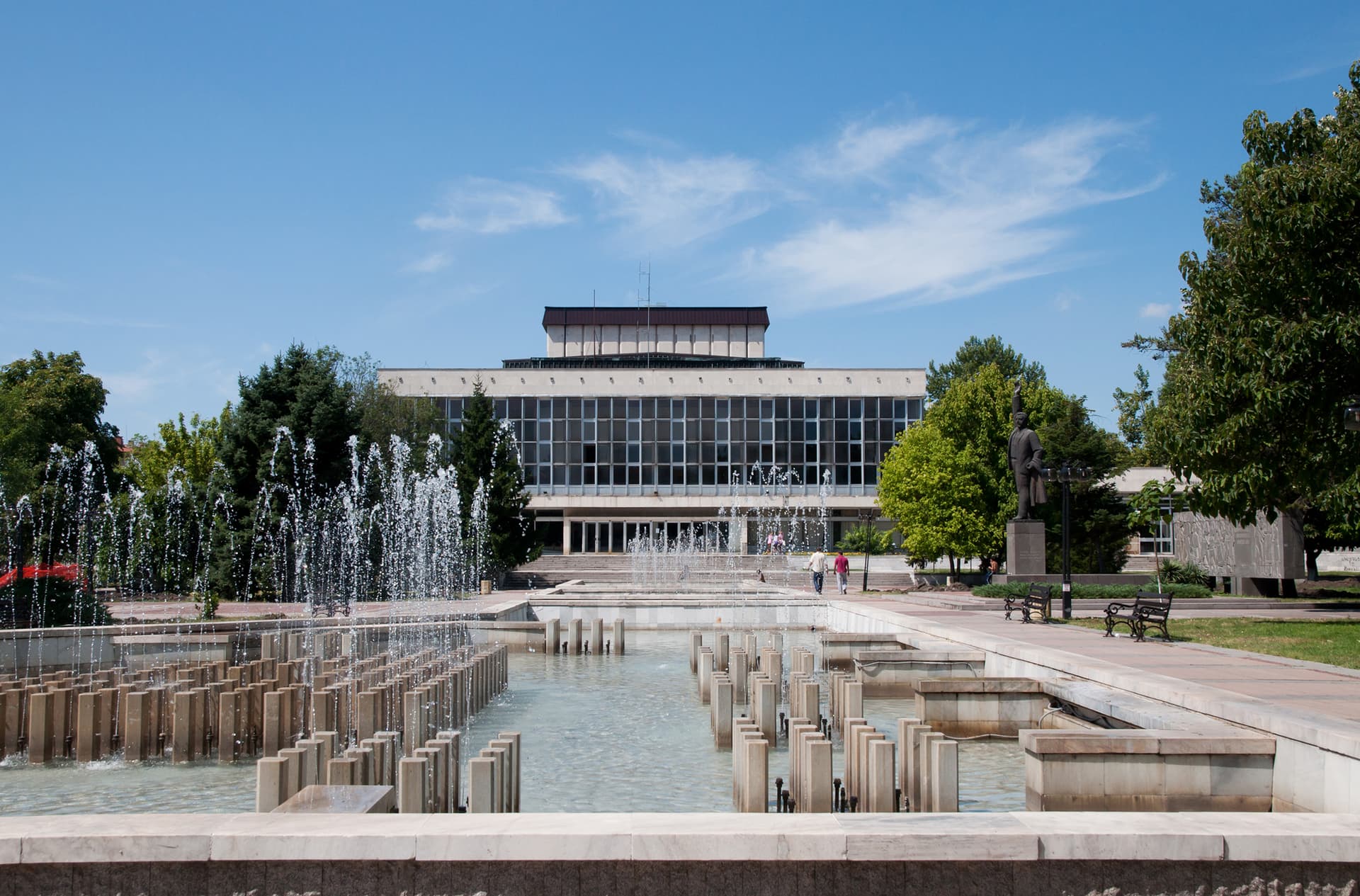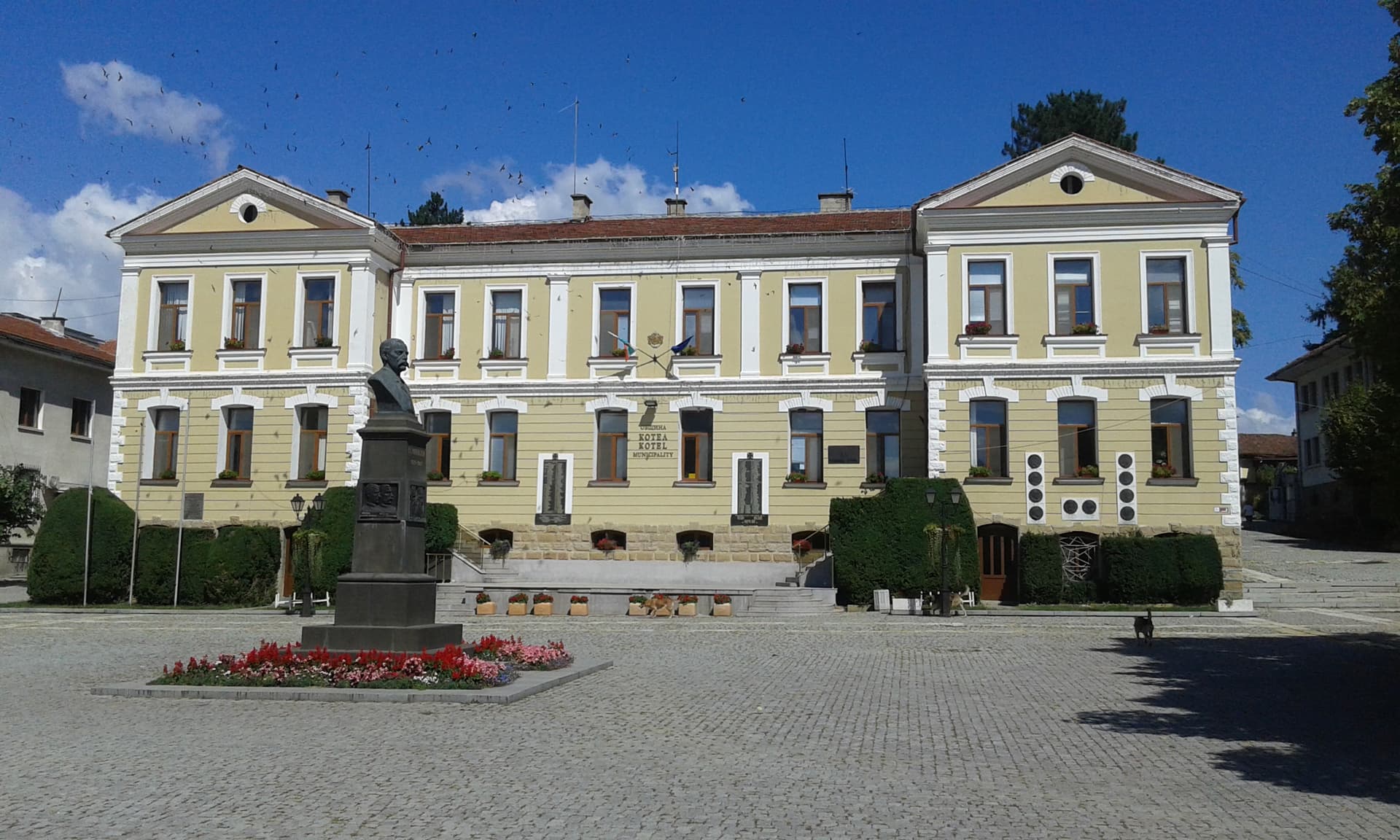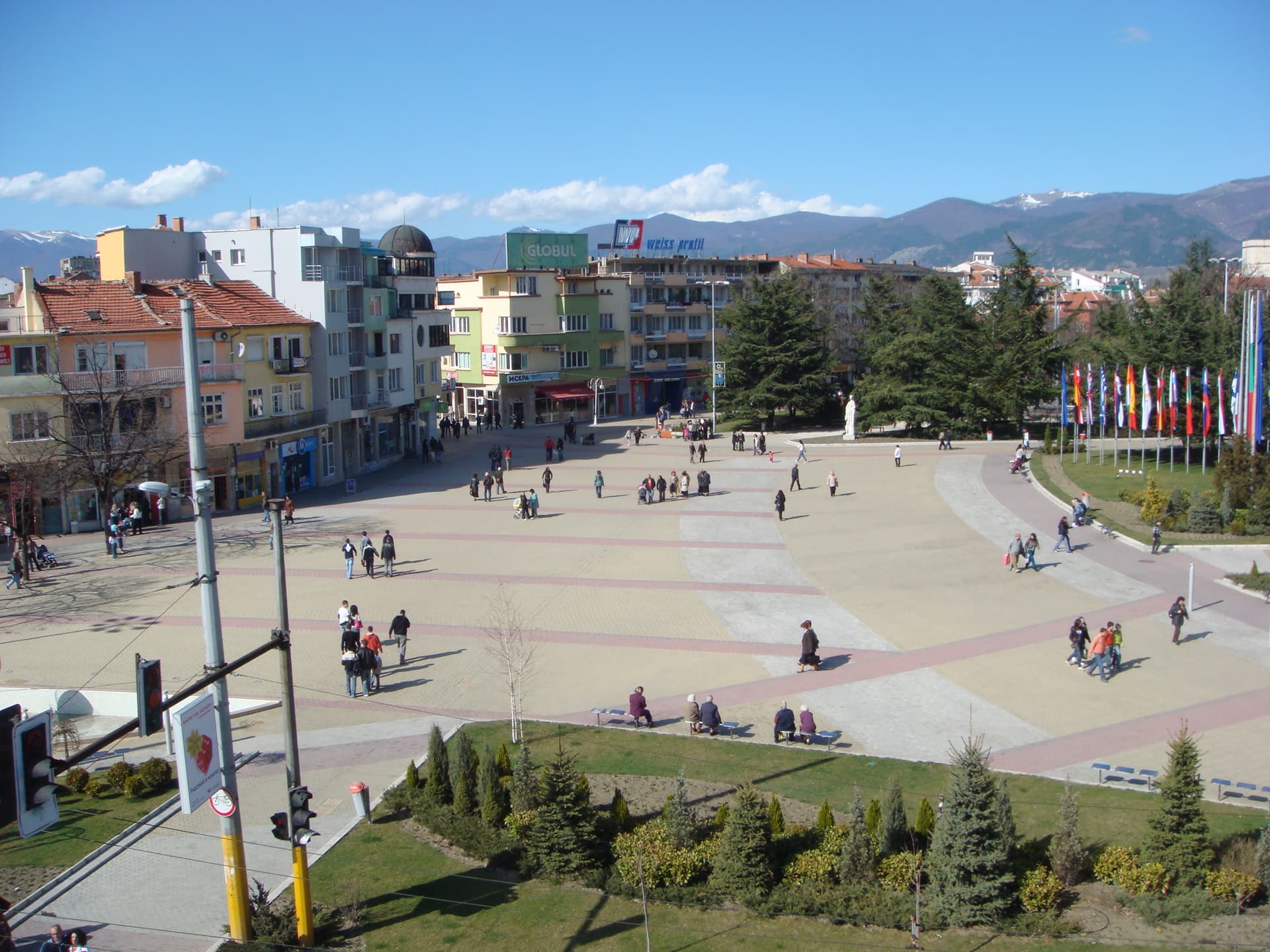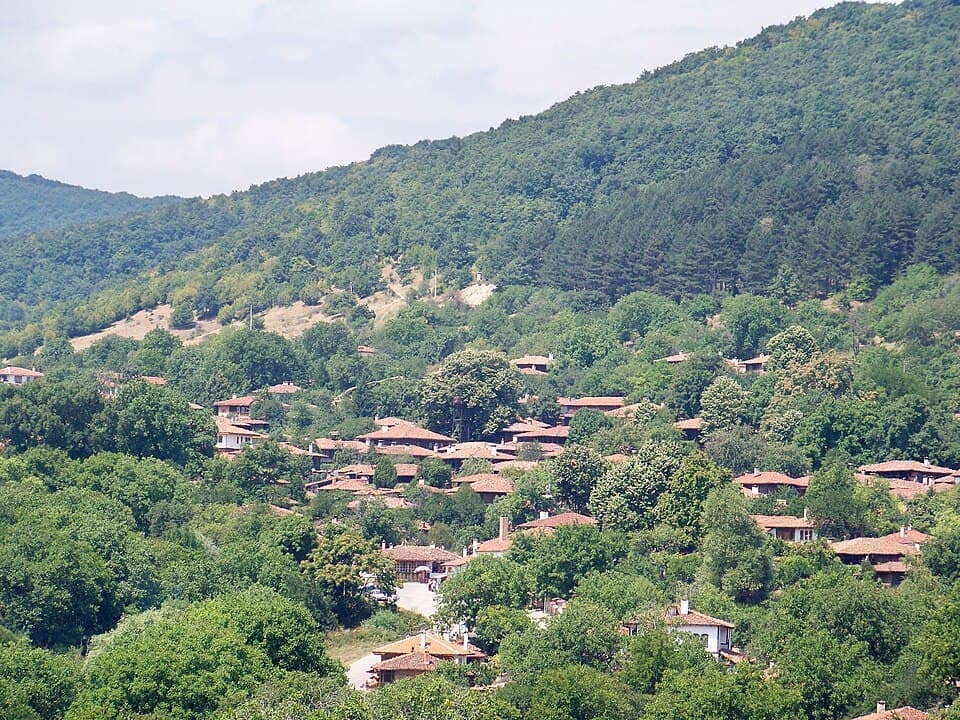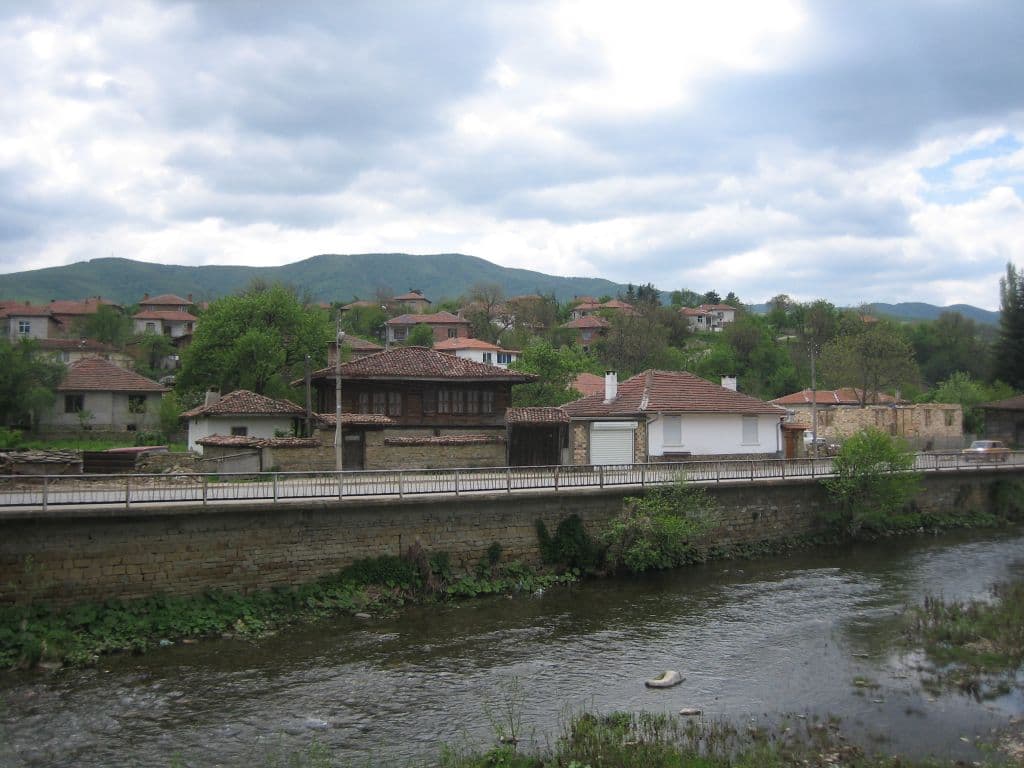
Sliven (historically written as Sliven) is one of the most captivating cities in Southeastern Bulgaria. Ranking as the eighth-largest city in the country, it serves as a major administrative hub. Widely known by its proud nickname The Town of the Hundred Voivodes, Sliven is deeply connected with the history of the Bulgarian Hajduk rebel movement and the struggles for national liberation. As of late 2025, the city boasts a population of 77 832 residents, making it a vibrant cultural and economic center.
The city is nestled at the scenic foothills of the Sliven Mountain, which marks the beginning of the Eastern Balkan Mountains (Stara Planina). The boundaries of the mountain range are defined by the Vratnik Pass and the Sliven Pass. The landscape is characterized by steep, rocky slopes and deep gorges carved by the tributaries of the Tundzha and Luda Kamchia rivers. The highest point in the area is Mount Balgarka, rising to 1181 meters.
The Sliven Valley is the easternmost of the sub-Balkan valleys. An interesting historical fact is that until the first quarter of the 19th century, the Sliven Valley was an integral part of the famous Rose Valley. However, migration waves following the Russo-Turkish wars between 1806 and 1829 led to a decline in rose oil production. Today, just east of the city lies the famous Peach Valley, whose vast fruit orchards underwent major renewal in the 21st century. Three rivers flow directly through Sliven - the Asenovska (also known as Asenovitsa or Korucha), the Manastirska, and the Novoselska, all of which feed into the nearby Tundzha River.
Cultural Heritage and Key Landmarks (The 100 National Tourist Sites)
Sliven is proudly listed under number 54 in the national movement Explore Bulgaria - 100 National Tourist Sites. The city offers a rich variety of cultural and historical stops:
Natural Wonders and Tourism Activities
Situated right north of Sliven, this nature park covers an area of 11 380.1 hectares and was declared a protected territory in 1980. The Blue Stones are famous for their unique rocky landscapes, natural springs, centuries-old forests, and remarkable biodiversity. Many local plant and animal species are listed in the Red Data Book of Bulgaria. The highest peak of the park is Mount Balgarka (1181 m).
Located 10 km from Sliven, Karandila is one of the most popular tourist destinations in the Eastern Balkan Mountains. The area features holiday resorts, a beautiful artificial lake, the Sinite Kamani sports and tourism complex, a TV tower, and a specialized launchpad for hang gliding and paragliding.
Perched on Hisarlaka Hill in the northeastern part of Sliven, the early Byzantine and medieval fortress of Tuida offers stunning panoramic views of the city and the Blue Stones. It played a vital role in the defensive system of the Roman and Byzantine Empires, and later, the medieval Bulgarian state. Today, the fortress is fully conserved and functions as a popular center for cultural tourism and historical reenactments.
At the beginning of the pedestrian zone on Tsar Osvoboditel Boulevard stands the Old Elm (Stariyat Bryast), a magnificent field elm tree estimated to be around 1300 years old. It is a rare surviving remnant of the ancient Great Bulgarian Forest (Silva Magna Bulgarica). In 2014, it was crowned the European Tree of the Year. Although its condition deteriorated in recent years and its main skeletal branches dried up, the Old Elm remains an eternal symbol of Slivens resilient spirit.
Sliven is located in Sliven, Bulgaria.
Sliven is most easily reached by car. Use the coordinates above to navigate, or open the location in OpenStreetMap or your preferred maps app for turn-by-turn directions. Public transport options vary by region — for remote destinations a rental car gives the most flexibility.
Sliven can be visited year-round, but late spring (May–June) and early autumn (September–October) offer the most pleasant weather and fewer tourists. Summer is the busiest season; winter is the quietest, with shorter daylight and possible cold weather.
Bulgarian settlements typically reward unhurried walking — historic centres, churches and monasteries, local markets, and family-run restaurants serving regional dishes. Larger towns often have museums and seasonal cultural events. The local tourist information centre is a good first stop for current opening hours and what's on.