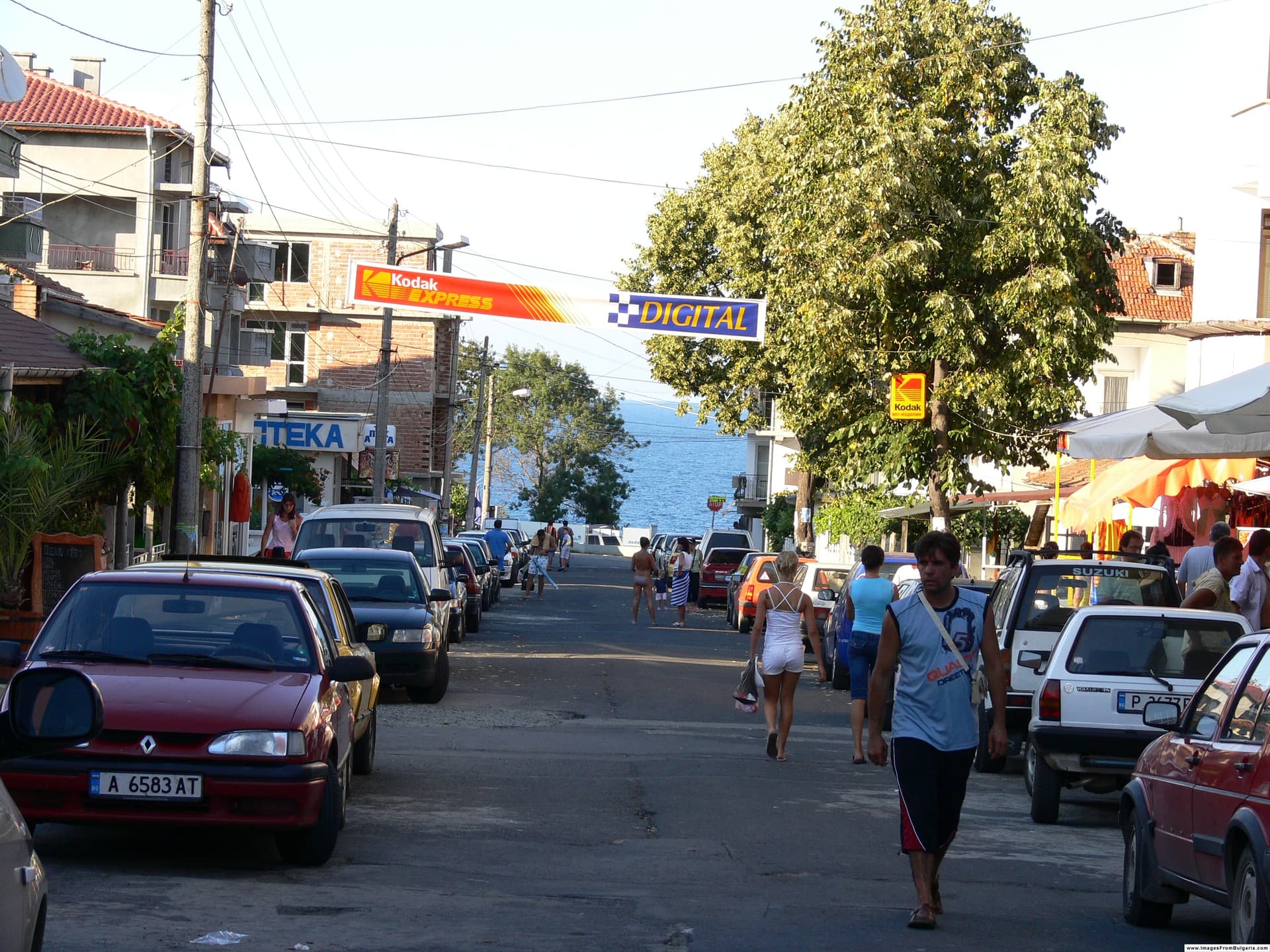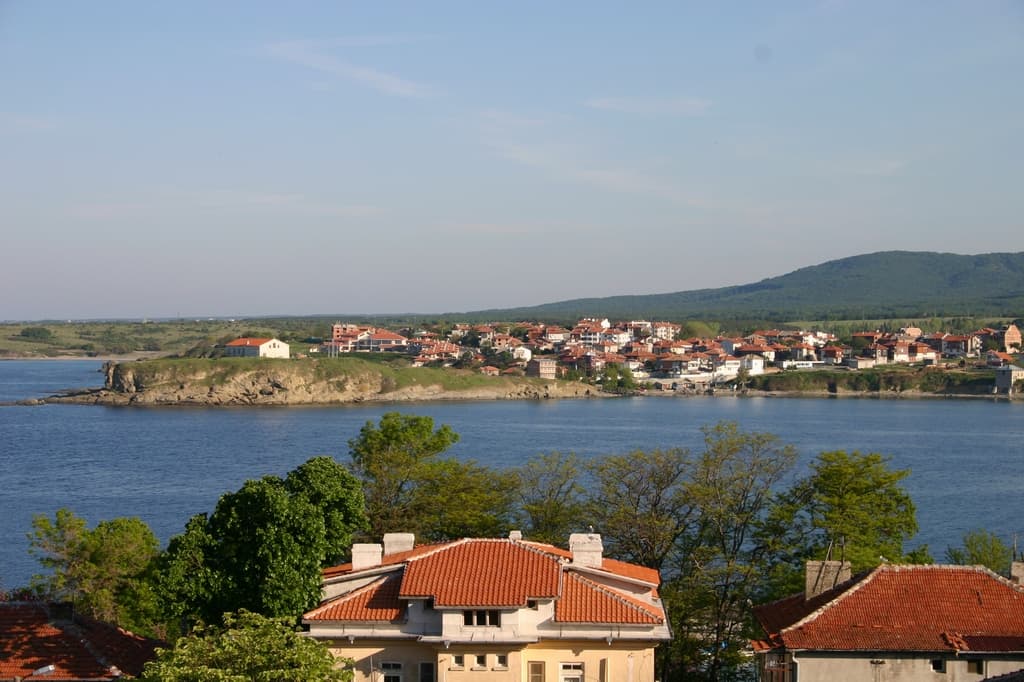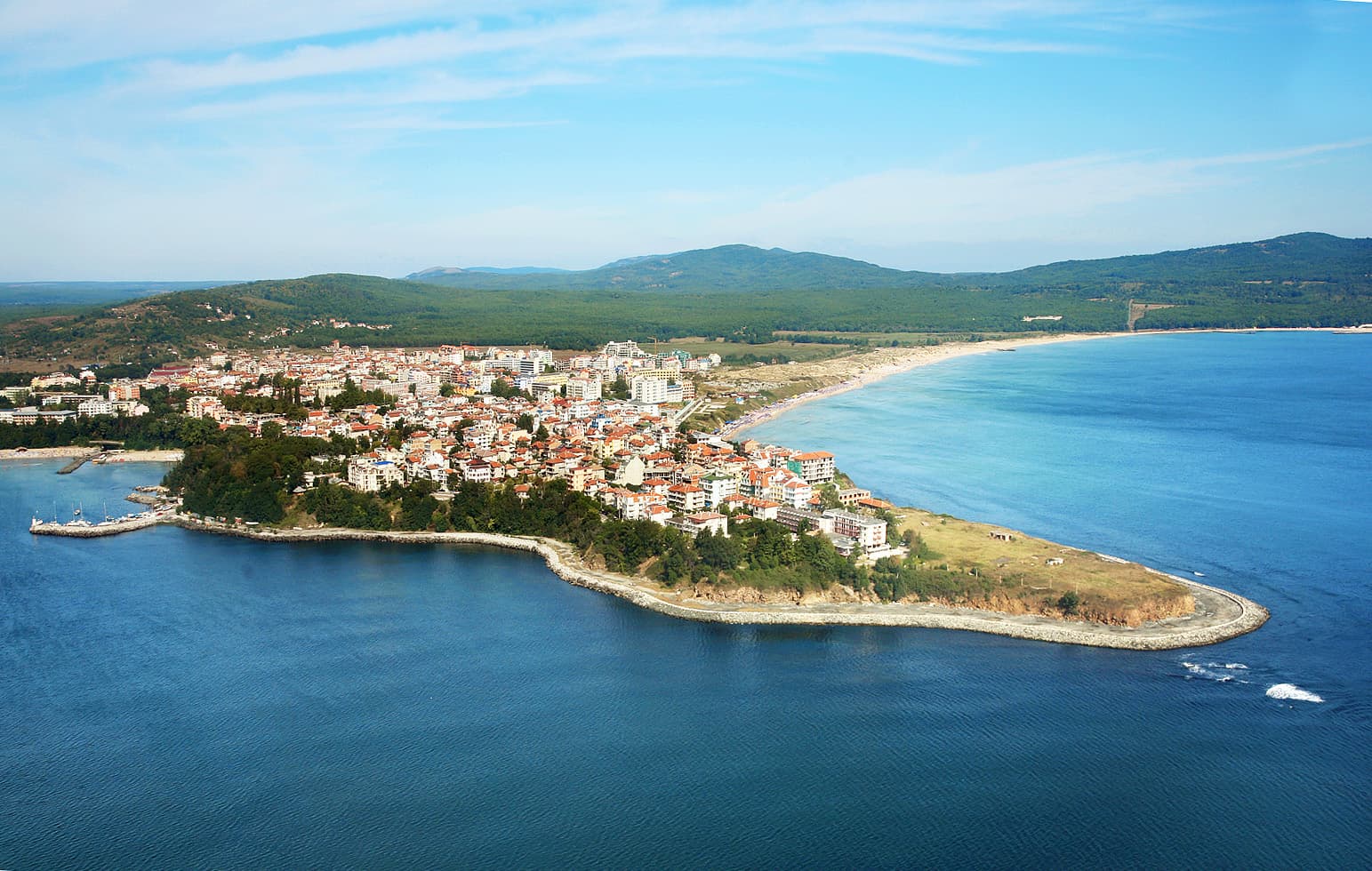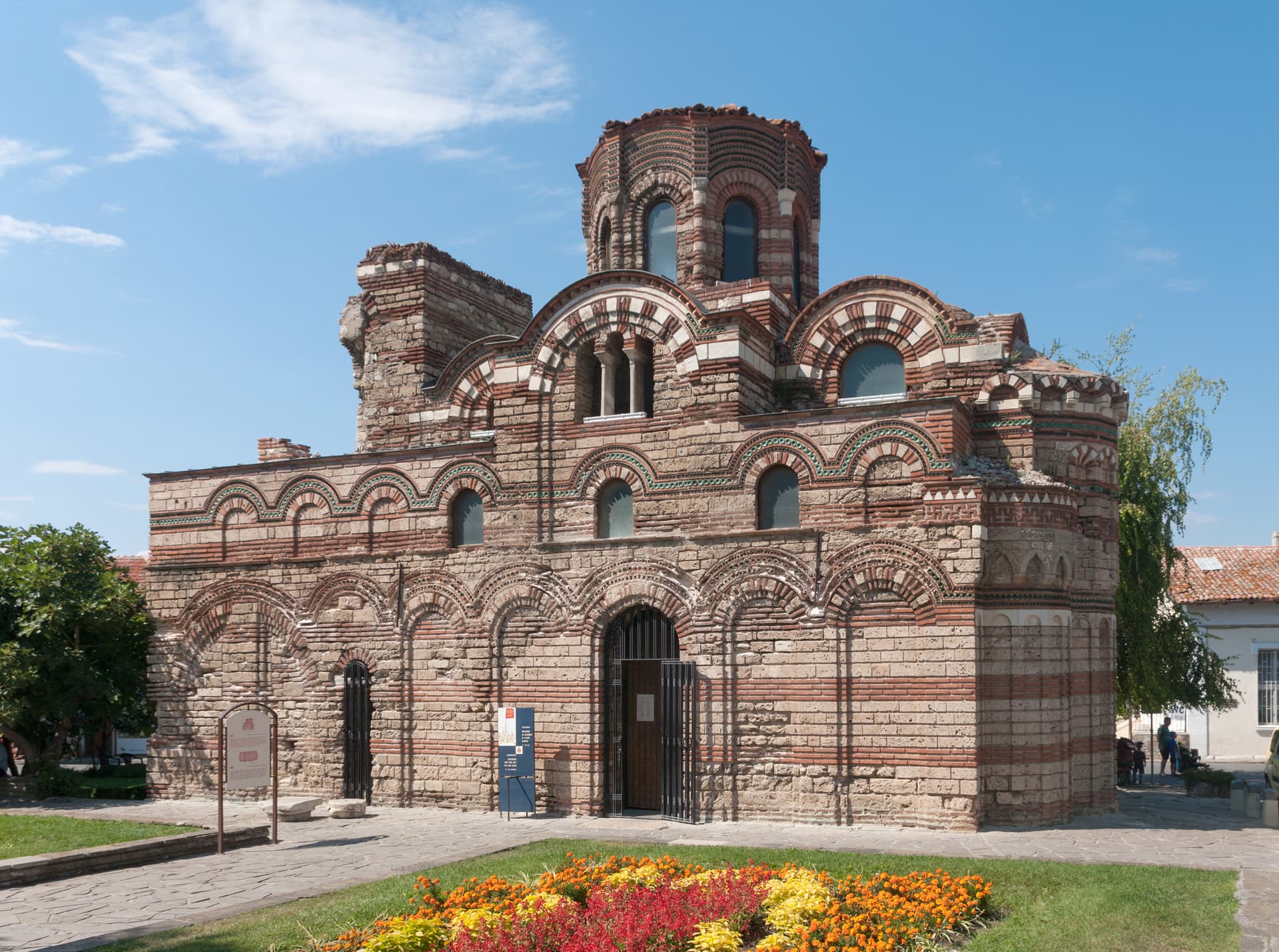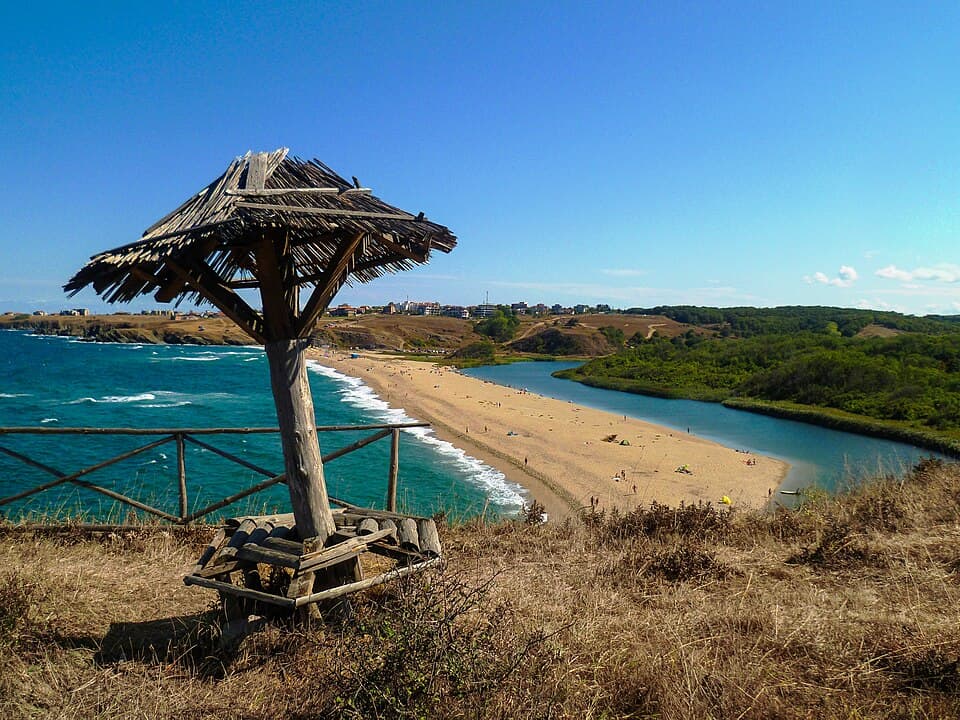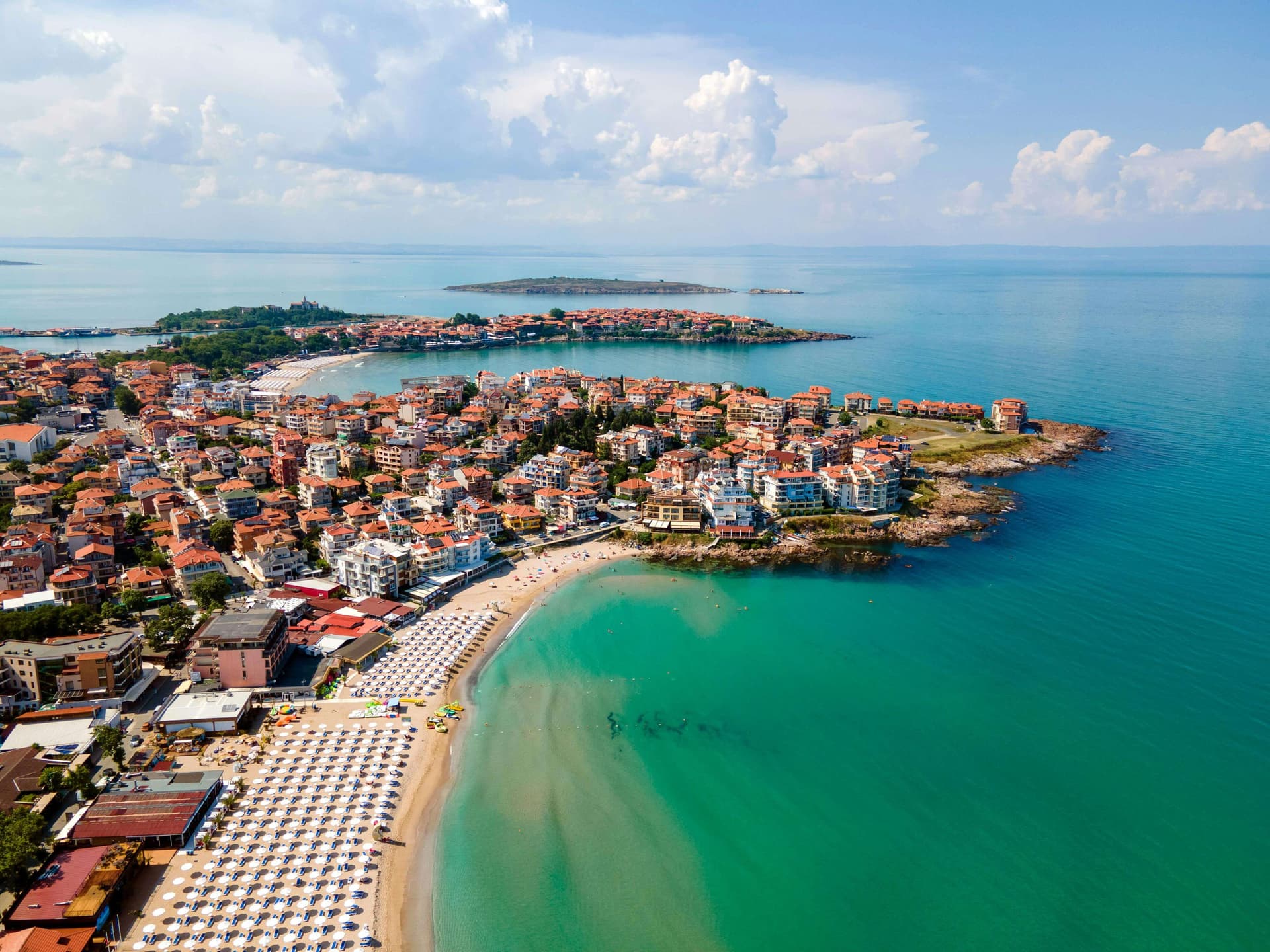

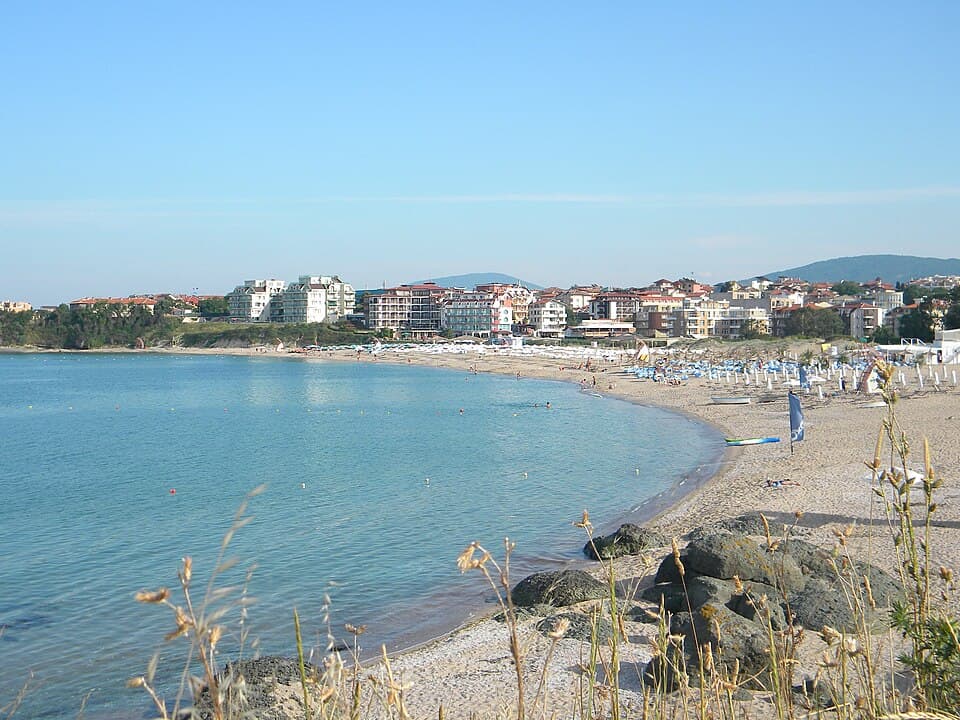
Lozenets is a beautiful, rapidly developing, and highly popular coastal village located in Southeastern Bulgaria, within the Burgas Province. Holding the title of the largest village within the boundaries of the Tsarevo Municipality, it ranks among the very few rural settlements in the country experiencing steady population growth, marking an increase of nearly 30 percent in recent years. Historically, until 1931, the settlement was officially recognized as the residential locality of Embelets (also recorded as Emberler or Ambelits), which operated as part of the town of Vasiliko (modern-day Tsarevo). The name is deeply linked to the beautiful local headland known as Cape Ambelits. Climate, Ecology, and Unique Biodiversity The geographical position of Lozenets provides an exceptional natural blend of fresh semi-mountain climate, coming from the dense forested ridges of the Strandzha Mountain, and mild maritime conditions. Average summer temperatures are remarkably comfortable, shifting between 22 and 25 degrees Celsius during June and September, and staying between 26 and 31 degrees Celsius during the peak season of July and August. Official environmental monitoring conducted by state agencies proves that the sea water around this resort village is among the cleanest along the entire Bulgarian Black Sea coast. The high presence of beneficial minerals such as magnesium, calcium, iodine, and bromine is highly praised by international balneologists and climate-therapy specialists. Among the wild avian life in the region, herring gulls and cormorants are the most widespread and easy to spot. Livelihood, Architecture, and Accommodations The mountain and the Black Sea play a primary role in driving the economic progress of the region. The main livelihood of the local population is heavily tied to international tourism and commercial fishing. Lozenets proudly guards its authentic spirit of a traditional fishing village, regularly supplying a fresh daily catch of Black Sea fish and seafood delicacies to local restaurants and traditional taverns. The architectural profile of the resort is dominated by charming two-story and three-story houses, modern holiday villas, and family-run hotels offering comfortable guest rooms at excellent rates. In the outskirts of the village, two major villa zones featuring scenic beaches are established: Ribarnitsata to the northwest and Tarfa to the southeast. Cultural Landmarks and Nearby Nature Hotspots In the very heart of the village rises the beautiful Orthodox Church of St. George, built entirely through financial donations from local residents and appreciative travelers. Around the central square, the municipality routinely hosts folklore festivals, photo-fiestas, national surfing championships, and open-air concerts featuring Bulgarian and international bands. The official town holiday of Lozenets is celebrated annually on May 6 (St. Georges Day), welcoming the first major wave of tourists for the summer season. Located close to Lozenets, hikers can explore several iconic regional landmarks: - Bear's Hole Cave (Mechata Dupka): Located 1 km northwest of the village, right before Coral Beach. Its name was coined decades ago by old fishermen who discovered a pair of Mediterranean monk seals, historically called sea bears, caught in their nets. - Strandzha Nature Park: A vast protected wilderness area featuring eco-trails and ancient oak forests. - The Veleka, Karaagach, and Dyavolska Rivers: Perfect destinations for river kayaking and freshwater fishing. - Ropotamo Nature Reserve: Situated 15 km from the village, offering daily organized passenger boat excursions along the river canyon. - Begliktash Megalithic Sanctuary: The famous Bulgarian Stonehenge, located within the buffer zone of the Ropotamo Reserve, just 14 km from Lozenets. - Serafimov Family Botanical Garden: Located in the nearby mountain village of Velika, 4 km southwest of Lozenets, showcasing exotic plant species available for purchase. - Rezovo Village, Silistar Bay, and Castricion Fortress: Situated 25 km south, right at the mouth of the Rezovska River, which marks the official border between Bulgaria and Turkey. This is the southernmost point of the Bulgarian coastline. Comprehensive Guide to the Beaches of Lozenets The beaches of Lozenets are famous nationwide for their soft, golden, and remarkably fine sand. The resort features several expansive and secluded beach strips: Central Beach A 700-meter long beach strip, excellently equipped with a managed zone featuring sun umbrellas, lounges, lifeguard stations, seaside restaurants, and lively beach bars. It offers an extensive array of water activities: pedal boats, jet skis, banana boat rides, horseback riding along the surf, and a professional windsurfing school. From the mouth of the local Hadzhi Yani River, travelers can capture beautiful views over the Central Beach and the nearby rocky Ambelits Islands. Coral Camping Beach Situated northwest of the village near the Ribarnitsata locality. It boasts a significantly longer sandy stretch than the Central Beach. Access to this beach is entirely free and wild, with no managed umbrella rows, paid lounges, or noisy jet skis. An alternative surf school operates on the sand, and the area remains a prime destination for free camping among young couples and families. Bear's Hole Beach (Mechata Dupka) Nestled into a small sheltered bay between the Central Beach and Coral Beach. It represents a beautiful natural lagoon with shallow, exceptionally clear, and calm water. Completely free of commercial water craft and loud beach clubs, it features a few local snack bars and is perfect for relaxation, spearfishing, and safe swimming for toddlers and small children. Oasis Camping Beach Located southeast of Lozenets heading toward the town of Tsarevo, within the Tarfa locality. Here, travelers can access a full array of premium beach amenities, water sports, and a certified scuba diving center offering diving excursions for beginners and advanced divers alike. Small Beach (Hacienda) A cozy sandy strip on the far eastern edge of the village, flanked on both sides by dramatic coastal rock formations. It offers sun umbrellas, paid lounges, jet skis, pedal boats, and a premium beach restaurant serving food and refreshing cocktails. Babeshki Beach Situated in the section between the Central Beach and the Small Beach. The terrain features a predominantly rugged, rocky profile and is historically favored by nudist beachgoers. The Beaches of the Tarfa Locality Starting from Albatros Island (the northernmost tip of the Tarfa villa zone) and heading southeast, four specific beaches are sequentially located at short intervals of 100 to 200 meters: Tarfa Rak, Tarfa Kei, Tarfa, and Tarfa Yug. These are unique mussel-shell beaches with clean patches of sand, hidden within small coves between sharp coastal cliffs. The first three beaches are easily accessible via the streets of the villa zone. Walking along the rocky shoreline itself to reach the water is only possible from the Fishing Port to Tarfa Rak Beach, and in the section between the two middle beaches, Tarfa Kei and Tarfa. Reaching the final beach, Tarfa Yug, requires an adventurous approach: the only way to get there is to start from the right edge of Tarfa Beach, enter the sea, and wade for about 10 meters in waist-deep water to round a tall rocky cliff. The largest beach in this area is Tarfa, featuring a shoreline length of 205 meters. Tarfa Rak, Tarfa, and Tarfa Yug operate as popular unofficial nudist zones.

Burgas
4.0 km away

Burgas
5.5 km away
Burgas
8.0 km away

Burgas
8.2 km away
Lozenets is located in Burgas, Bulgaria.
Lozenets is most easily reached by car. Use the coordinates above to navigate, or open the location in OpenStreetMap or your preferred maps app for turn-by-turn directions. Public transport options vary by region — for remote destinations a rental car gives the most flexibility.
Lozenets can be visited year-round, but late spring (May–June) and early autumn (September–October) offer the most pleasant weather and fewer tourists. Summer is the busiest season; winter is the quietest, with shorter daylight and possible cold weather.
Bulgarian settlements typically reward unhurried walking — historic centres, churches and monasteries, local markets, and family-run restaurants serving regional dishes. Larger towns often have museums and seasonal cultural events. The local tourist information centre is a good first stop for current opening hours and what's on.