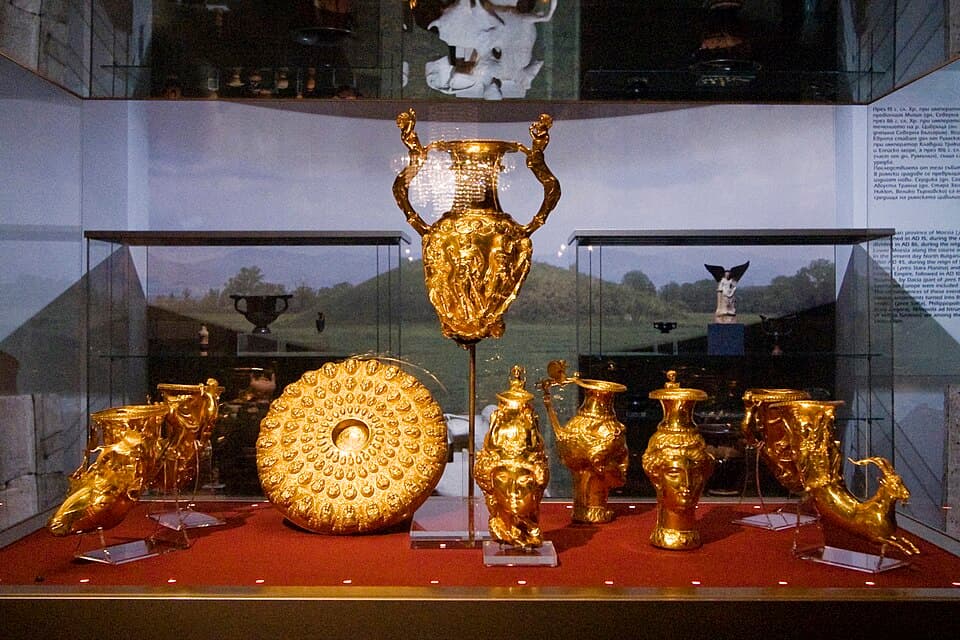
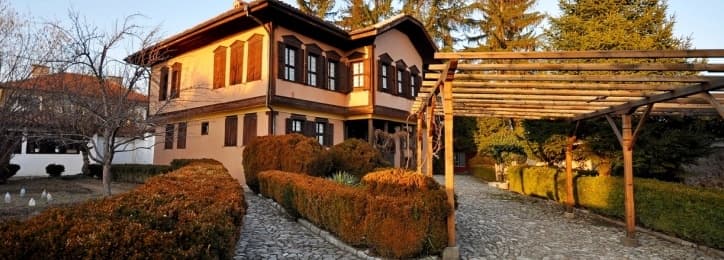
The Rayna Knyaginya House Museum in the town of Panagyurishte is the birthplace of one of the most dignified and inspiring women in Bulgarian history. Designated as a cultural monument of national significance, this ancient property is an integral part of the 100 National Tourist Sites of Bulgaria. The house preserves the memory of the April Uprising of 1876, standing as an ultimate symbol of the rebellious spirit of Panagyurishte. It attracts millions of visitors, consistently ranking among the most beloved and visited historical landmarks in the country. Architecture and Historical Milestones - Centuries-Old Structure: The house was constructed in the distant year of 1673, with the exact date authentically carved into a wooden beam above the main heavy gate. Architecturally, the building is a prime example of early asymmetrical National Revival houses, and its first registered owners were Taso and Miho. - The Birth of a Heroine: On January 18, 1856, Rayna Futekova was born in this house, later to be immortalized in national memory as Rayna Knyaginya (Rayna the Princess). - Evolution into a Museum: On May 3, 1950, the property officially opened its doors as a public museum. In 1992, the descendants of Rayna Knyaginya donated the estate to the Municipality of Panagyurishte. A major, comprehensive restoration of the entire historical complex was carried out between 1979 and 1981. Museum Exhibitions and National Relics - First Floor and Personal Belongings: In the past, this floor operated as a traditional artisan workshop. Today, the space is transformed into a modern documentary exhibition, which was fully updated in 2019. The halls display showcases filled with authentic personal belongings of Rayna and her family, detailing her dramatic life during the April Uprising. - Second Floor: This floor houses a rich ethnographic collection that recreates the traditional lifestyle, atmosphere, and interior design of a wealthy Panagyurishte home from the National Revival era. - The Main Insurgent Banner: The most precious relic within the museum is the only official replica of the Main Banner of the Panagyurishte insurgents. Since the original flag was burned during the suppression of the rebellion, this version, hand-sewn by Rayna Knyaginya herself in 1901 for the first official commemoration of the uprising, holds the status of an invaluable national treasure. Memorial Complex and Courtyard Monuments - The Monument of Rayna Knyaginya: A majestic marble statue of the heroine stands proudly in the beautifully landscaped courtyard of the museum. In 1976, to mark the 100th anniversary of the April Uprising, the earthly remains of Rayna Knyaginya were transferred here from Sofia and placed in a special reliquary beneath the monument. - Monument of Georgi Futekov: Located right next to Rayna's statue is the monument dedicated to her father, Georgi Futekov, who died heroically during the uprising, defending his family's honor and the freedom of his homeland.
Pazardzhik
0.3 km away

Pazardzhik
0.5 km away
Pazardzhik
0.8 km away
Pazardzhik
6.1 km away
Kashta-muzey "Rayna Knyaginya" is located in Pazardzhik, Bulgaria.
Kashta-muzey "Rayna Knyaginya" is most easily reached by car. Use the coordinates above to navigate, or open the location in OpenStreetMap or your preferred maps app for turn-by-turn directions. Public transport options vary by region — for remote destinations a rental car gives the most flexibility.
Kashta-muzey "Rayna Knyaginya" can be visited year-round. Verify current opening hours directly with the museum before your visit, as schedules change seasonally and on public holidays.
Opening hours and admission fees vary, and most Bulgarian museums close one day per week (commonly Monday). Verify current schedules and prices directly with the museum or the local tourist information office before visiting Kashta-muzey "Rayna Knyaginya", especially on public holidays.