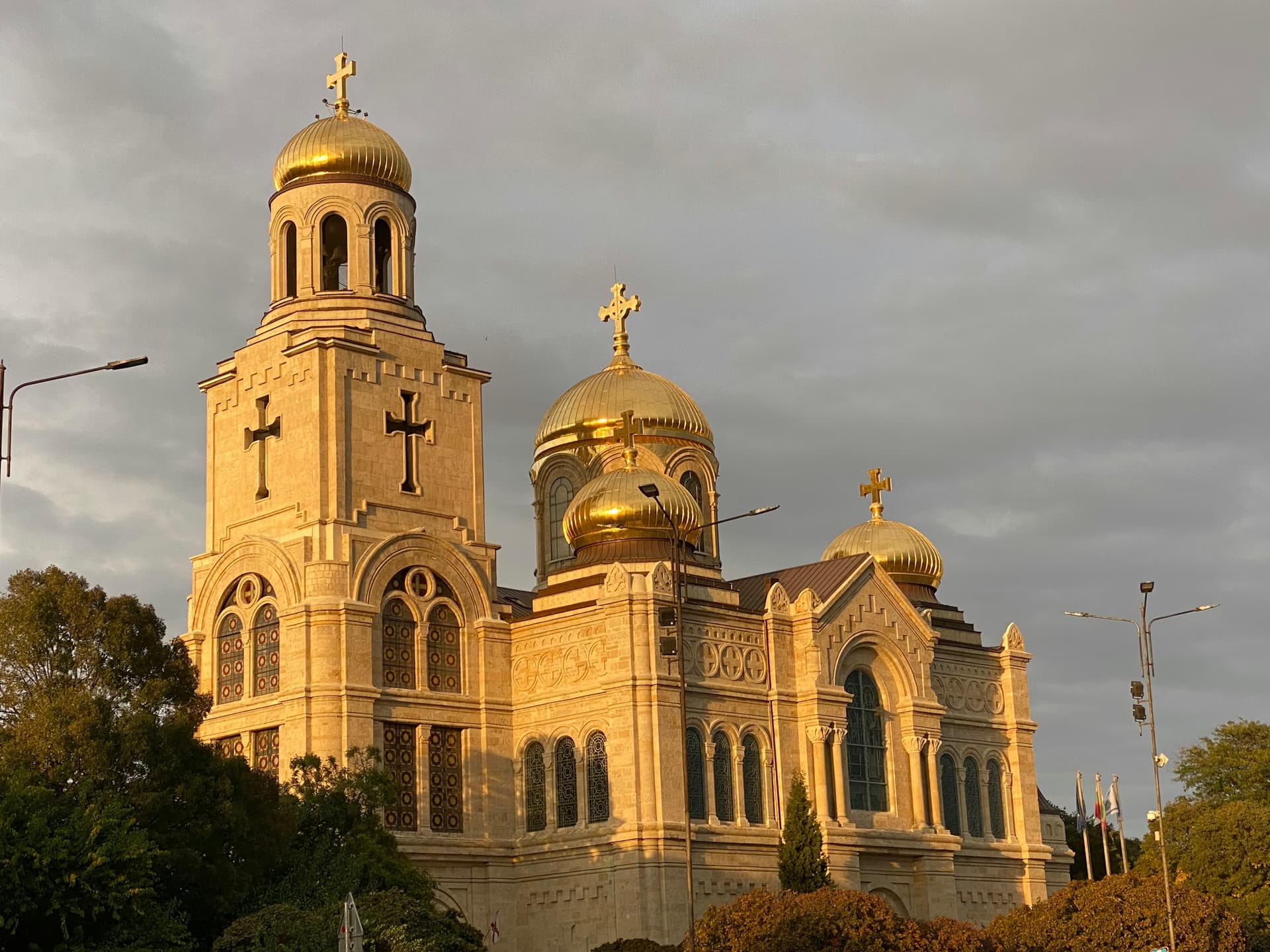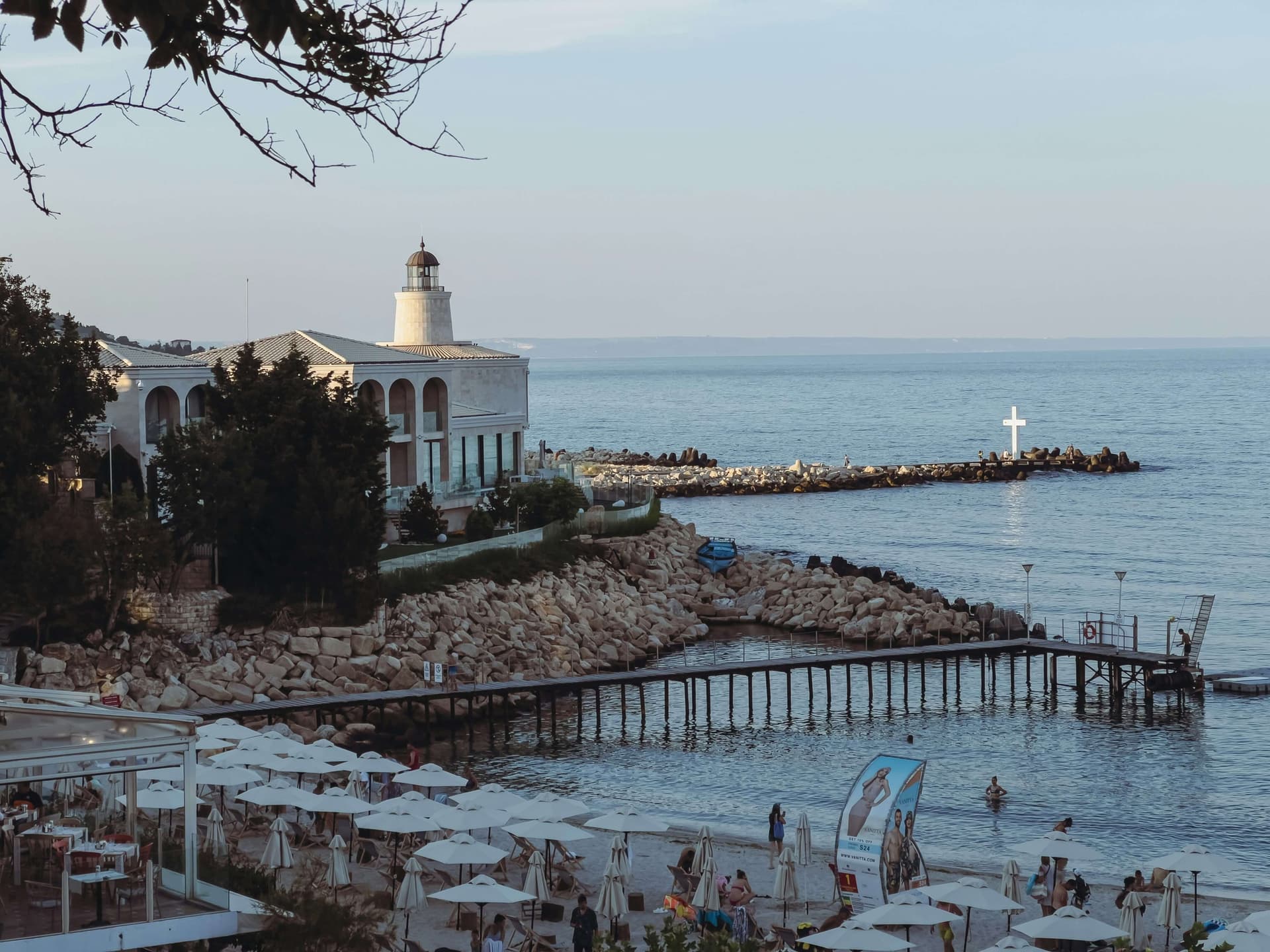
The resort complex of St. St. Constantine and Helena holds the prestigious title of being the very first and oldest marine resort along the Bulgarian Black Sea coast. Situated just 8 km northeast of downtown Varna, it is officially classified as a destination of national significance and stands as the fourth-largest beach resort in the country. The complex is nestled within a unique microclimate bounded by Cape St. George and Cape Kavaklar, where the breeze of ancient coastal woodlands blends with the blue horizon and thermal mineral springs.
Underwater Navigation Coordinates:
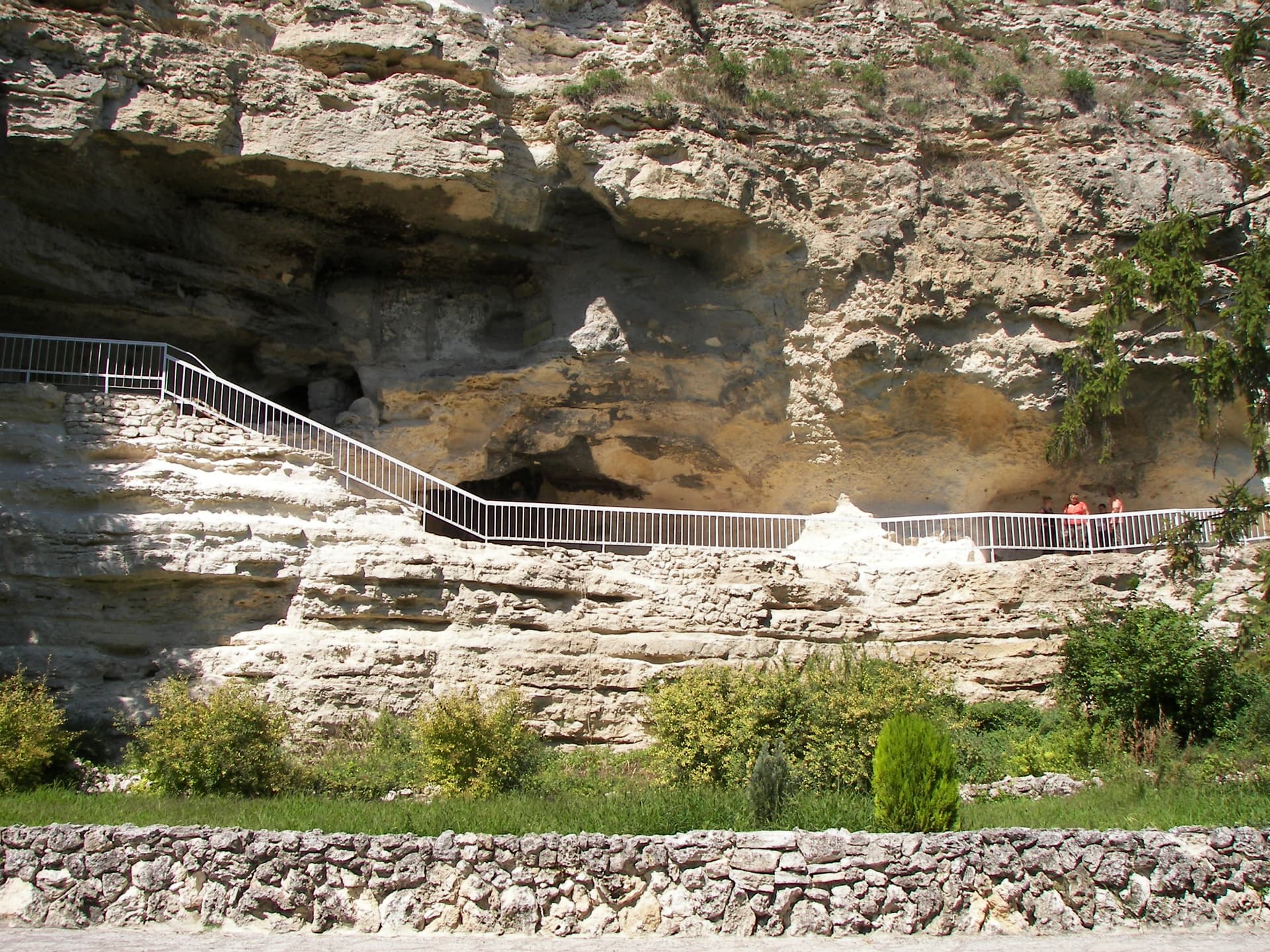
Varna region
5.0 km away
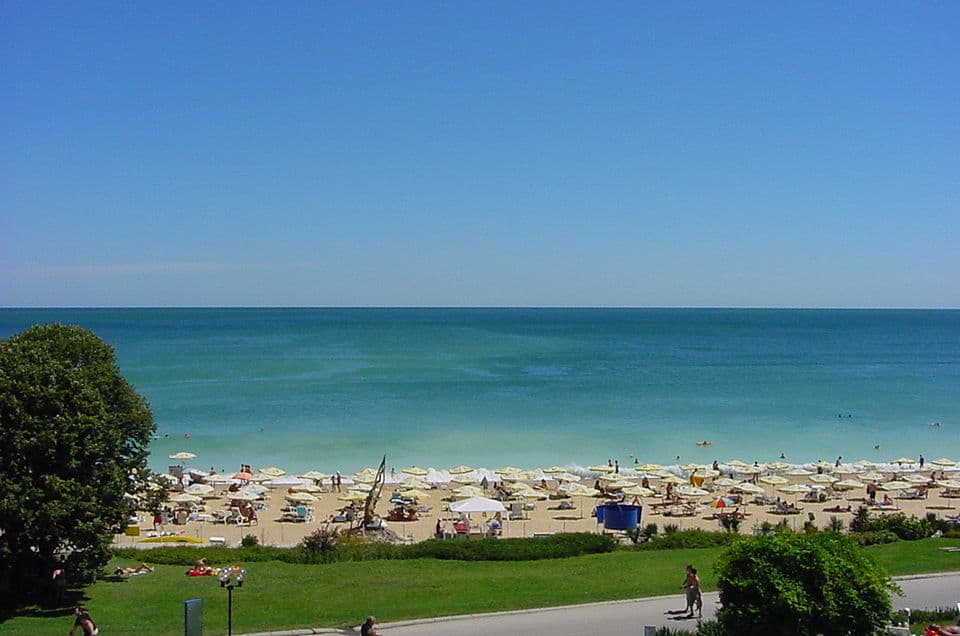
Varna region
6.4 km away
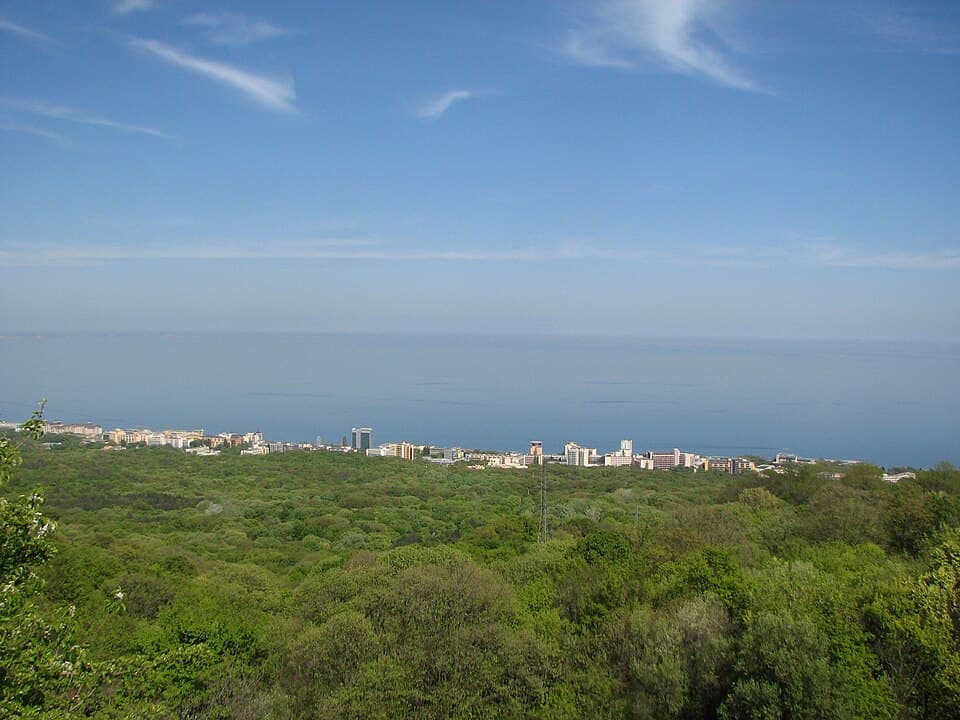
Varna region
7.9 km away
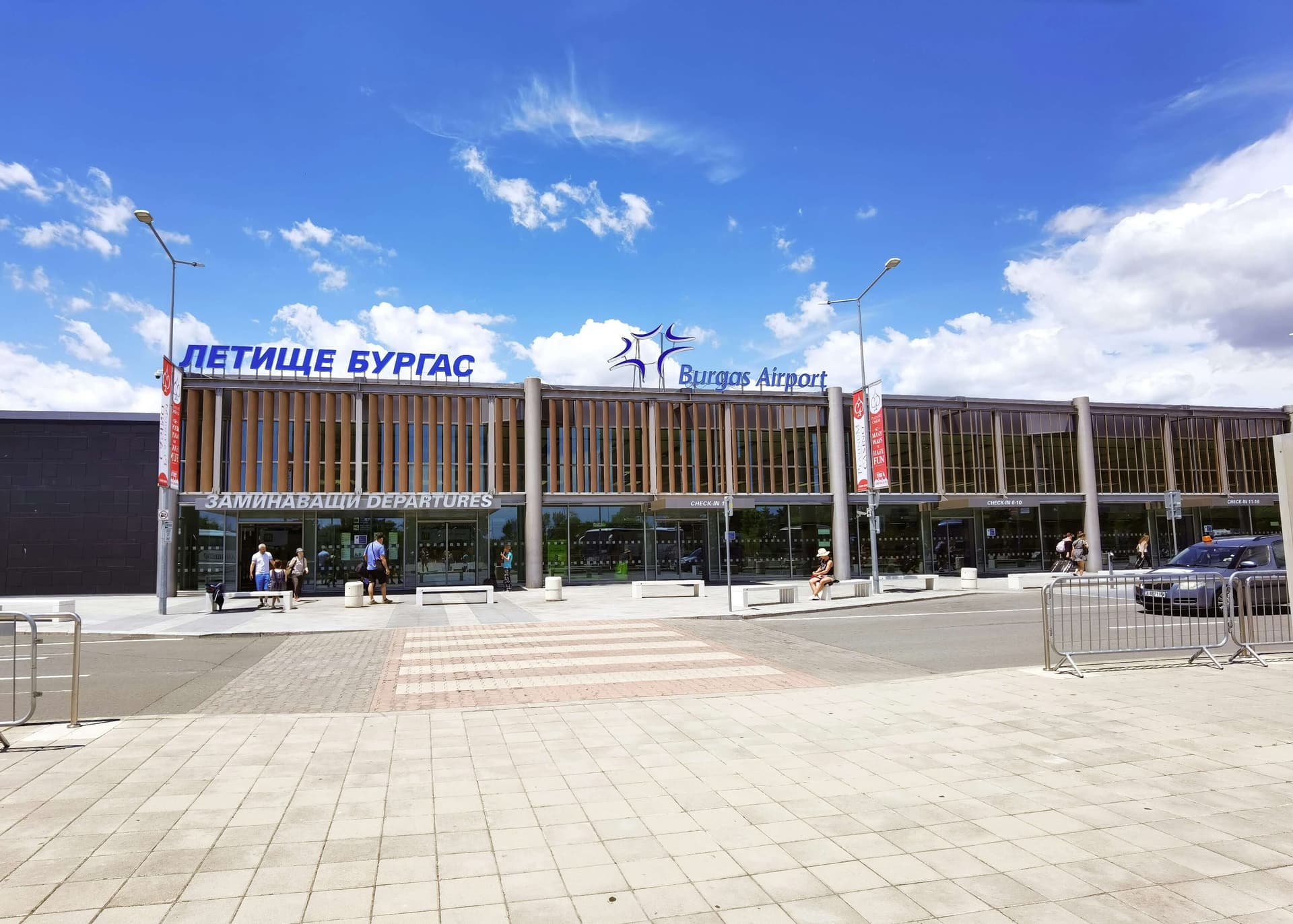
A complete guide to transfers from Burgas Airport (BOJ): Bus No. 15 to the city, direct Bus No. 10 to Sunny Beach and Nessebar, taxis, and fare details.
Bus 409 reaches central Varna in 20 minutes for about €1 and Golden Sands in 50. Zoned fares, the two operators to tell apart, and taxi costs.
Varna or Burgas? Compare the beaches, family travel, sightseeing and parking in our guide to Bulgaria's two main Black Sea cities.
Sts. Constantine and Helena is located in Varna, Bulgaria.
Sts. Constantine and Helena is most easily reached by car. Use the coordinates above to navigate, or open the location in OpenStreetMap or your preferred maps app for turn-by-turn directions. Public transport options vary by region — for remote destinations a rental car gives the most flexibility.
Sts. Constantine and Helena can be visited year-round, but late spring (May–June) and early autumn (September–October) offer the most pleasant weather and fewer tourists. Summer is the busiest season; winter is the quietest, with shorter daylight and possible cold weather.
Bulgarian settlements typically reward unhurried walking — historic centres, churches and monasteries, local markets, and family-run restaurants serving regional dishes. Larger towns often have museums and seasonal cultural events. The local tourist information centre is a good first stop for current opening hours and what's on.