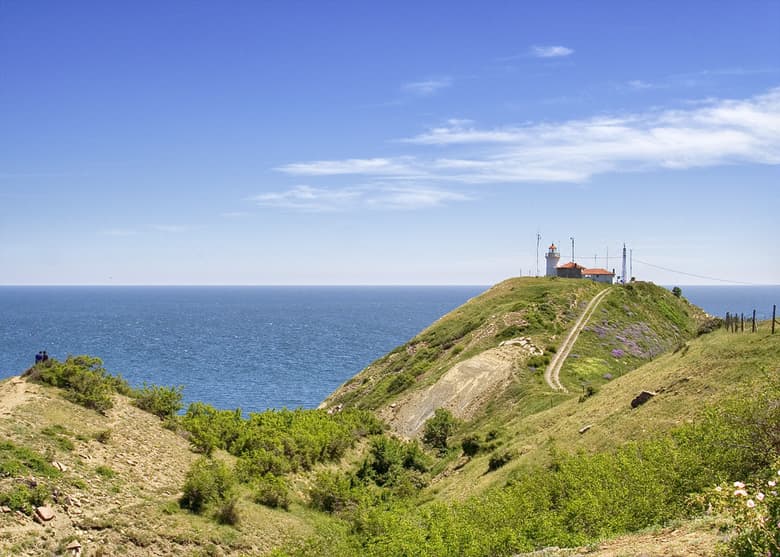
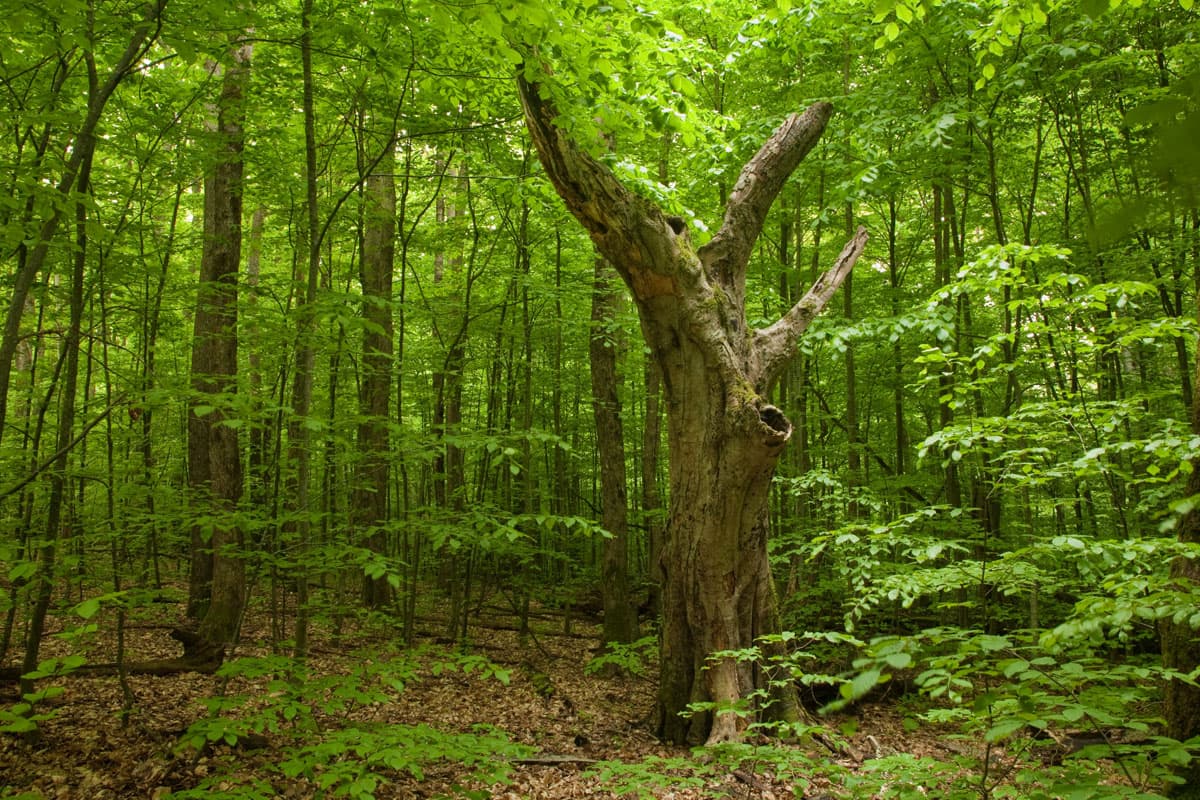
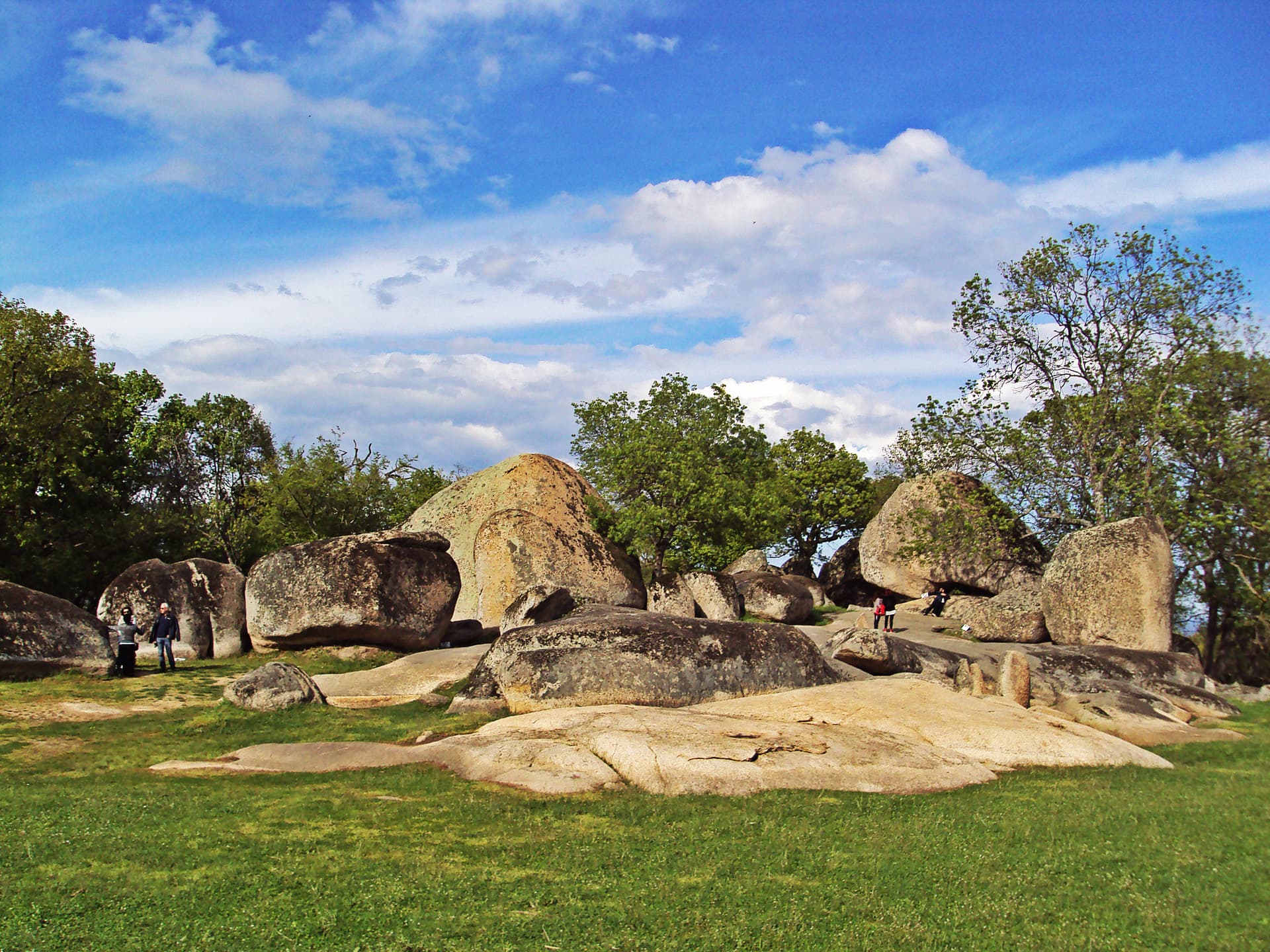
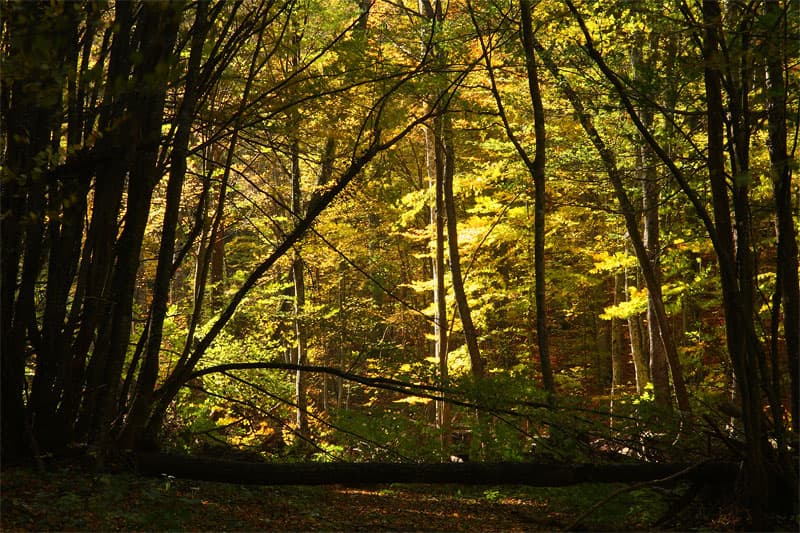
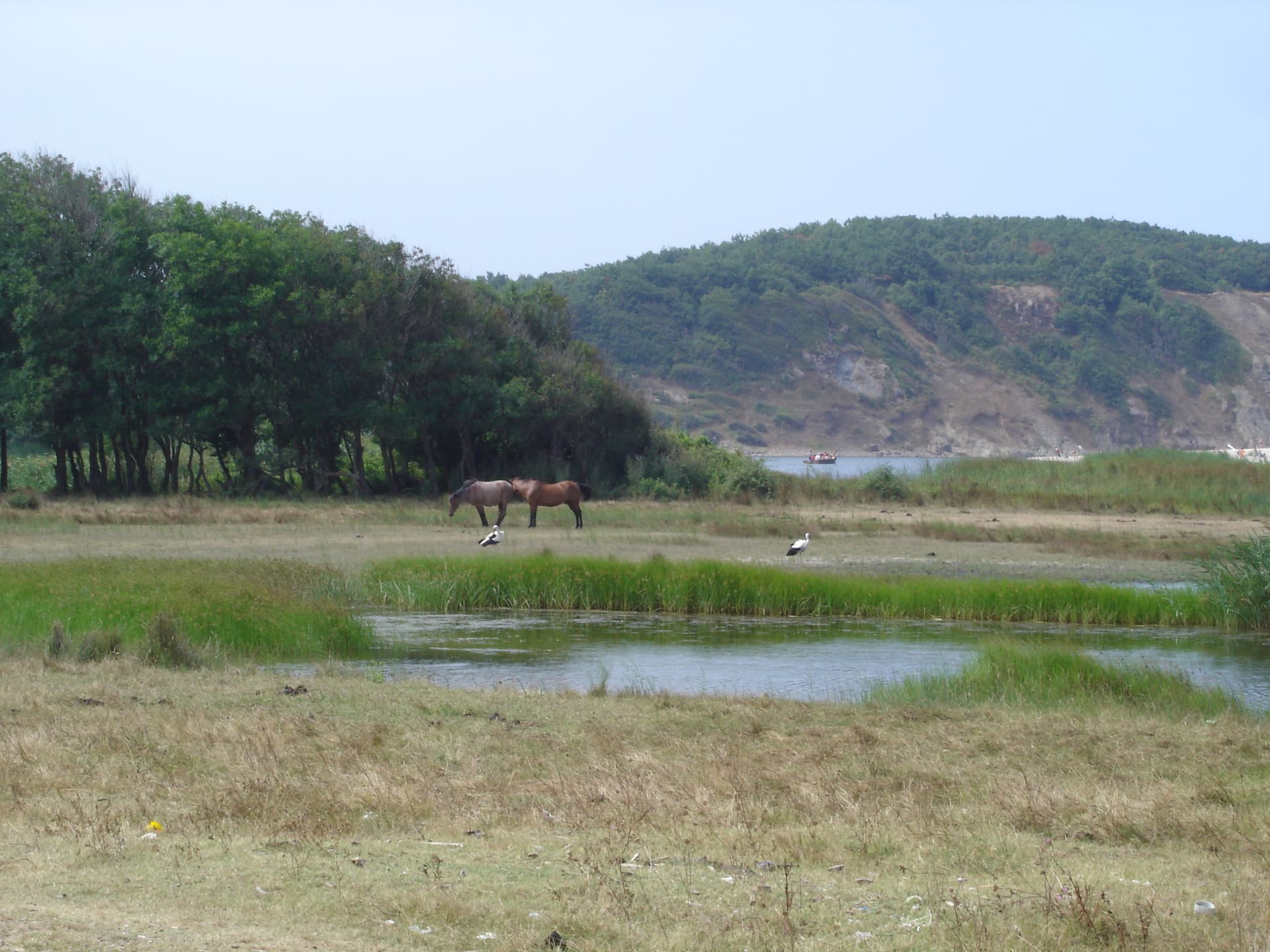
Tisovitsa is one of the most strictly protected biosphere zones tucked deep within the boundary of the Strandja Nature Park. Officially designated as a reserve in 1990 and expanding across 749.3 hectares, its primary function is the absolute preservation of primeval European forest ecosystems. It protects the delicate habitats of rare, endangered, and Tertiary relict plant and animal species that cannot be found anywhere else on the continent.
The reserve is located in Southeastern Bulgaria, within the Tsarevo Municipality (Burgas District). It is positioned close to the historic village of Balgari, famous for preserving the ancient fire-walking ritual of Nestinarstvo. Due to its status as a strict reserve, human interference is entirely banned, and foot access is restricted exclusively to specifically designated educational eco-trails.
The forests of Tisovitsa are predominantly ancient deciduous woodlands, presenting a unique and balanced layout of native tree species:
Beneath the dense canopy lies a rich undergrowth composed of ancient evergreen shrubs that survived the last ice ages. Some of the most notable and highly protected botanical treasures inside the reserve include:

Burgas region
5.6 km away
Burgas region
7.5 km away
Burgas region
9.7 km away
Tisovitsa Reserve is located in Burgas, Bulgaria.
Tisovitsa Reserve is most easily reached by car. Use the coordinates above to navigate, or open the location in OpenStreetMap or your preferred maps app for turn-by-turn directions. Public transport options vary by region — for remote destinations a rental car gives the most flexibility.
Tisovitsa Reserve is best walked from May through October, when the trail is clear of snow and weather is generally stable. Summer middays can be hot at lower altitudes — start early. Winter walking requires proper gear and route knowledge.
Suitability depends on the specific route. Bulgarian trails range from paved family-friendly paths to multi-day high-mountain crossings. Check the length, elevation gain, and surface before setting off. Sturdy footwear, water, and a basic map (offline or paper) are essential even on short walks.