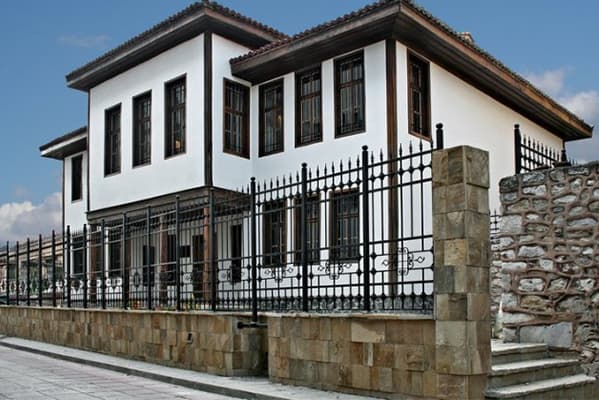
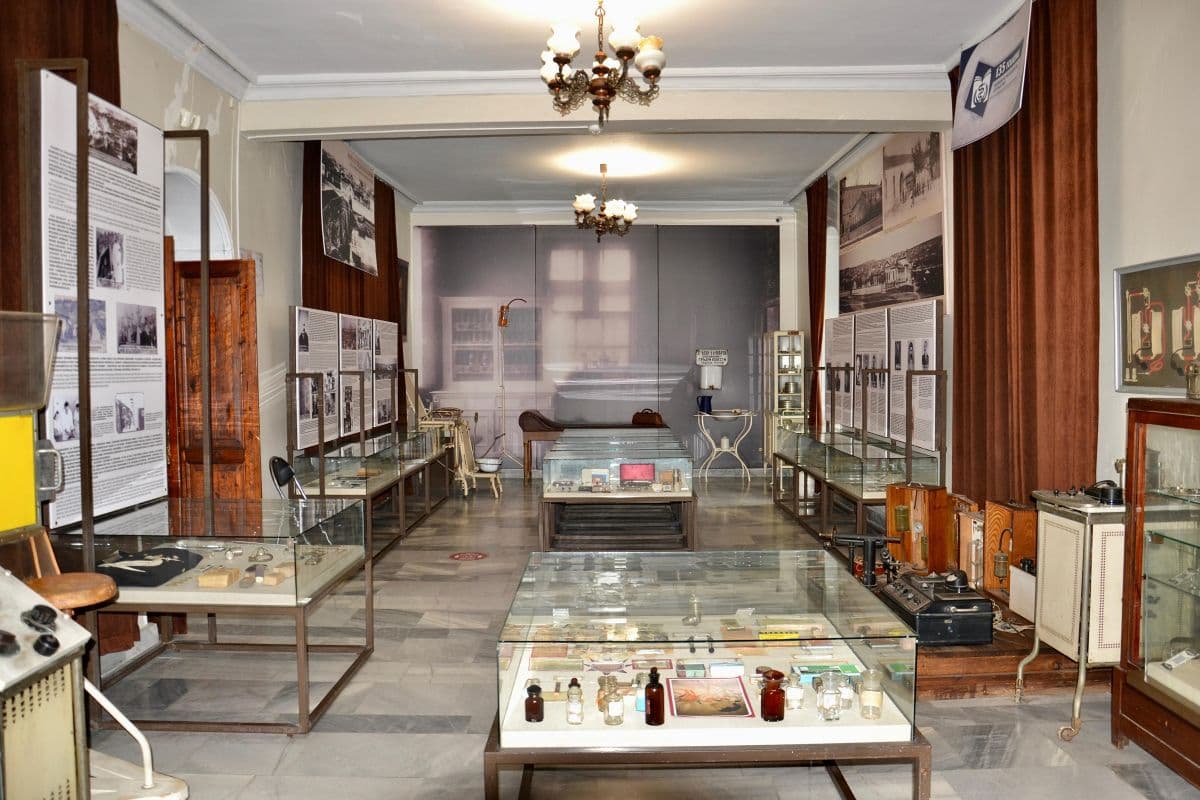
The Museum of Mosaics in Devnya is built over part of the foundations of an ancient town house with mosaics (villa urbana) from the late 3rd – early 4th century, the time of Constantine the Great. Devnya stands on the site of ancient Marcianopolis. The museum is No. 10 among the 100 National Tourist Sites.
Five of the rooms and the portico are covered with polychrome floor mosaics — among the finest examples of Roman mosaic art of the period found in Bulgaria.
The house occupies a whole block (insula), about 37 by 37 m. Its plan follows the Greco-Roman atrium-and-peristyle house: around a stone-paved inner courtyard with a well in the middle and a colonnade on three sides are 21 living, service and storage rooms with a total area of 1,402 m². The walls were covered with coloured plaster, murals and stucco.
The house was built on the site of earlier buildings destroyed in the Gothic invasions of 250–251. With repairs and alterations it stood until the early 7th century. The museum was designed by the architect Kamen Goranov and officially opened in 1986.
Check the opening hours before you go.
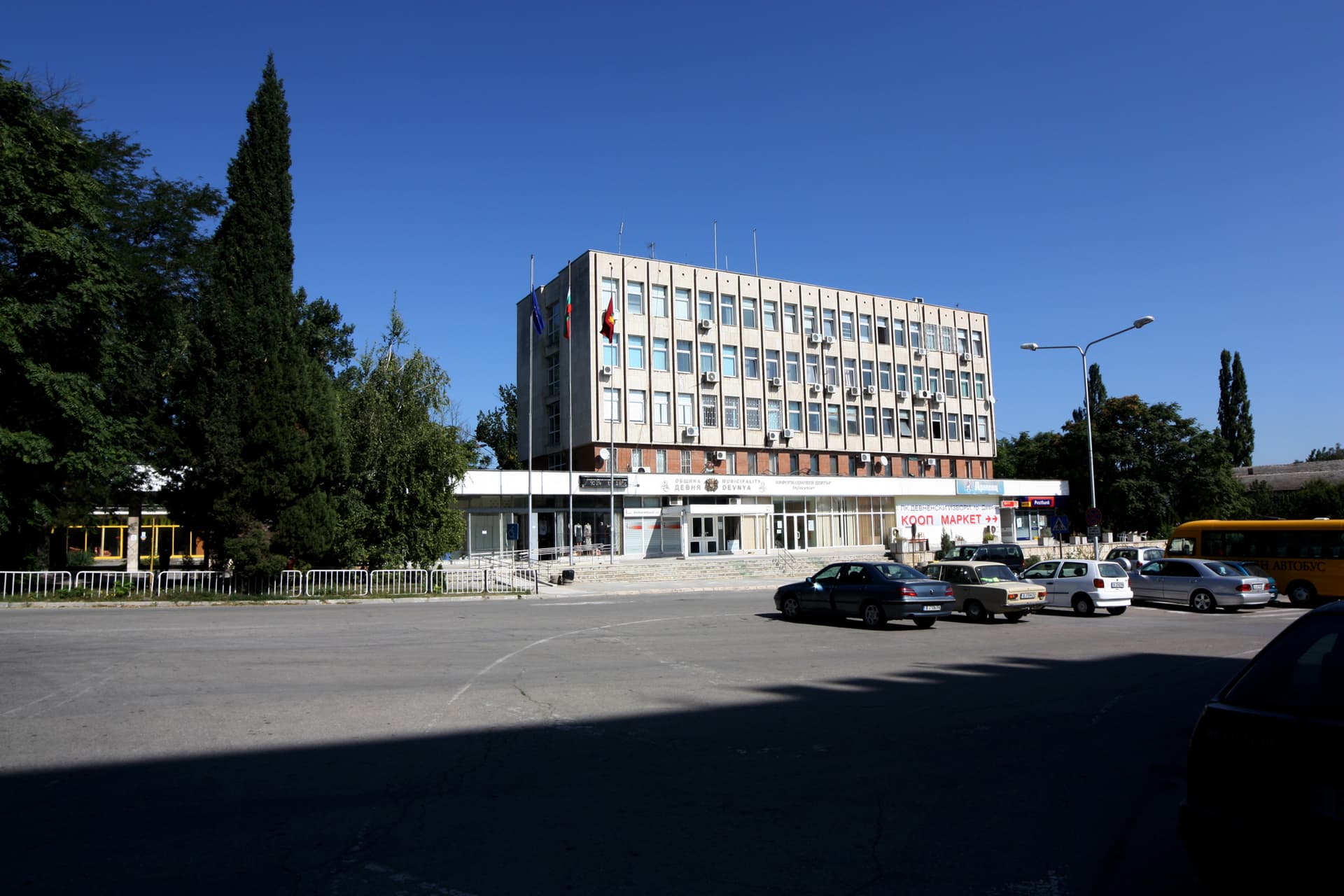
Varna region
2.4 km away
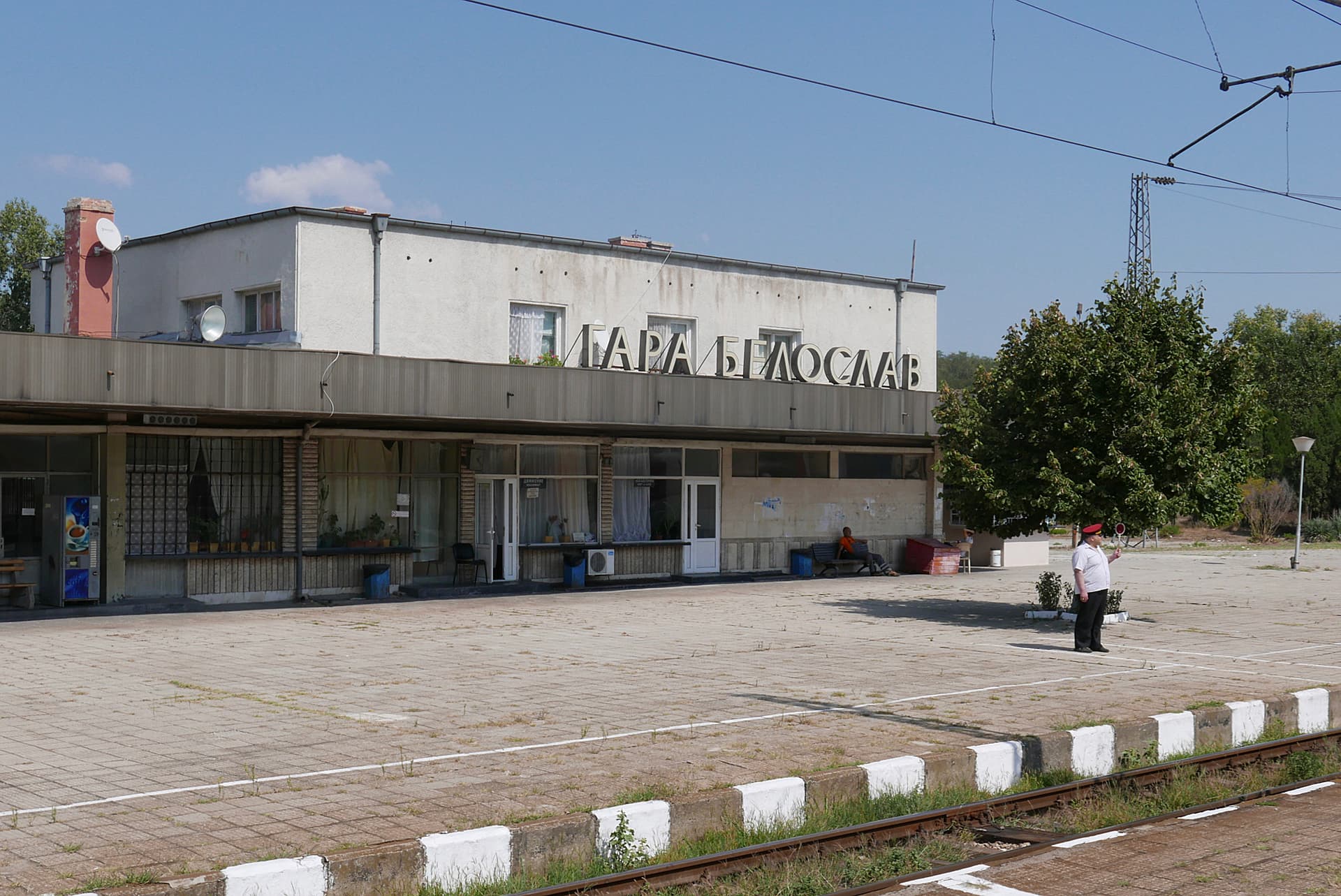
Varna region
10.5 km away

Varna region
11.0 km away
Museum of Mosaics (Devnya) is located in Varna, Bulgaria.
Museum of Mosaics (Devnya) is most easily reached by car. Use the coordinates above to navigate, or open the location in OpenStreetMap or your preferred maps app for turn-by-turn directions. Public transport options vary by region — for remote destinations a rental car gives the most flexibility.
Museum of Mosaics (Devnya) can be visited year-round. Verify current opening hours directly with the museum before your visit, as schedules change seasonally and on public holidays.
Opening hours and admission fees vary, and most Bulgarian museums close one day per week (commonly Monday). Verify current schedules and prices directly with the museum or the local tourist information office before visiting Museum of Mosaics (Devnya), especially on public holidays.